B9 Folate: The Pregnancy MVP
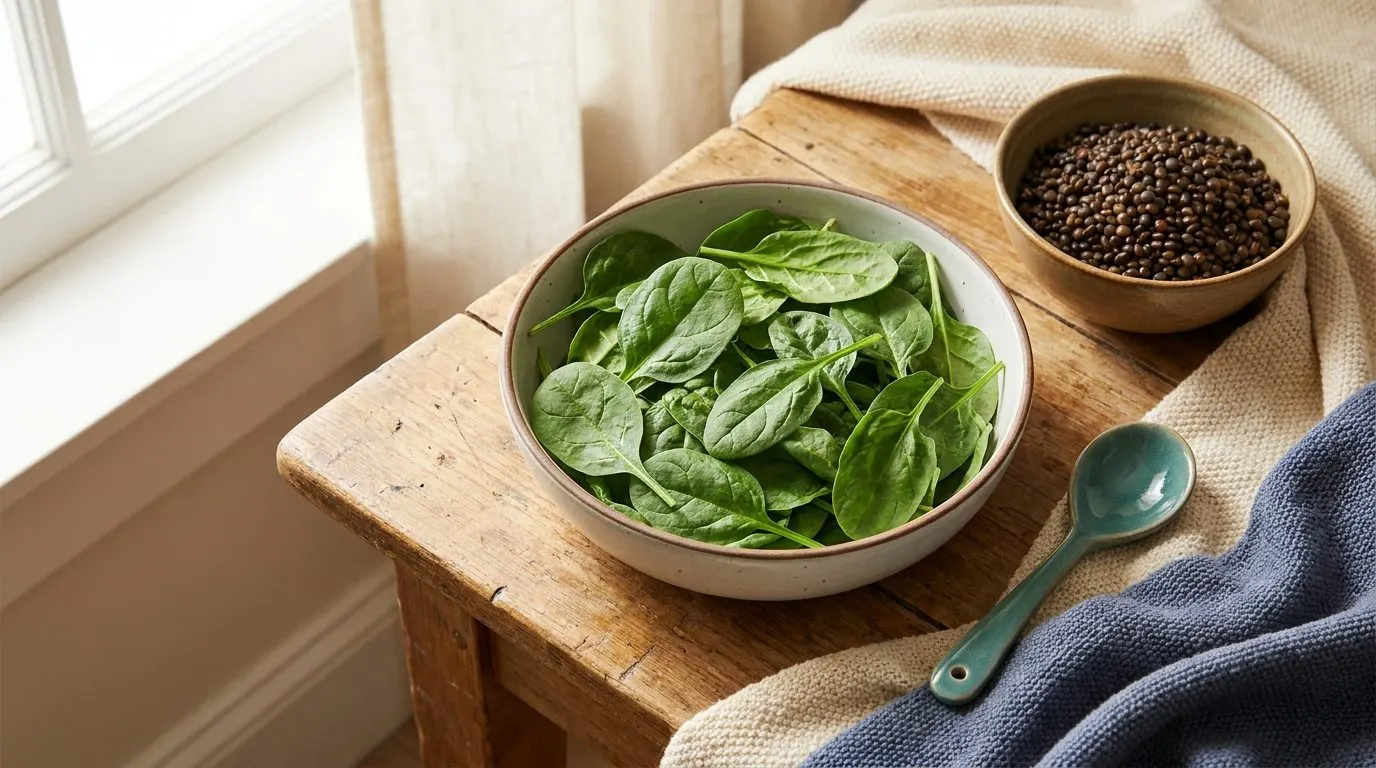
Folate — vitamin B9 — punches far above its weight. Its job is helping your body build and repair DNA and make new cells, which matters most exactly when your body is building a lot of new cells very fast. Like, say, growing a baby.
That’s why folate is the one vitamin with a genuinely famous public-health story.
Why pregnancy is the headline
In the earliest weeks of pregnancy — often before someone even knows they’re pregnant — the baby’s spine and brain are forming. That process needs folate. Fall short at that exact window and the risk of serious birth defects of the brain and spine goes up.
This is why the standard advice exists, and it answers the most common question directly: anyone who could become pregnant is encouraged to get enough folate before and during early pregnancy, often through a supplement, precisely because the critical window comes so early. It’s one of the few cases where supplementing isn’t hype — it’s prevention with a track record.
Why it’s in everything
Here’s the part that surprises people. Look at a box of cereal, bread, or pasta and you’ll often see folic acid (the manufactured form of folate) added. That’s not random.
Many countries decided this issue was important enough to add folic acid to staple grain foods on purpose, so the whole population — including people not planning a pregnancy — gets a baseline amount. After that change, rates of those spine-and-brain birth defects dropped. It’s quietly one of the bigger nutrition wins of the last few decades, hiding in your bread.
So you’re getting folate from two directions: fortified foods and naturally folate-rich ones.
- Leafy greens (the name “folate” even shares a root with “foliage”)
- Beans and lentils
- Asparagus and broccoli
- Citrus fruits
For most people, between fortified grains and a few of these foods, you’re well covered. The big, specific exception is the pregnancy window — and that’s a conversation worth having with a doctor early, not late.
The takeaway: folate builds DNA and is the rare vitamin genuinely worth supplementing before and during early pregnancy — and it’s added to your grains for exactly that reason.
Next lesson: B12, the nerve-and-blood vitamin found only in animal foods — the most legitimately useful supplement of the entire B family.
BTZ Academy lessons are educational, not medical advice. Talk to your physician before changing medication, supplements, or training.