
Men's Health · 4 min
Boost Testosterone Naturally: What Actually Works
Most testosterone boosters don't work. What actually raises testosterone — sleep, lifting, losing fat — and when to get your labs done.
Read article →20 years in metabolism science, translated into the kind of writing you can read at the kitchen table. No hype, no hacks, no influencer math. Just what the literature says — and what it doesn't.
Most testosterone boosters don't work. What actually raises testosterone — sleep, lifting, losing fat — and when to get your labs done.
Read article →
TRT searches surged after the FDA loosened restrictions. Who truly benefits, how it changes body composition, and who's being oversold.
Read article →
Cortisol belly is viral, but true cortisol disorders are rare. What stress really does to fat storage and what a 30-day reset can't fix.
Read article →
Research shows metabolism holds steady from age 20 to 60. What actually changes after 40 — muscle and movement — and how to fight back.
Read article →
The dad bod is a hormone loop: belly fat lowers testosterone, which costs muscle. The training and diet plan that breaks it after 40.
Read article →
HRT isn't a weight loss drug, but it can change where fat goes and make training possible again. What the evidence shows in menopause.
Read article →
In a calorie deficit but the scale won't move? The real causes — tracking drift, water, adaptation — and a 4-week audit to find yours.
Read article →
Menopause belly fat is hormonal redistribution, not failed willpower. What protein, strength training and a smart deficit can change.
Read article →
Weight gain in your 40s often starts with perimenopause. The muscle, sleep and hormone shifts behind it — and the earliest moves to make.
Read article →
Food noise — constant intrusive thoughts about eating — is biology, not weakness. Why GLP-1s silence it and what else turns it down.
Read article →
Exercise snacks — minute-long movement bursts — are linked to real health benefits. What they can and can't replace in your training week.
Read article →
NEAT — the calories you burn outside workouts — can differ by 2,000 a day and quietly drops when you diet. How to defend yours daily.
Read article →
Hit a plateau on Ozempic? Why GLP-1 weight loss stalls, and the protein, steps and strength audit to run before changing your dose.
Read article →
Pilates is great — but it isn't strength training. What each one does for muscle, bone and fat loss, and why the right answer is both.
Read article →
Sleepmaxxing is trending, and the fat-loss link is real: short sleep raises hunger and costs muscle. The sleep basics that matter most.
Read article →
The Wegovy pill and new oral GLP-1s change access, not biology. How pills compare to injections and why muscle-first rules still apply.
Read article →
Do artificial sweeteners stall fat loss or harm your gut? What controlled trials show about diet soda while you're losing weight.
Read article →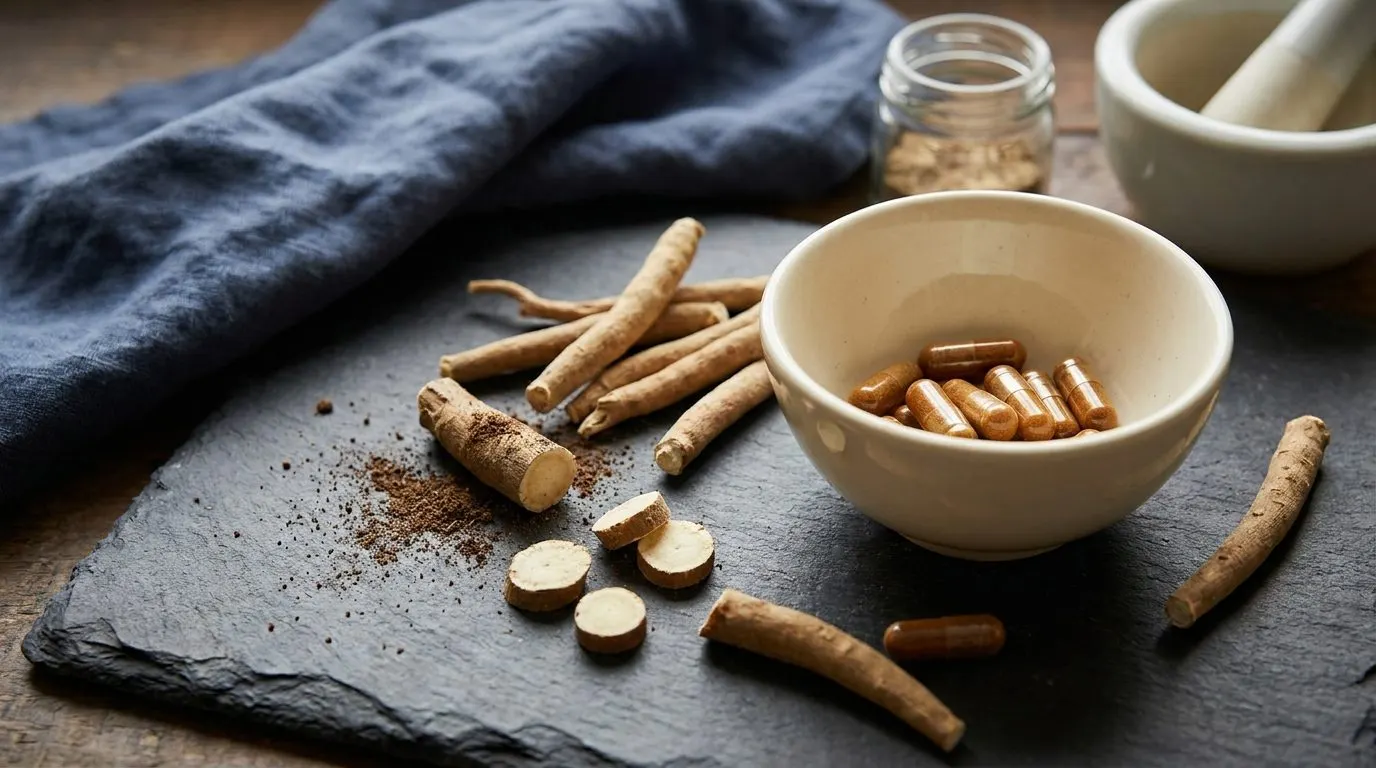
Ashwagandha lowers cortisol in studies but may not change how stressed you feel. What the 2025 evidence means before you buy a bottle.
Read article →
Morning or evening workouts? The performance differences are tiny — adherence isn't. How to pick the training time you'll actually keep.
Read article →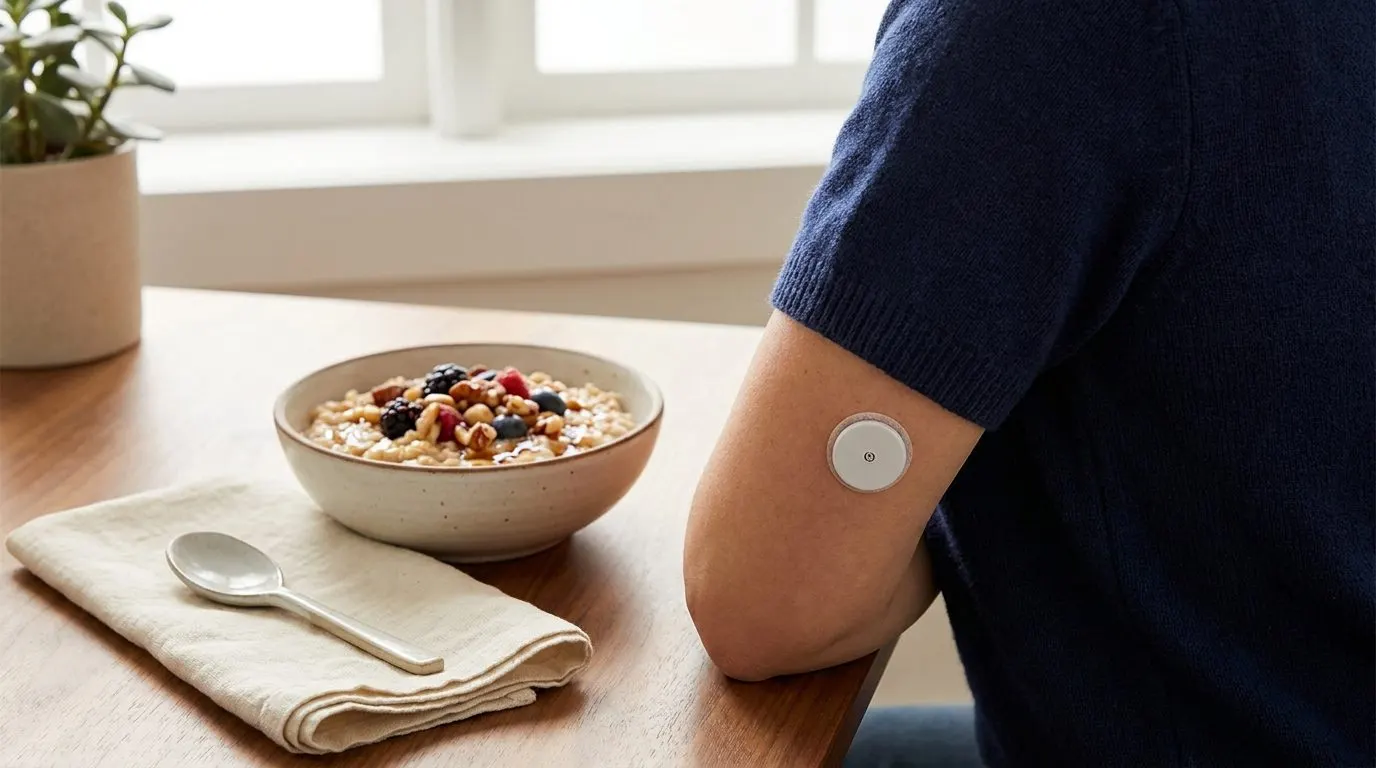
Wearing a glucose monitor without diabetes? What spikes mean in healthy people, and when CGM data helps versus feeds food anxiety.
Read article →
Intermittent fasting still tops diet searches, but new trials show no metabolic magic without a calorie deficit. Who it actually suits.
Read article →
Electrolyte powders are everywhere, but most people don't need them. Who genuinely benefits, and when sodium-heavy mixes can backfire.
Read article →
Crunches won't burn belly fat. What spot reduction research shows, and the training and diet approach that actually shrinks your waist.
Read article →
Up to a third of GLP-1 users report microdosing, with zero trials behind it. What's reasonable, what's risky and what to ask your doctor.
Read article →
Most metabolism boosters are noise. The few things that genuinely raise your calorie burn — muscle, movement, protein — ranked by impact.
Read article →
Most people regain weight after stopping Ozempic. How to come off a GLP-1 — or stay on it — without losing the body you worked to build.
Read article →
10,000 steps started as marketing, not science. What step counts actually do for fat loss and health — and the number that matters most.
Read article →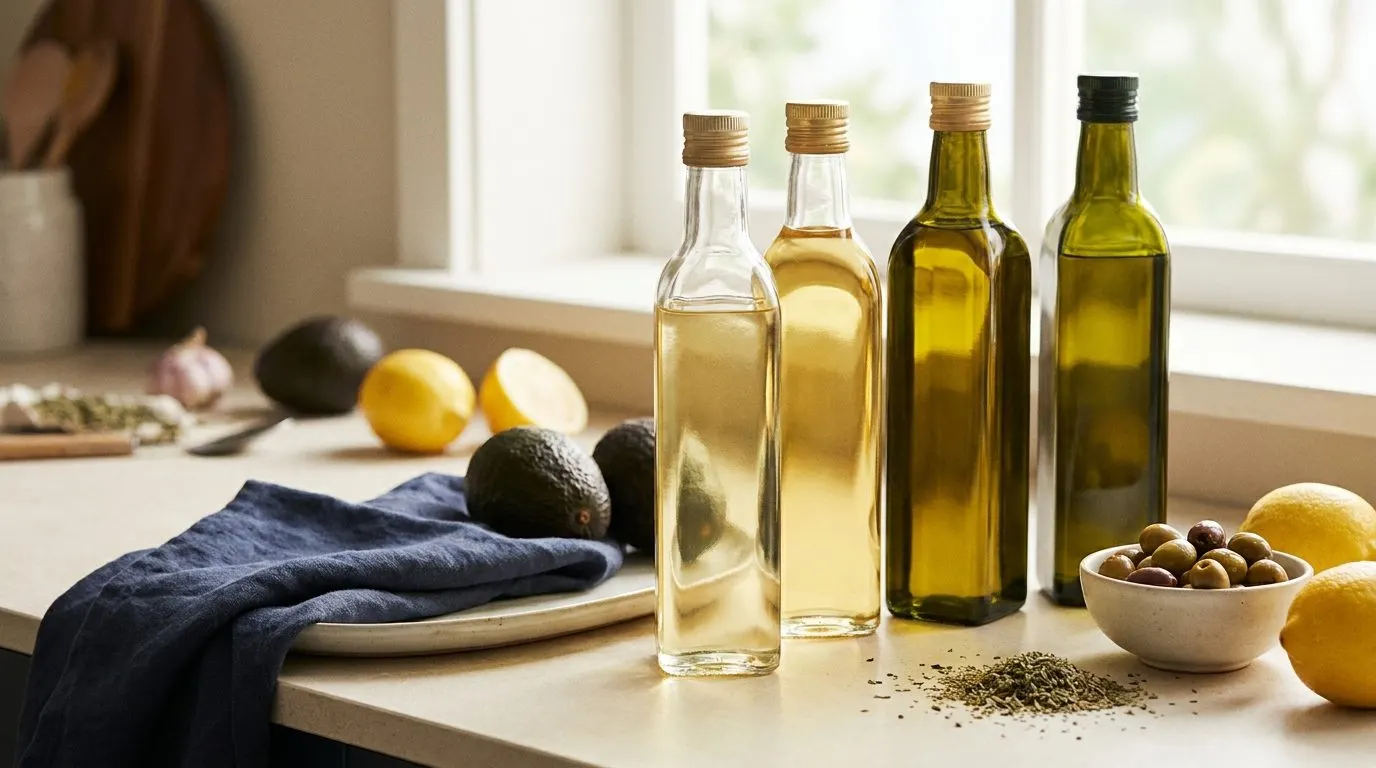
Seed oils are blamed for everything online. What randomized trials actually show, and why ultra-processed food is the real problem.
Read article →
Collagen improves skin and joints modestly, but it won't build muscle. What collagen peptides can and can't do, according to the evidence.
Read article →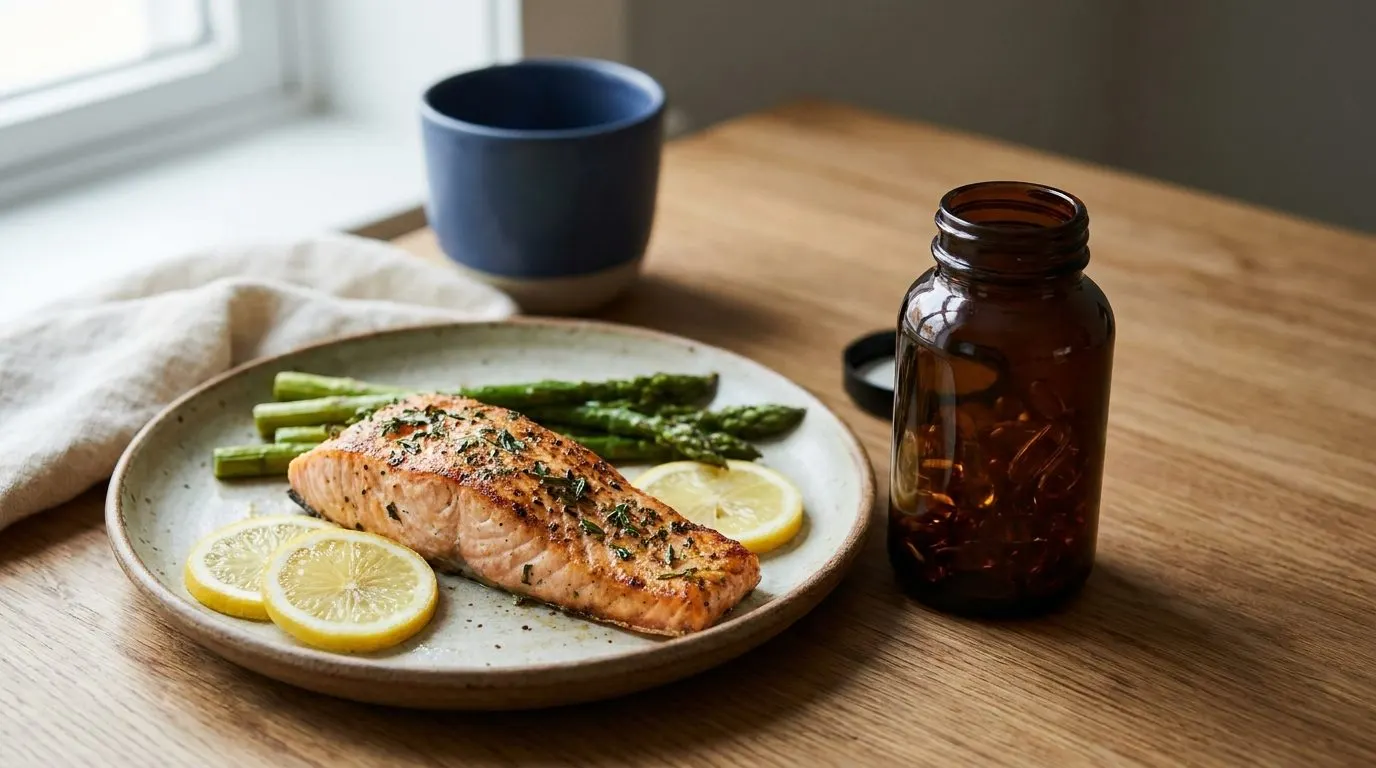
Do you need fish oil pills or just two servings of fish a week? The omega-3 evidence on heart health, triglycerides and the AFib question.
Read article →
Two, three or five days of lifting? What the research says about training frequency for muscle and fat loss in busy adults over 30.
Read article →
Ozempic face comes from fast fat and muscle loss, not the drug itself. How to slow your loss rate and protect lean mass — face included.
Read article →
Up to 40% of weight lost on GLP-1s can be muscle. The protein and strength training plan that protects lean mass on Ozempic or Zepbound.
Read article →
Ultra-processed foods make up half our calories and quietly drive overeating. What the trials show and a realistic way to cut back now.
Read article →
Berberine is called nature's Ozempic on TikTok. Here's how its modest effects really compare to GLP-1 drugs, and when it makes sense.
Read article →
Cottage cheese became 2025's viral protein food. A metabolic scientist on why it earns the hype and how to use it for fat loss goals.
Read article →
Fibermaxxing went viral for good reason — most adults eat half the fiber they need. How much is enough, and how to ramp up without misery.
Read article →
Weighted vest walking is booming, especially among women over 40. The real benefits for bones and calories, and how to start it safely.
Read article →
Whey or plant protein powder? What matters for muscle and fat loss: leucine, dose and quality, not the marketing claims on the tub.
Read article →
Zone 2 cardio burns more fat during exercise — but does that mean more fat loss? What zone 2 is genuinely good for, and what it isn't.
Read article →
A 30g protein breakfast curbs cravings and protects muscle during fat loss. The science behind the trend, plus easy ways to build one.
Read article →
Creatine gummies are up 1,300% in searches. A PhD compares gummies vs monohydrate powder on dosing accuracy, cost and actual evidence.
Read article →
Does eating late at night make you gain fat? Why total intake beats the clock, and the few places where meal timing genuinely matters.
Read article →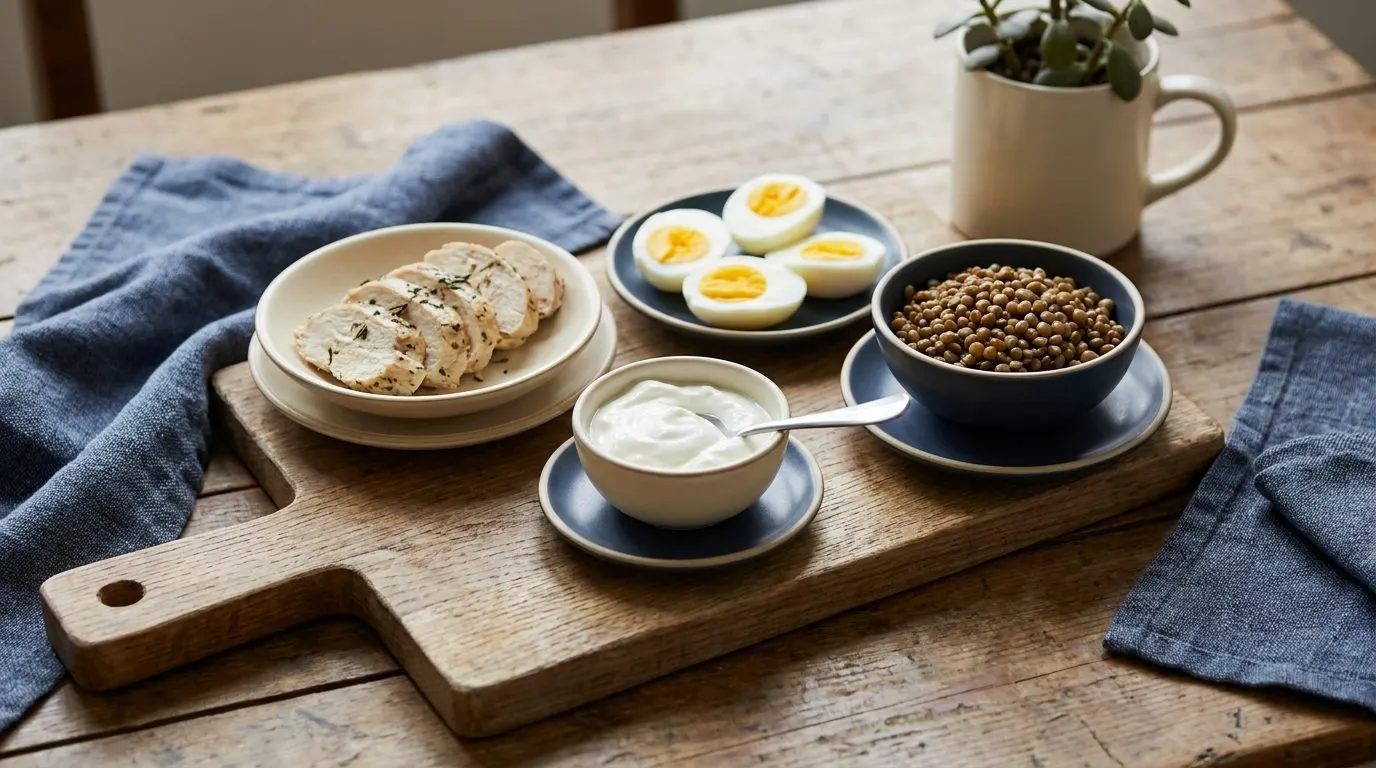
How much protein per day? Why 0.8 g/kg is a floor, what 1.6-2.2 g/kg does for fat loss and muscle, and how to hit it without obsessing.
Read article →
Japanese walking grew nearly 3,000% in searches. The interval walking science behind the trend and how to use it for fat loss after 40.
Read article →
Magnesium glycinate vs citrate: which form helps sleep, which helps digestion, and who actually needs a magnesium supplement at all.
Read article →
Bovine colostrum is one of 2026's hottest supplements. The adult evidence is thin — here's what it shows and where your money goes further.
Read article →
Will creatine make women bulky or bloated? A PhD reviews what creatine actually does for muscle, metabolism and brain health in women.
Read article →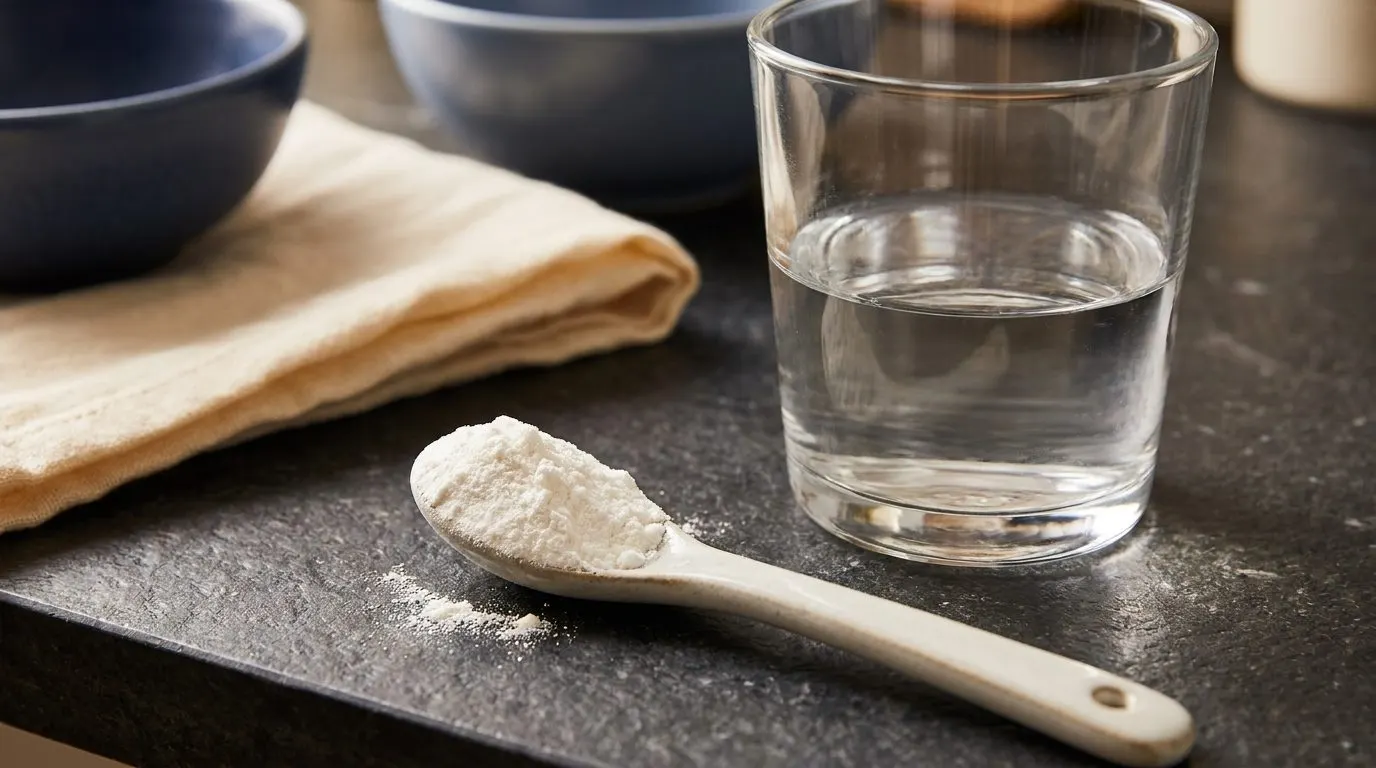
Does creatine cause hair loss or kidney damage? What decades of research actually show about creatine side effects, and who should take it.
Read article →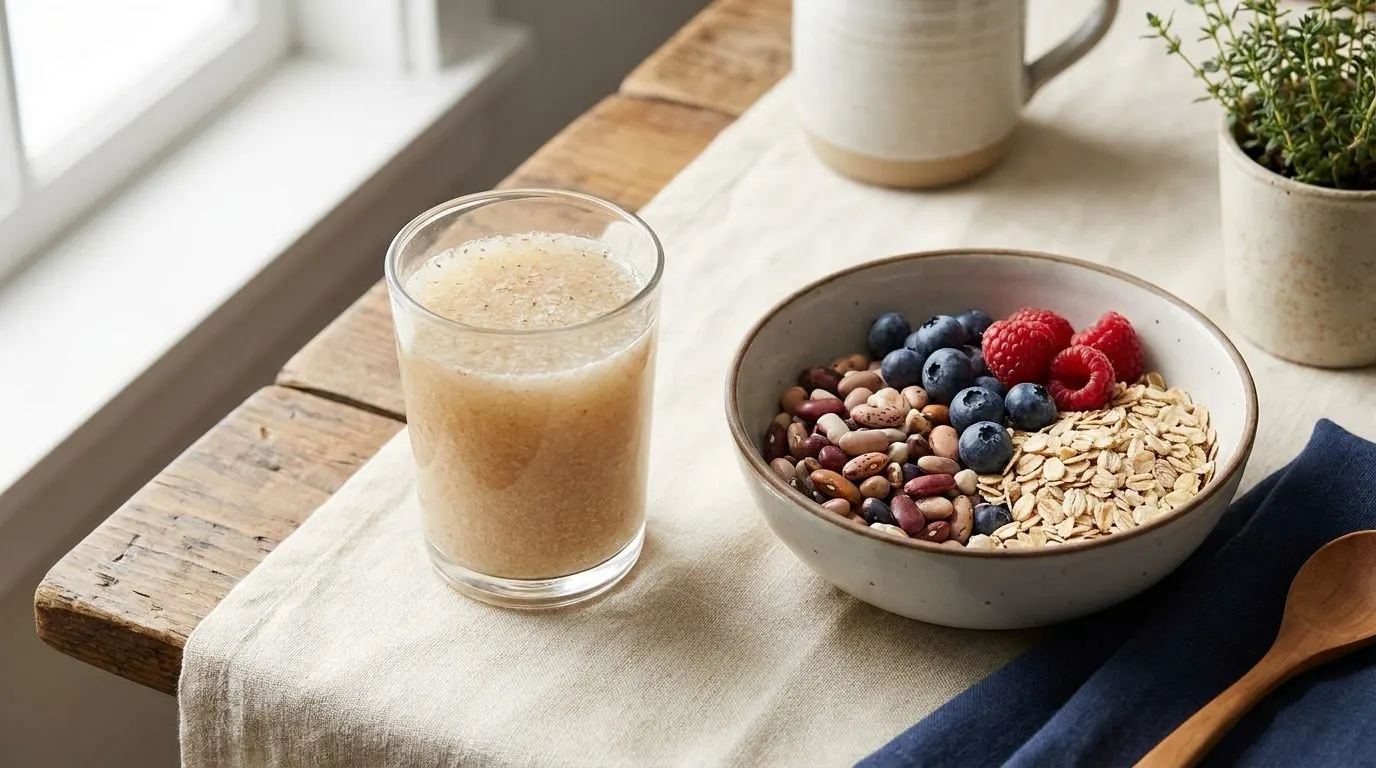
Fibermaxxing is trending, and fiber is genuinely underrated. When psyllium helps, when food wins, and how to add fiber without GI chaos.
Read article →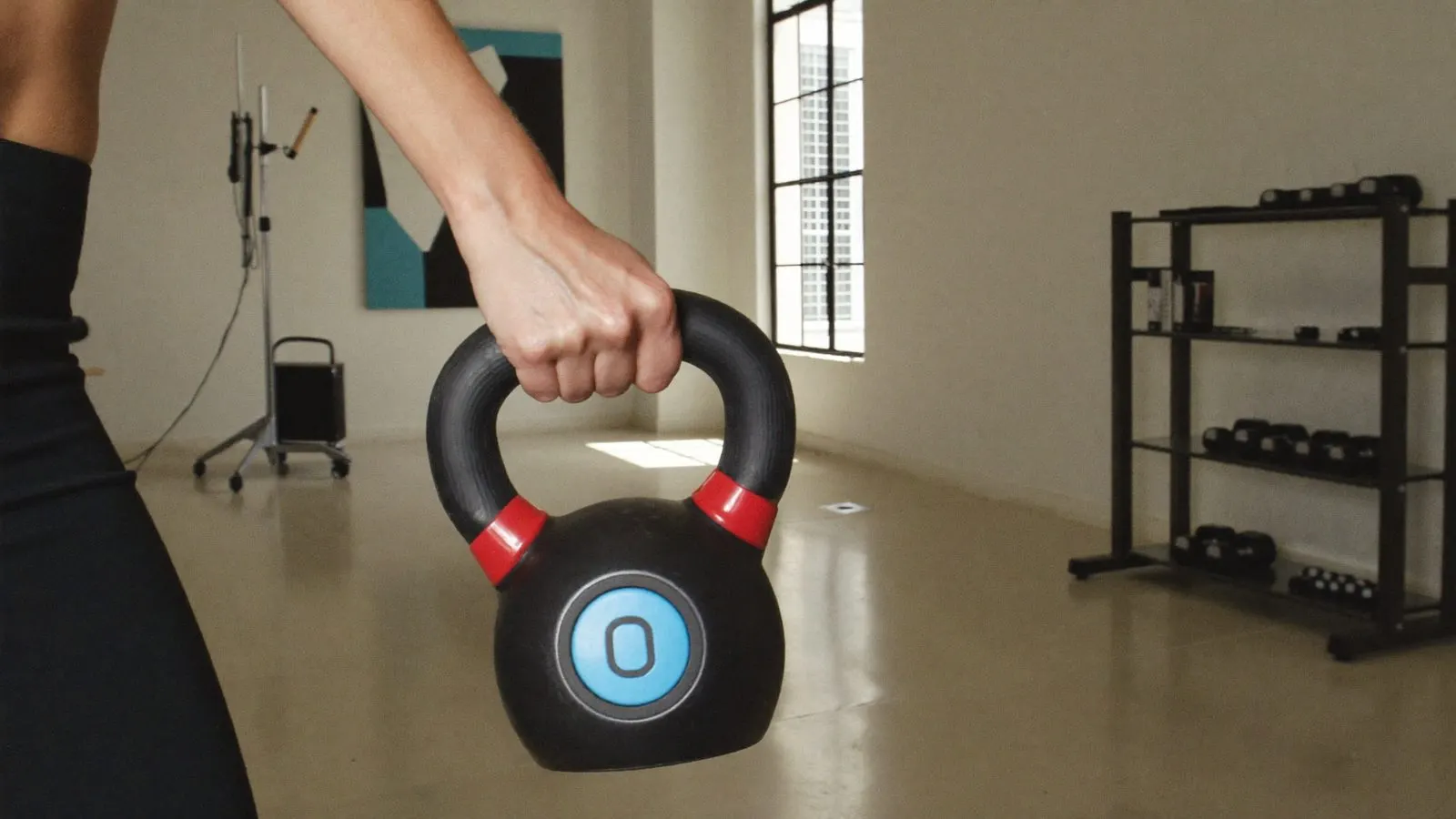
PCOS is not only a reproductive condition. It is an insulin-resistance phenotype. Here is what the evidence and a real practice actually do about it.
Read article →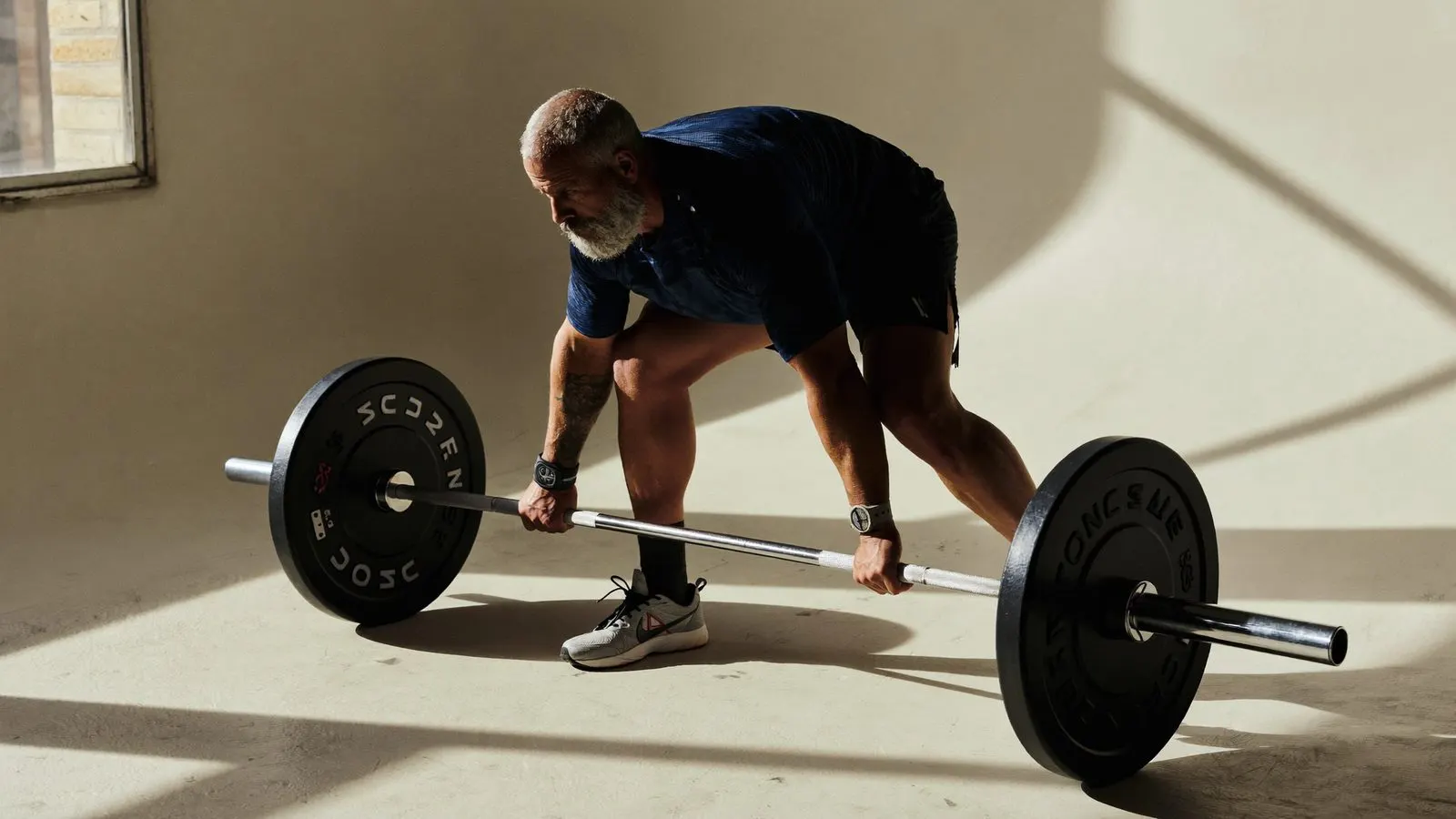
After fifty, muscle loss accelerates. The literature is clear about what stops it. Here is the protein-and-loading protocol that actually moves the needle.
Read article →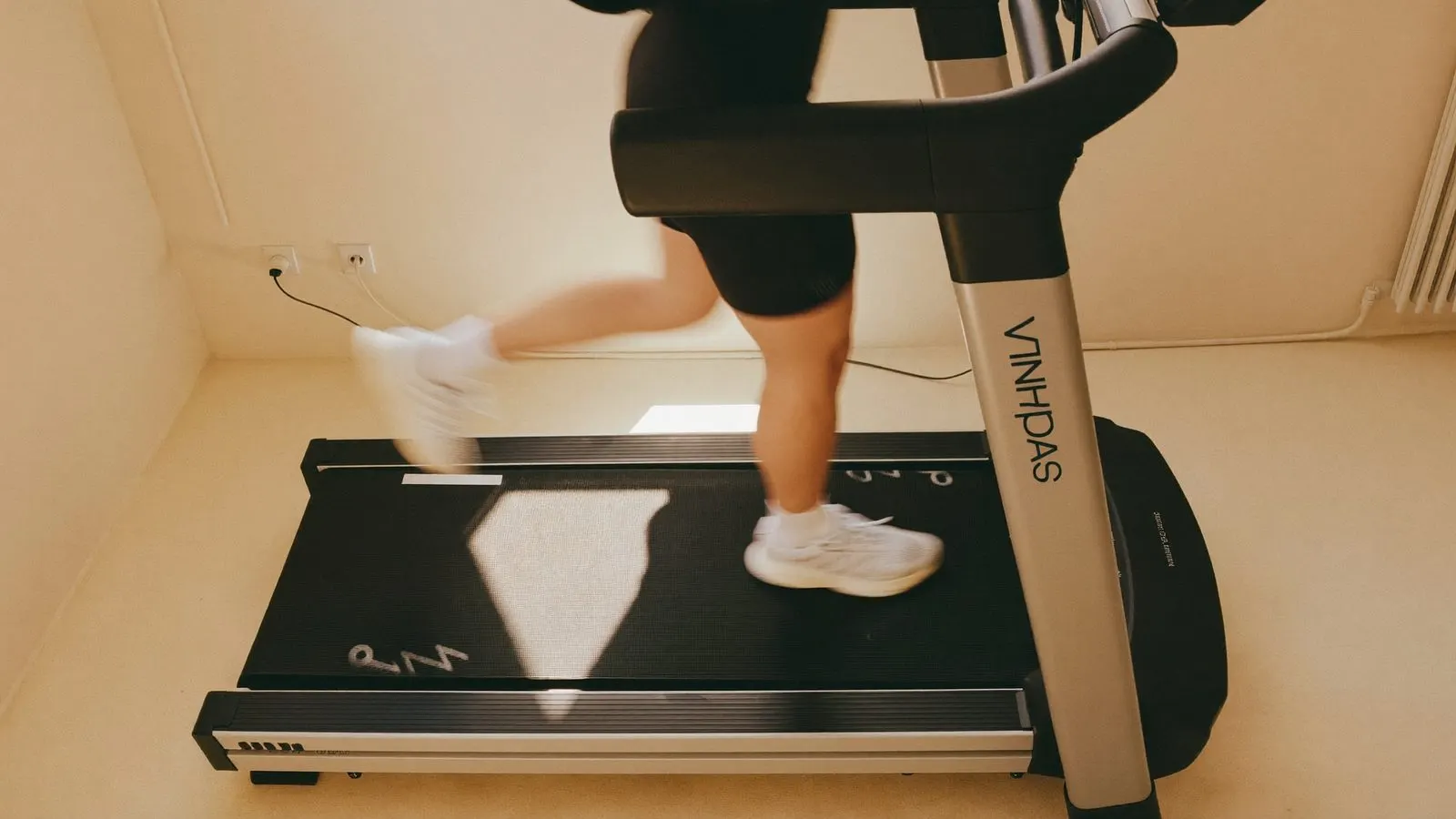
Exercise raises brain-derived neurotrophic factor more reliably than any cognitive drug on the market. Here is the dose and the clinical evidence.
Read article →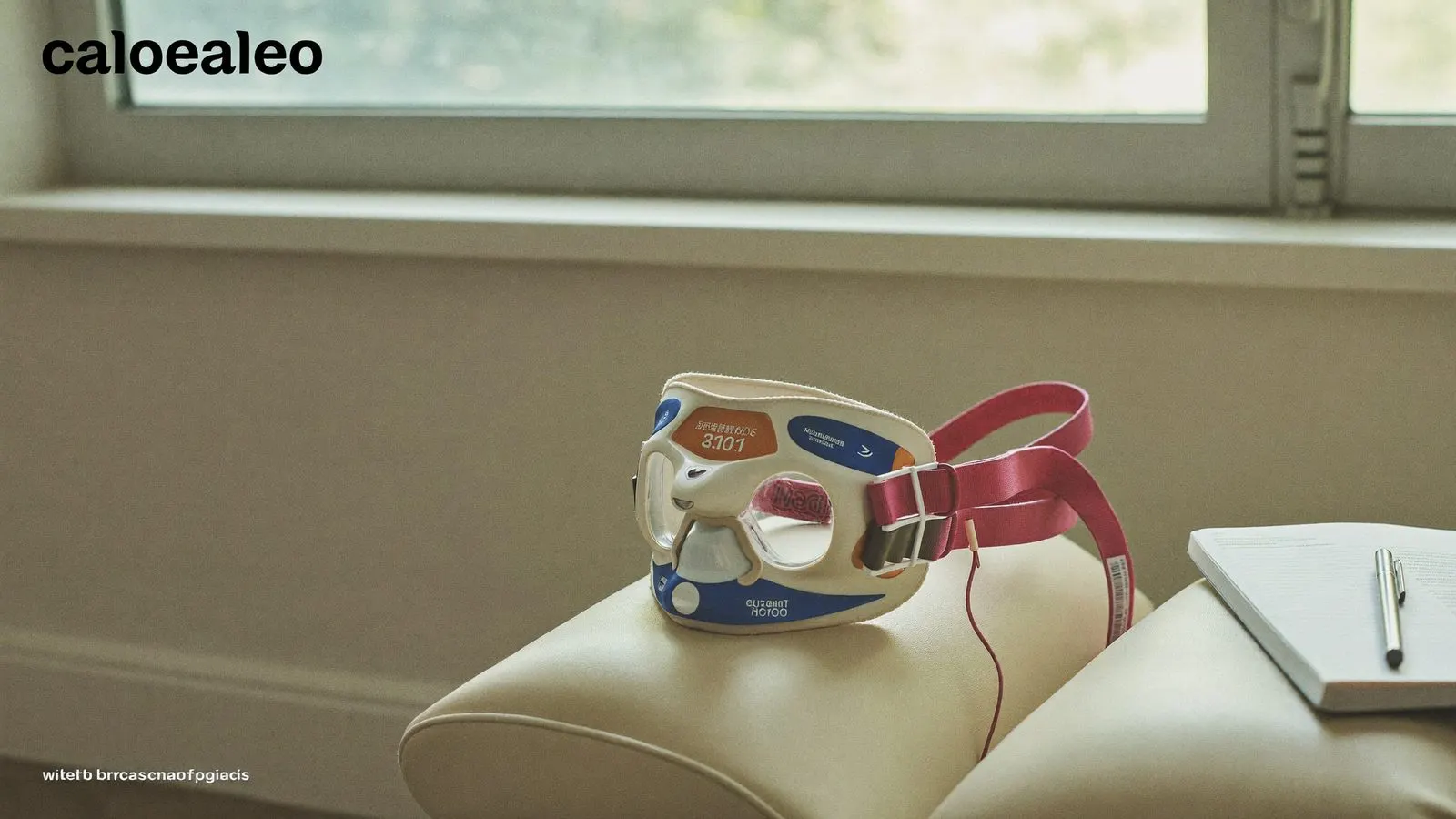
Online TDEE calculators are wrong by 200–500 calories for most adults. Here is what indirect calorimetry actually measures and why it changes the protocol.
Read article →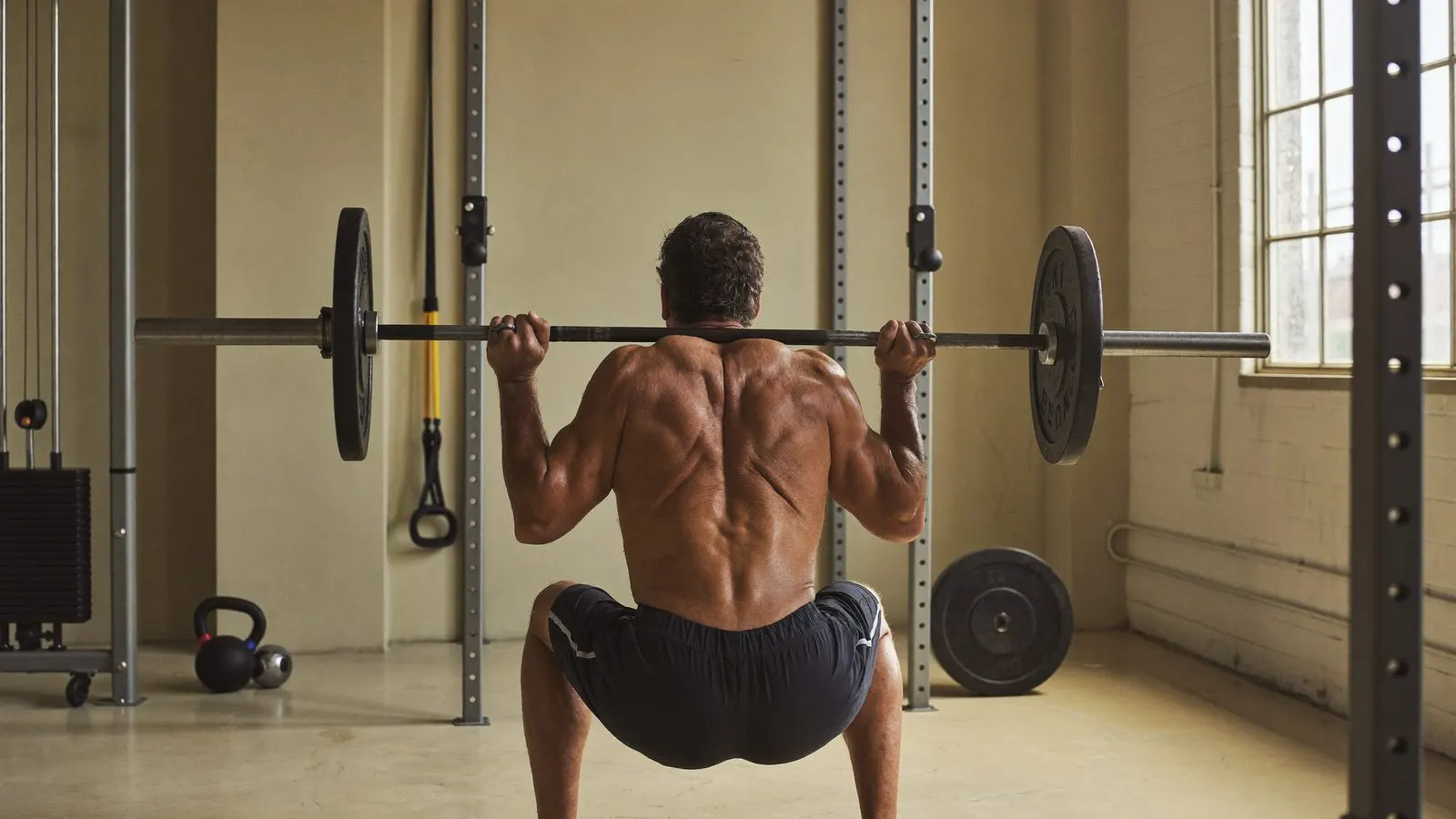
Male testosterone falls 1–2% per year after 30. Most of the resulting symptoms respond more to training than to TRT. Here is what the evidence actually shows.
Read article →
DEXA is the most accurate. Bioimpedance is the most repeatable. Tape measure is the most underrated. Here is what each tool actually tells a coach.
Read article →
Most longevity supplements have weak evidence. A small number have strong evidence. Here is what the practice recommends after twenty years of research.
Read article →
The fitness industry runs on enthusiasm. The clinic runs on evidence. Here is what that distinction looks like inside a coaching program — and why it matters.
Read article →
"Healthy" salads can hit 900 calories. A coach's calorie-by-calorie audit of where hidden calories actually live — oils, dressings, nuts, and cheese.
Read article →
Protein builds. Carbs fuel. Fat regulates. Fibre maintains. A PhD's plain-language breakdown of what each macronutrient actually does inside your body.
Read article →
Two people lose 5 kg. One looks dramatically better; the other looks worse. The difference isn't the scale. It's the macros that built the deficit.
Read article →
Caloric deficit is the only mechanism for fat loss — but how big, how long, and how managed matters more than most people realize. A PhD's honest take.
Read article →
Keto, carnivore, anti-inflammatory, Whole30 — each diet that goes viral has the same problem. The data show why most people regain everything within 12 months.
Read article →
Long-term caloric deficits damage thyroid, sex hormones, and immune function. A PhD's evidence-based guide to dieting in cycles — not in straight lines.
Read article →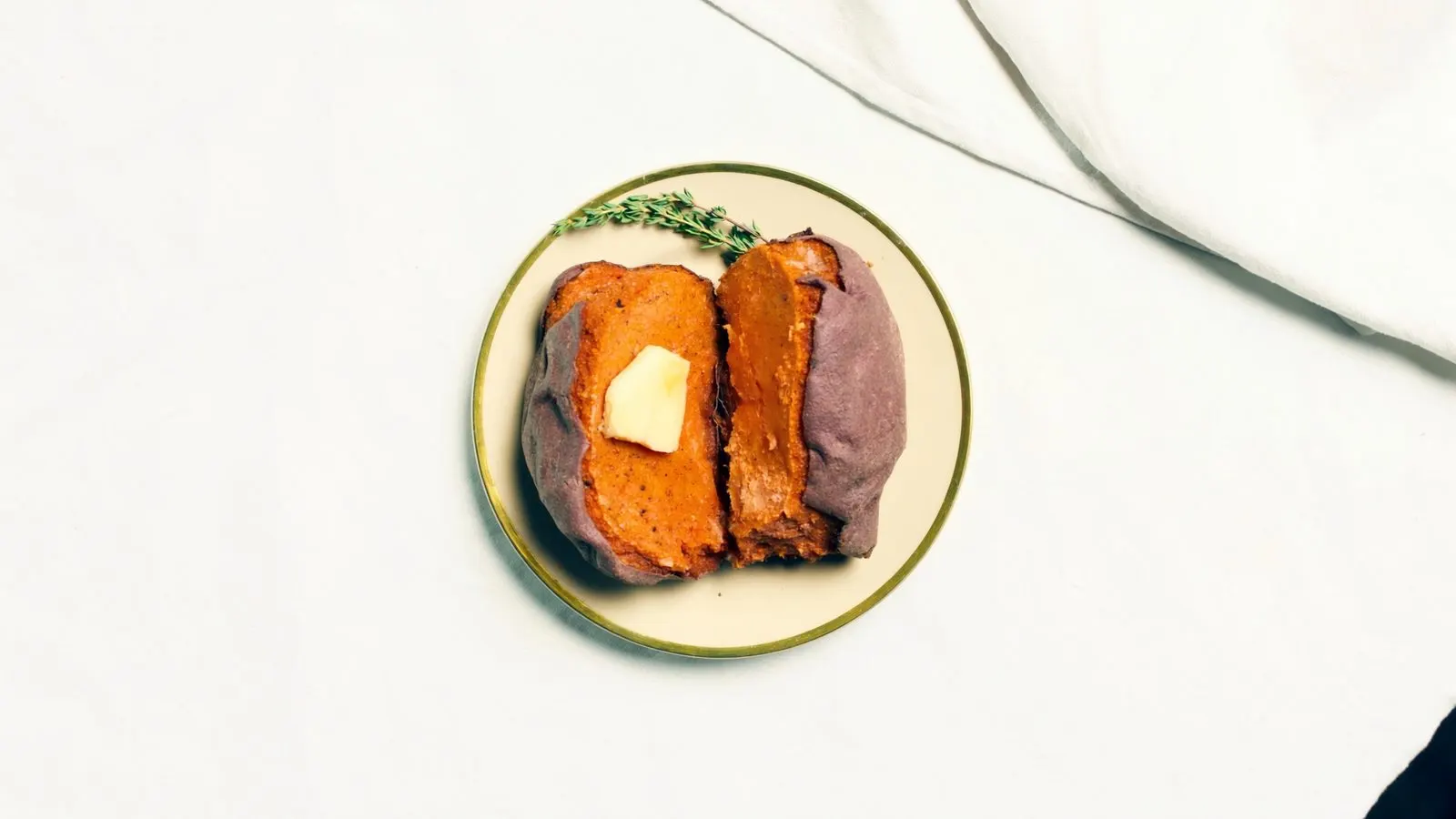
A baked potato has 130 calories. Add butter, sour cream, and bacon bits and it's 600. The food fitness culture demonized isn't the problem — the toppings are.
Read article →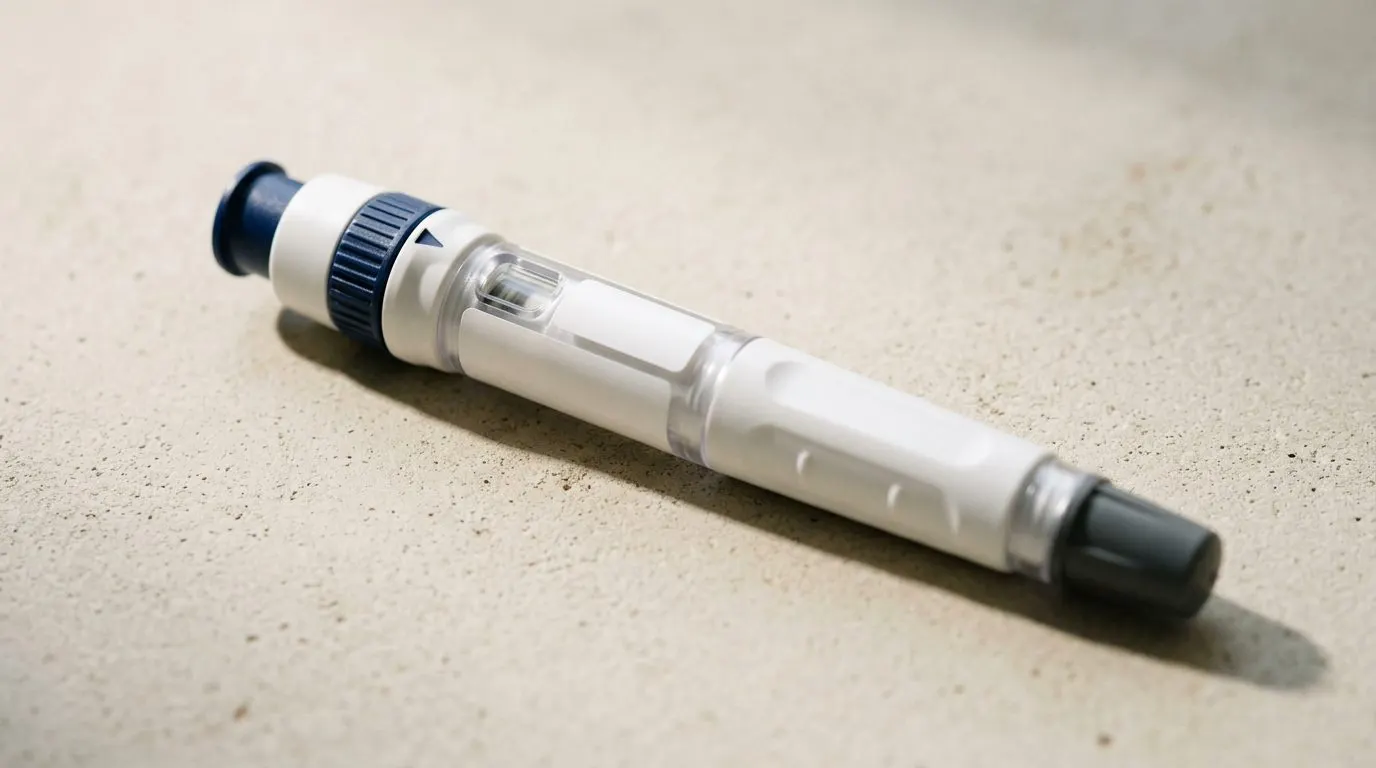
Three drugs. Different molecules. Different side effects. Same coaching protocol needed for all of them. A PhD's plain-language comparison.
Read article →
Excess visceral fat aromatizes testosterone into estrogen, suppresses SHBG, and drives inflammation that disrupts every hormonal axis. A PhD's mechanism map.
Read article →
Estrogen loss accelerates muscle loss, bone loss, and visceral fat gain. Structured strength and cardio training reverses each one — measurably.
Read article →
The "interference effect" is real but small. Combining strength and cardio in the same week is the most evidence-backed health protocol available.
Read article →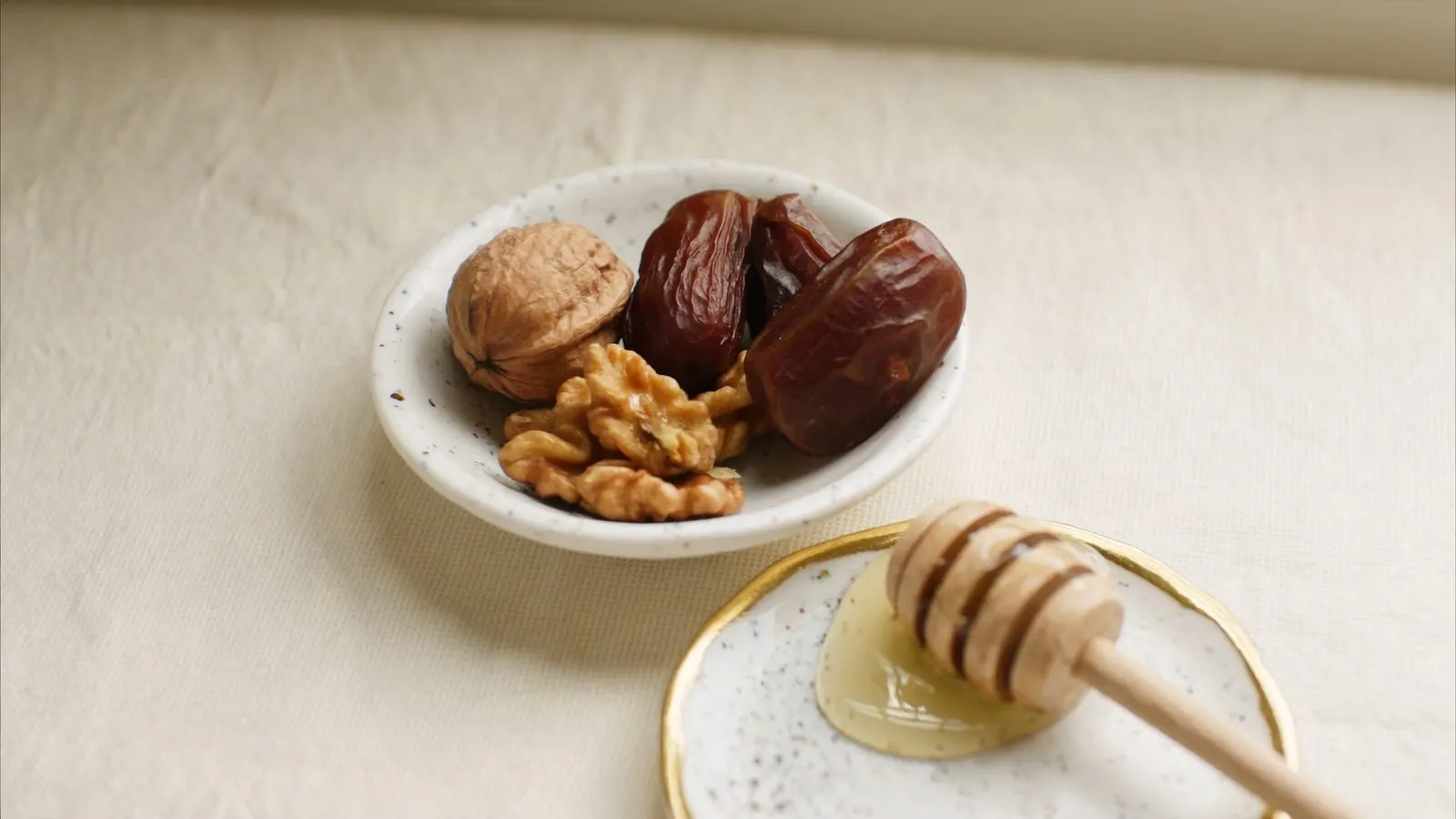
GLP-1 suppresses appetite. Protein suppresses it further. Stack them and you under-eat — and lose muscle. Why advanced carbs like honey and dried fruit help.
Read article →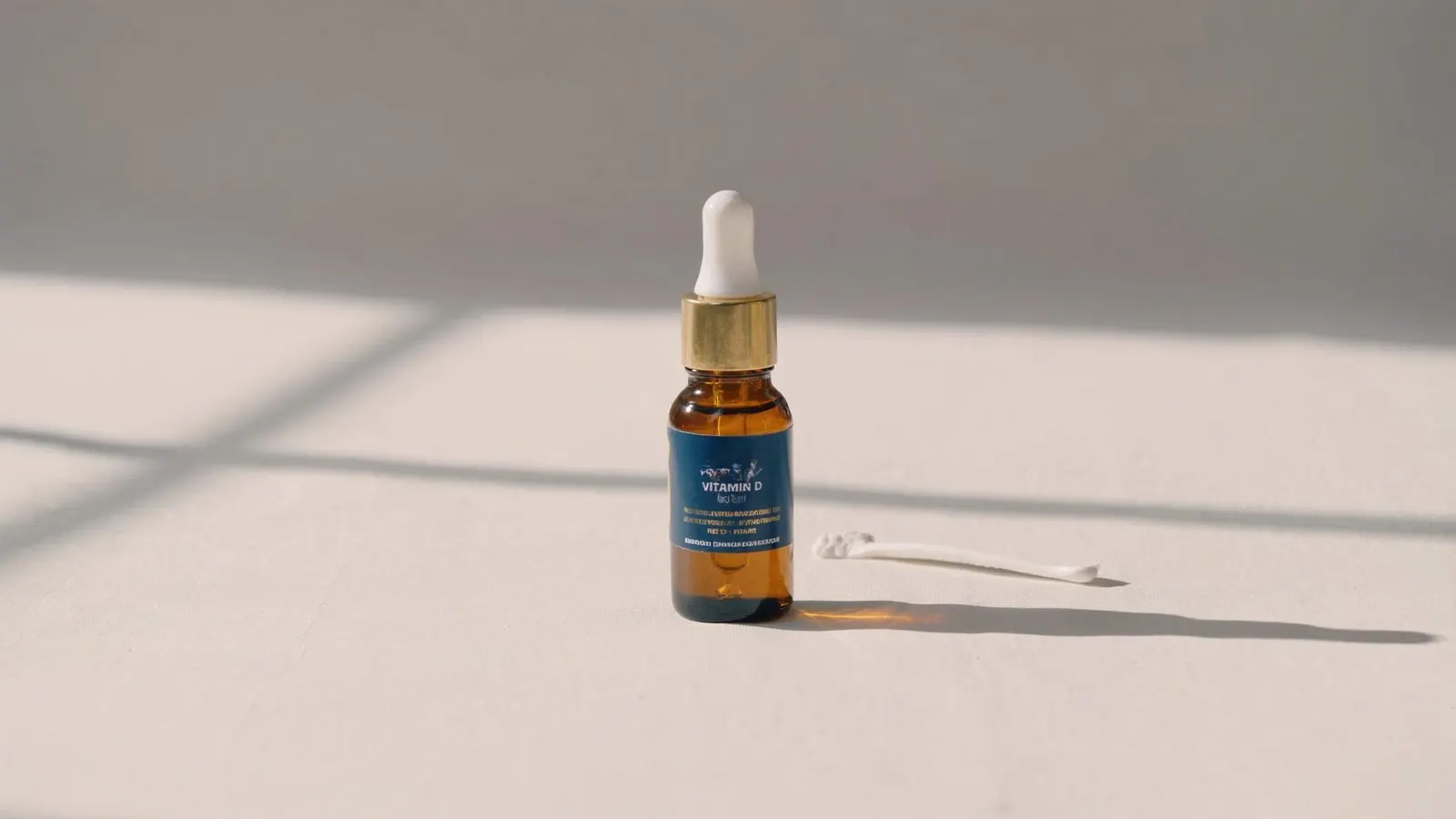
60% of Canadians are vitamin D insufficient by April. Obesity traps vitamin D in fat tissue. A PhD's guide to detection and correct dosing.
Read article →
Cardio improves VO2 max — and VO2 max predicts mortality more reliably than smoking. Here's what the evidence says about how much, and what kind.
Read article →
Exercise has effect sizes for depression and anxiety comparable to first-line antidepressants. Here's the dose, the modality, and what the research shows.
Read article →
Bone responds to mechanical load the way muscle does. Resistance training preserves and rebuilds bone density — including in post-menopausal women.
Read article →
Testosterone declines roughly 1% per year after age 30. The decline is real. The rate is partly under your control. A PhD's guide to preserving it.
Read article →
GLP-1 medications suppress appetite — and silently create nutrient gaps. Vitamin D and omega-3 from fish or supplements are the two most important fills.
Read article →
Strength training reduces all-cause mortality by 21%. Here's what twenty years of evidence — and one PhD's lab — actually say about why lifting matters.
Read article →
Lifters who add cardio live longer. Runners who add lifting age slower. Specializing in one mode of training leaves measurable health on the table.
Read article →
Strength training reduces LDL cholesterol independent of weight loss. Here's the evidence — and the protocol that produces the largest effect.
Read article →
Cardio raises HDL more reliably than any non-drug intervention. Here's the dose, the mechanism, and what to expect from twelve weeks of aerobic training.
Read article →
Sarcopenia accelerates in women's 50s and 60s. The same training that preserves muscle also reduces risk of Parkinson's and Alzheimer's. Here's why.
Read article →
Both strength and cardio improve insulin sensitivity — but through different pathways. Doing both produces a compounding effect, with molecular evidence.
Read article →
Estrogen rises through puberty, plateaus in the reproductive years, fluctuates wildly in perimenopause, then drops sharply. A PhD's map of each stage.
Read article →
Aerobic exercise reduces cardiovascular mortality more reliably than most prescription drugs. Here's what the trials show — and how much you actually need.
Read article →
Skeletal muscle is metabolically active endocrine tissue. The more you have, the better your hormones function. A PhD's case for lifting as hormonal insurance.
Read article →Free downloadable guides — recipes, GLP-1 nutrition, habit systems — built from the same evidence base as these articles.
Browse the Free Guides →Twenty minutes with Diego Botezelli. We figure out if you're a fit, what's realistic, and which program matches your goal — or if none of them do.
Book Free Consultation →