PCOS Is A Metabolic Disease First — And That Changes The Coaching
Most women who arrive at the practice with a PCOS diagnosis have been handed three things by the medical system: a prescription for metformin, a suggestion to “lose weight,” and a vague recommendation to “watch carbs.” Sometimes a fourth — birth control to manage the cycle. None of those are wrong. None of them, in isolation, are coaching.
PCOS is the most common endocrine disorder in women of reproductive age, affecting somewhere between 8 and 13% of the global population depending on diagnostic criteria (Teede et al., 2023, Fertility and Sterility, PMID 37589624). The defining feature is not the cysts — many women without PCOS have ovarian cysts, and many women with PCOS don’t. The defining feature is the metabolic phenotype: hyperandrogenism, ovulatory dysfunction, and — in roughly 70% of cases — insulin resistance that precedes and amplifies everything else.
That last part is what most coaching programs miss. PCOS is metabolic first, reproductive second.
What insulin resistance actually does in PCOS
When skeletal muscle stops responding well to insulin, the pancreas compensates by secreting more of it. Elevated insulin acts on the ovarian theca cells to increase androgen production. Elevated androgens disrupt the LH/FSH pulsatility that governs ovulation. The cycle becomes irregular. The skin and hair respond to circulating testosterone. Body fat preferentially deposits viscerally. The whole cascade traces back to one upstream lever.
Lim et al. (2019) in the Cochrane Database of Systematic Reviews (PMID 30921477) reviewed 33 trials and concluded that lifestyle interventions targeting weight loss in women with PCOS improved insulin resistance markers, free androgen index, and menstrual regularity — independent of medication. Patten et al. (2020, Frontiers in Physiology, PMID 32733258) showed that progressive resistance training specifically — not cardio alone — produced the largest improvements in fasting insulin and HOMA-IR in PCOS cohorts.
The mechanism is mundane and powerful: trained muscle is the body’s largest insulin-sensitive tissue. Training it lowers the insulin demand for every meal you eat for the rest of the week.
What the coaching protocol looks like
The PCOS protocol at the practice has four pieces, in this order of priority.
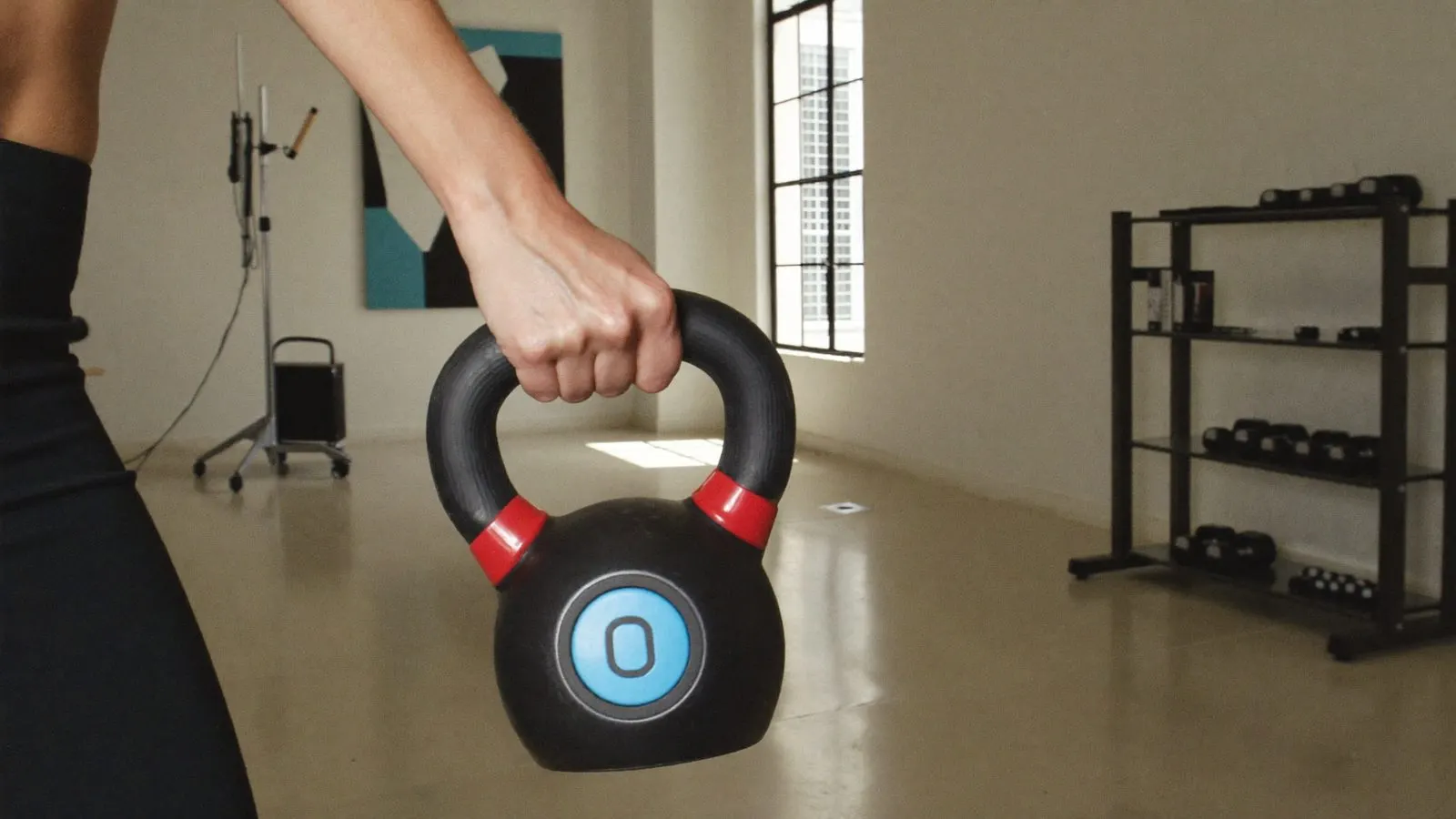
Strength training, 2–3 sessions per week. Full body, progressive load. The dose is non-negotiable; PCOS does not respond to walking alone. This is where insulin sensitivity recovers.
Protein anchoring at every meal. 30–40g of protein at breakfast specifically reshapes the glycemic curve for the rest of the day. Most clients with PCOS arrive eating coffee-and-toast breakfasts that load the pancreas and amplify androgenic drive.
Carbohydrate quality, not deprivation. Low-carb diets work short-term in PCOS but they’re not necessary and they’re hard to sustain. What works long-term is unprocessed carbohydrate timed around training and paired with protein and fibre. Restricting carbs has a track record of triggering binge cycles and disordered eating in this population.
Sleep and circadian alignment. Poor sleep raises evening cortisol, which independently worsens insulin resistance. We measure sleep on intake and address it in the first month if it’s broken.
What this protocol changes — and what it doesn’t
In the average client cohort the practice sees, twelve weeks of this protocol — without medication changes — produces measurable shifts: a drop in fasting insulin of 20–40%, a measurable decrease in androgen-driven skin and hair symptoms, and a return to a more regular cycle in roughly half of the women who weren’t already on hormonal contraception.
What it doesn’t change: PCOS is genetic, lifelong, and won’t be “cured.” The goal of the coaching is not eradication — it’s leverage. Twelve weeks of evidence-based training and nutrition gives the body the metabolic margin it needs to function on its own physiology, with or without medication support from a prescribing physician.
What to ask your doctor
If you have a PCOS diagnosis and you’re working with a primary care doctor or endocrinologist, the right questions are: What’s my fasting insulin (not just glucose)? What’s my HOMA-IR? What’s my free testosterone, SHBG, and free androgen index? What’s my lipid panel? Those numbers — repeated every 6–12 months — are the dashboard. Everything else is downstream.
The practice doesn’t replace your physician. It builds the metabolic protocol that gives your physician’s strategy something to work with.
This article is educational and is not medical advice. Diego Botezelli is a researcher and coach, not a physician — he does not diagnose, treat, or prescribe. Talk to your doctor before changing medication, supplements, or training, especially if you have a health condition or take prescription drugs.
Want this applied to your own physiology?
The same evidence standard behind this article runs through every program I write, in person in Port Coquitlam or online.