Strength Training For Women: Muscle Preservation Through The Decades
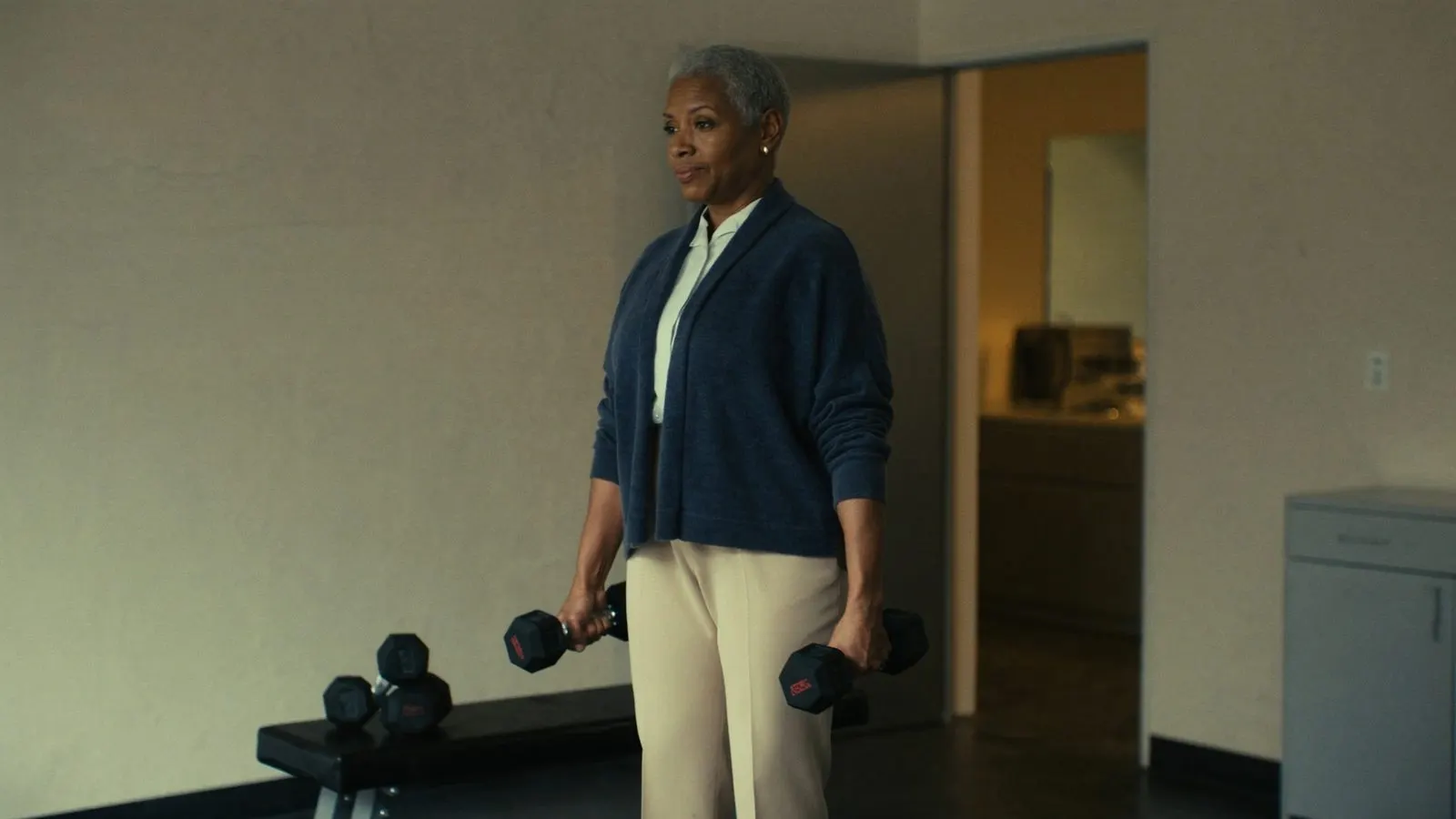
Sarcopenia — the age-related loss of muscle mass and strength — was for decades treated as an inevitability. The textbooks said muscle declines 1% per year after 40, accelerating in the 60s and 70s, and there was nothing meaningful to do about it. The textbooks were wrong.
We now have several decades of trials showing that progressive resistance training reverses sarcopenia in adults of any age — including adults in their 80s and 90s. The 1994 Fiatarone et al. trial published in NEJM trained 100 frail nursing-home residents (mean age 87) with progressive resistance exercise for 10 weeks. Muscle strength increased 113%. Walking speed increased 12%. Stair-climbing power doubled.
Figure reference: Fiatarone MA et al., “Exercise training and nutritional supplementation for physical frailty in very elderly people.” N Engl J Med. 1994;330(25):1769–75. PMID: 8190152. Reference Figure 2: changes in muscle strength and walking speed across training groups.
The notion that “it’s too late to start lifting” has no evidentiary basis. The notion that “lifting won’t help me at my age” is empirically false.
Why it matters more for women
Women lose muscle faster than men through midlife — partly because they start with less, partly because the menopausal hormone shift accelerates the decline. By age 70, untrained women have on average lost 20–30% of their peak muscle mass.
The downstream consequences include higher fall risk — falls are the leading cause of injury death in women over 65 (CDC data) — reduced functional independence, worse glycemic control, and higher risk of neurodegenerative disease. The last point is the one now arriving in the literature.
The brain-muscle connection
A 2022 cohort study (Lyu et al., Frontiers in Aging Neuroscience) followed 7,267 adults age 50+ for an average of 12 years. Adults with higher baseline grip strength — a marker of overall muscle strength — had lower incidence of dementia, Parkinson’s disease, and Alzheimer’s disease.
A 2017 systematic review (Boyle et al., Neurology) found that low muscle strength was associated with higher rates of Alzheimer’s-type cognitive decline even after adjusting for physical activity, education, and cardiovascular health.
The proposed mechanisms include the BDNF and IGF-1 pathways; better cerebral blood flow in regularly exercising adults; lower systemic inflammation; better glucose handling in the brain (since insulin resistance is increasingly recognized as a factor in Alzheimer’s pathology — sometimes called “type 3 diabetes”); and the release of muscle-derived myokines that cross into the central nervous system.
In our 2017 paper on hippocampal insulin signaling (Kuga, Botezelli, et al., Motriz), we reviewed how regular physical exercise improves brain insulin signaling — exactly the system disrupted in Alzheimer’s. Combined with the 2018 paper from our group (Kuga et al., Experimental Gerontology) showing exercise reverses impaired hippocampal insulin signaling and spatial learning in aged rats, the picture across mechanism, model, and human cohort is consistent.
What the protocol looks like
For women over 40 — especially perimenopausal and postmenopausal — the protocol that fits the evidence: strength training 3 days per week, full-body sessions with compound lifts (squat, deadlift, press, row), progressive loading, 2–3 working sets per movement, 5–12 reps, RPE 7–9 (1–3 reps in reserve on the last set).
Heavy enough matters. Light dumbbell circuits produce minimal benefit. The bone, muscle, and brain effects all scale with load. Start lighter than you think and progress over 8–12 weeks toward genuinely heavy weights for compound movements.
Cardio 2–3 sessions per week — one zone-2, one mixed-interval, optional third zone-2 — adds the cardiovascular, BDNF, and metabolic layers on top of the strength foundation.
Adequate protein: 1.6–2.0 g per kg per day, with 25–35 g per meal. Plant or animal — both work if total dose and leucine per meal are adequate.
This is what we run in the BTZ system for clients in this demographic. Elite clients get Indirect Calorimetry (Breezing) to measure resting metabolic rate, bioimpedance-tracked lean mass, and EMG-guided technique for clients who add those optional sessions. The 12-week program produces meaningful change. The 24-week and 48-week extensions produce the kind of change that materially affects how the next decade goes.
This article is educational and is not medical advice. Diego Botezelli is a researcher and coach, not a physician — he does not diagnose, treat, or prescribe. Talk to your doctor before changing medication, supplements, or training, especially if you have a health condition or take prescription drugs.
Want this applied to your own physiology?
The same evidence standard behind this article runs through every program I write, in person in Port Coquitlam or online.