Are Seed Oils Actually Bad for You?
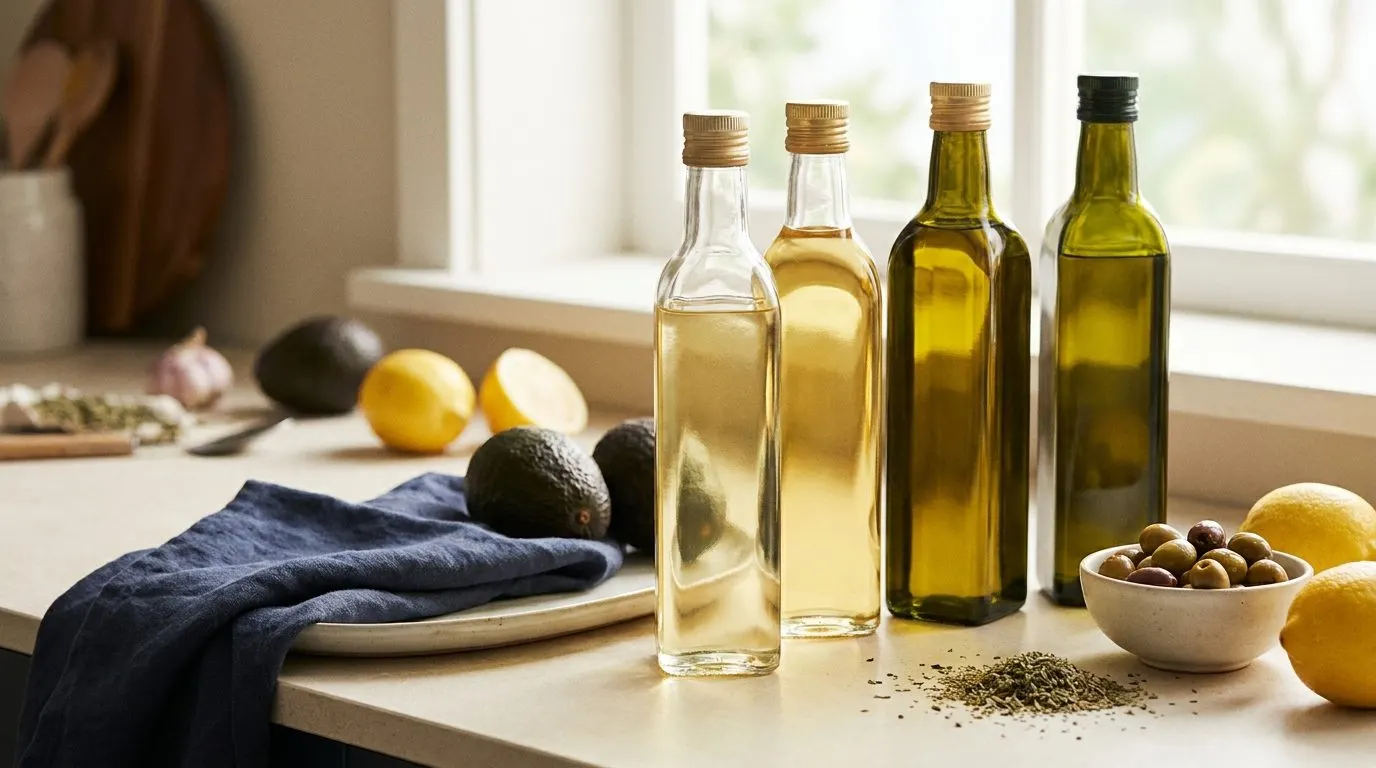
Seed oils became the villain of 2025 nutrition discourse. Canola, soybean, sunflower and the rest got blamed for inflammation, obesity and chronic disease, and “seed-oil free” started appearing on restaurant menus. The case sounds compelling until you look at what controlled trials actually measured.
The core fear is that the omega-6 fats in seed oils, mainly linoleic acid, drive inflammation. The randomized evidence does not support that story.
What the trials show
The cleanest question to ask is what happens when people replace saturated fat with polyunsaturated fat, which is what seed oils mostly are. A systematic review and meta-analysis of randomized controlled trials found that swapping saturated fat for polyunsaturated fat reduced coronary heart disease events by about 19% (Mozaffarian et al., 2010, PLoS Medicine, PMID 20351774). That is the opposite of what you would expect if seed oils were quietly poisoning people.
Controlled feeding studies also consistently show that linoleic acid intake does not raise inflammatory markers in healthy adults. The “omega-6 causes inflammation” claim rests on biochemical pathways drawn on a whiteboard, not on what shows up in human blood when people actually eat these oils.
Where the bad reputation comes from
Seed oils are everywhere in ultra-processed food: chips, fried fast food, packaged snacks, baked goods. Those foods are genuinely linked to overeating and poor health. The oil rides along inside them, so it gets the blame for the company it keeps.
The mistake is confusing the carrier with the cause. The problem with a bag of chips is that it is engineered for passive overconsumption, calorie-dense and easy to eat by the handful. It is not that the oil inside it is uniquely toxic. Cook your own vegetables in canola oil at home and you have a completely different food, even though the oil is identical.
The 2025 swing toward beef tallow and away from seed oils was driven largely by politics and online momentum, not by new evidence. No randomized trial arrived showing that tallow beats canola for cardiovascular health. The data still favors unsaturated fats.
The honest nuance
This is not a blanket endorsement of drowning everything in soybean oil. These oils are calorie-dense, and the hidden calories in oils are a real driver of creeping intake. Heavily reused frying oil and the deep-fried foods built on it are worth avoiding for reasons that have nothing to do with the omega-6 panic.
What this looks like in coaching
I keep the kitchen default simple: olive oil for most cooking and dressings, because it has the deepest evidence base and clients enjoy it. Canola and other seed oils are fine, not feared, when used in normal home cooking amounts.
The real conversation is almost never about the type of oil. It is about volume. A tablespoon of any oil is roughly 120 calories, and dressings, sautéing and finishing oils add up fast and invisibly. I have clients measure oil for a couple of weeks the same way they measure protein, because that is where the actual leak usually is.
Seed oils are not the thing standing between you and your goals. The ultra-processed foods they live inside are a different matter. Fix the food, and the oil debate mostly evaporates.
This article is educational and is not medical advice. Diego Botezelli is a researcher and coach, not a physician — he does not diagnose, treat, or prescribe. Talk to your doctor before changing medication, supplements, or training, especially if you have a health condition or take prescription drugs.
Want this applied to your own physiology?
The same evidence standard behind this article runs through every program I write, in person in Port Coquitlam or online.