Hidden Calories: Dressings, Frying Oils, Nuts On Salads
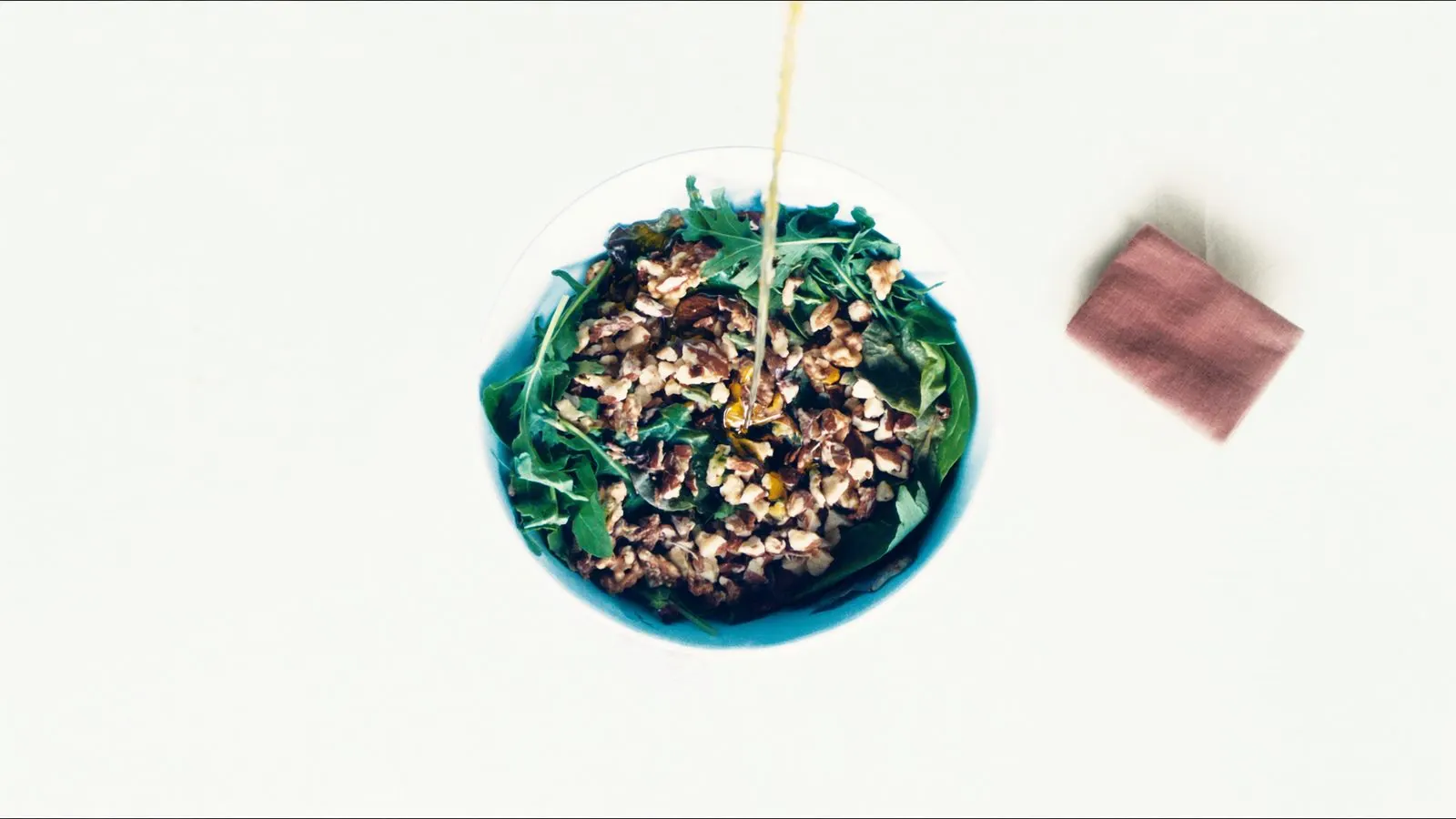
The most common conversation I have with new clients goes like this: “I eat clean. I eat salads for lunch. I don’t understand why I’m not losing weight.” Then we open the food log and find a 900-calorie salad.
The salad isn’t lying. The salad is fine. The 6 tablespoons of dressing, the 1/3 cup of nuts, the 2 oz of feta, the chicken cooked in oil, and the avocado on top are the calories. Most of them are also healthy. They’re still calories.
The audit
This is what a typical “healthy lunch salad” actually costs, calorie by calorie:
- 4 cups mixed greens: 30 kcal
- 4 oz grilled chicken: 180 kcal
- 1/2 avocado: 120 kcal
- 1/4 cup walnuts: 200 kcal
- 1 oz feta: 75 kcal
- 1/2 cup chickpeas: 90 kcal
- 1/4 cup dried cranberries: 100 kcal
- 3 tbsp Caesar dressing: 240 kcal
- 1 tbsp pumpkin seeds: 50 kcal
- Olive oil drizzle (~1 tbsp): 120 kcal
Total: 1,205 kcal · 35 g protein · 75 g fat
A reasonable adult target for a lunch in a fat-loss phase is 400–600 kcal. This salad is double that. The vegetables, the protein, the legumes — all fine. The toppings are where 75% of the calories live.
Figure reference: Hall KD et al. “Ultra-Processed Diets Cause Excess Calorie Intake and Weight Gain.” Cell Metab. 2019;30(1):67–77.e3. PMID: 31105044. The hyperpalatability and fat density of modern condiments and dressings directly mirrors the mechanisms driving spontaneous overconsumption documented in this trial.
The five most-underestimated foods
I keep a running list from client food logs. Top five hidden-calorie culprits, by year of coaching:
1. Olive oil. 120 kcal per tablespoon. Most cooks use 2–4 tablespoons per meal, often poured straight from the bottle without measuring. The annual under-counting from oil alone, in my client data, is roughly 100,000 kcal — about 13 kg of fat.
2. Salad dressings. 100–250 kcal per 2-tablespoon serving. Restaurant dressings often arrive with 4–6 tablespoons in the bowl. “Light” dressings are usually 30–40% lower-calorie at best, not negligible.
3. Nuts. Almonds 165/oz, cashews 155, walnuts 185. A “small handful” is usually 1.5–2 oz, not 1.
4. Avocado. Half a Hass avocado is 120 kcal. People eat a whole avocado and count it as “a little avocado.”
5. Cheese. 30 g is 100–120 kcal. Most cheese servings on Western plates are 60–80 g without acknowledgment.
The fix isn’t to remove them
These are good foods. Olive oil, nuts, avocado, cheese — all of these have legitimate places in evidence-based nutrition. The fix is to measure them once, calibrate your eye, then estimate accurately.
Specifically, for the first 30 days of a fat-loss phase:
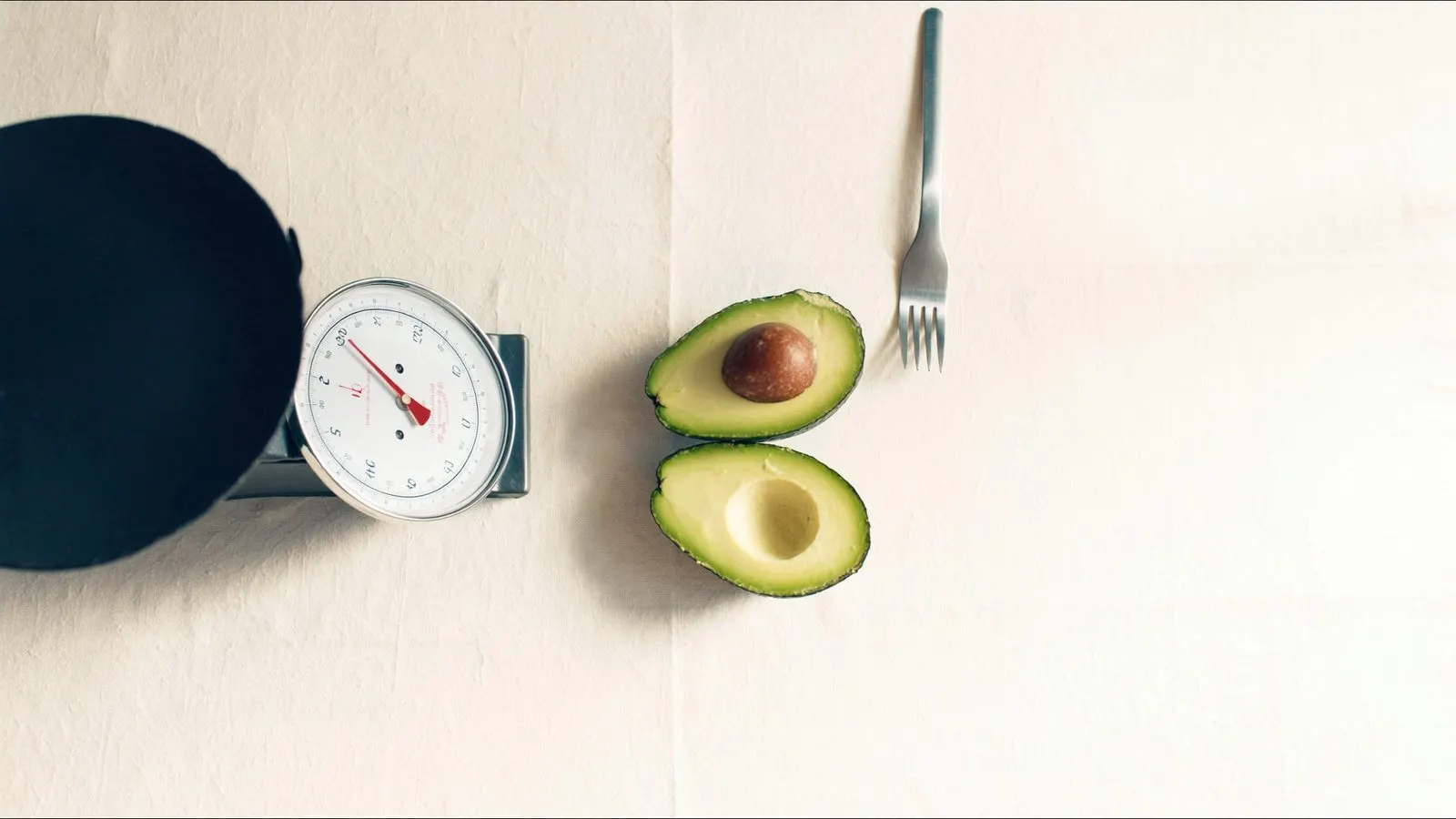
- Buy a $20 kitchen scale and a set of measuring spoons
- Weigh every added fat (oils, butter, nuts, cheese, avocado) before it goes on the plate
- After 30 days, you’ll be able to estimate within 10% by eye
In the BTZ Weight Well program, this is week 1 homework. The number of clients who lose 1–2 kg in the first 14 days from measurement alone, without changing the menu, is roughly 70%. The calories were already there. They just weren’t being seen.
The cooking-method audit
Beyond ingredients, the cooking method matters. Same chicken breast:
- Grilled dry on a non-stick pan: 165 kcal for 6 oz
- Pan-fried in 1 tbsp oil: 285 kcal
- Battered and deep-fried: 420 kcal
- Air-fried with 1 tsp oil spray: 180 kcal
The protein content is the same in all four. The fat content is dramatically different. For a fat-loss phase, grill or air-fry by default. Pan-fry when you want flavor. Deep-fry rarely.
This article is educational and is not medical advice. Diego Botezelli is a researcher and coach, not a physician — he does not diagnose, treat, or prescribe. Talk to your doctor before changing medication, supplements, or training, especially if you have a health condition or take prescription drugs.
Want this applied to your own physiology?
The same evidence standard behind this article runs through every program I write, in person in Port Coquitlam or online.