The Problem Isn't Carbs. It's What You Serve With Them.
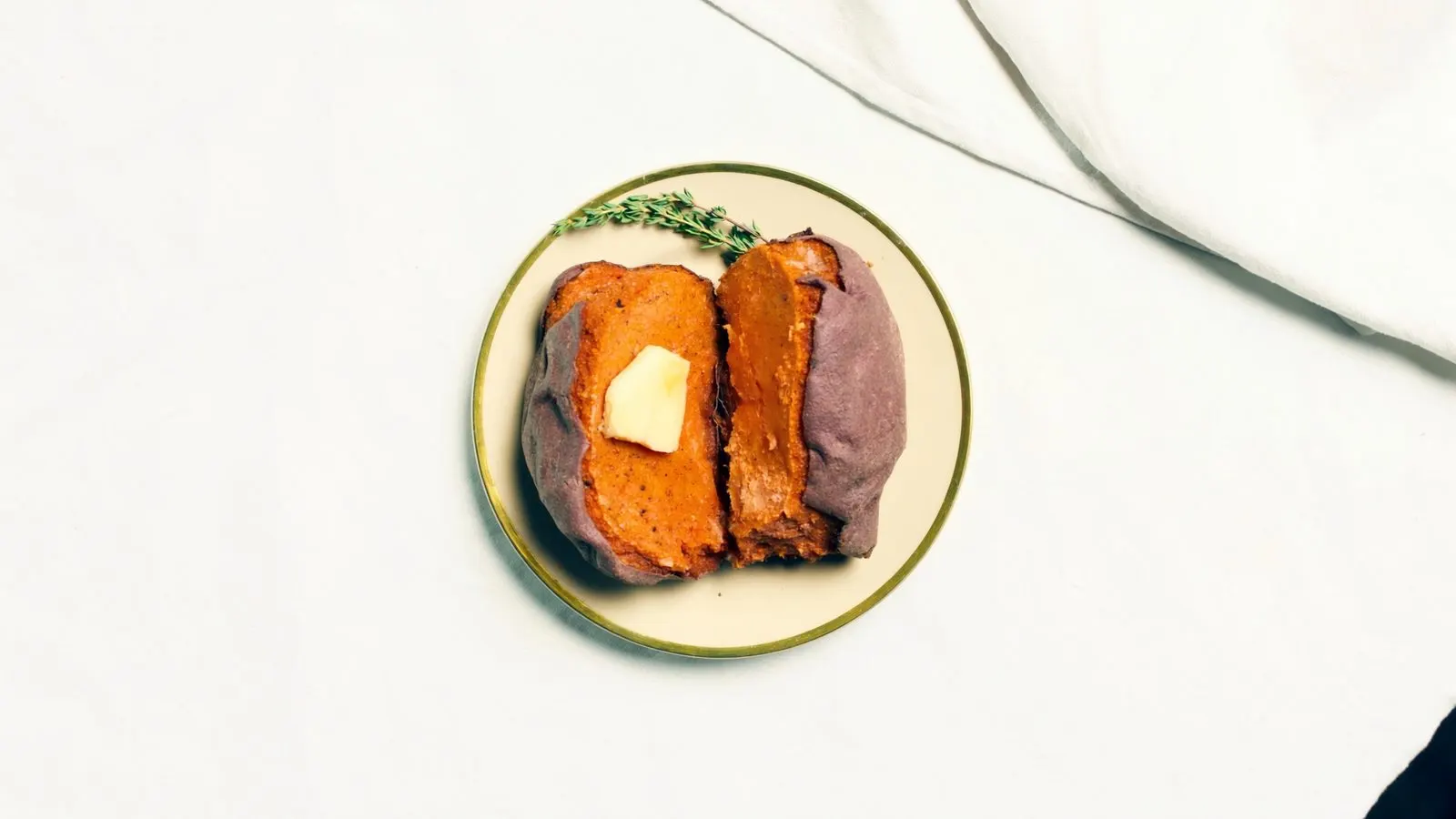
Carbohydrates have spent fifteen years as the villain of the fitness internet. The actual data don’t support the story. A baked potato is 130 kcal. White rice, one cup cooked, is 200 kcal. A slice of sourdough is 130. Oatmeal, half cup dry, 150.
The reason carbs got blamed is that humans rarely eat them plain. We add butter, oil, dressing, cheese, sugar, and sauces. Those add 200–600 calories to a starch that started at 130. The carb didn’t betray you. The dressing did.
Where the calories actually live
A 2019 cohort analysis by Hall et al. at the NIH, published in Cell Metabolism, fed participants ultra-processed versus minimally-processed diets matched for total calories, protein, fat, carbs, sugar, sodium, and fibre. Participants in the ultra-processed group spontaneously ate roughly 500 kcal/day more — not because they were given more, but because the food properties (hyperpalatability, calorie density, faster eating speed) pushed them to overeat.
Figure reference: Hall KD et al. “Ultra-Processed Diets Cause Excess Calorie Intake and Weight Gain.” Cell Metab. 2019;30(1):67–77.e3. PMID: 31105044. See Figure 3: ad libitum energy intake on ultra-processed vs minimally-processed diets.
Ultra-processed food is calorie-dense by design. The carb base is not the source of the problem; the fat-sugar-salt loading around it is.
The actual numbers
Here’s what real-life eating math looks like. Same plate, two preparations:
Preparation A — clean:
- 1 cup white rice (200 kcal)
- 6 oz grilled chicken (280 kcal)
- 1 cup steamed broccoli (55 kcal)
- 1 tsp olive oil drizzle (40 kcal)
- Total: 575 kcal · 40 g protein · 50 g carb
Preparation B — same ingredients, restaurant style:
- 1 cup fried rice (350 kcal — cooked in 1 tbsp oil)
- 6 oz fried chicken (520 kcal — battered, fried in oil)
- 1 cup broccoli stir-fried in 1 tbsp oil (175 kcal)
- 2 tbsp soy/sesame sauce drizzle (140 kcal)
- Total: 1,185 kcal · 40 g protein · 55 g carb
Same macronutrient framework on paper. Twice the calories. The difference is entirely in the fat content of the preparation — and almost none of it comes from anything the client perceives as “fattening.”
The biggest hidden sources
In my coaching practice, the calories clients don’t count almost always live in one of these places:
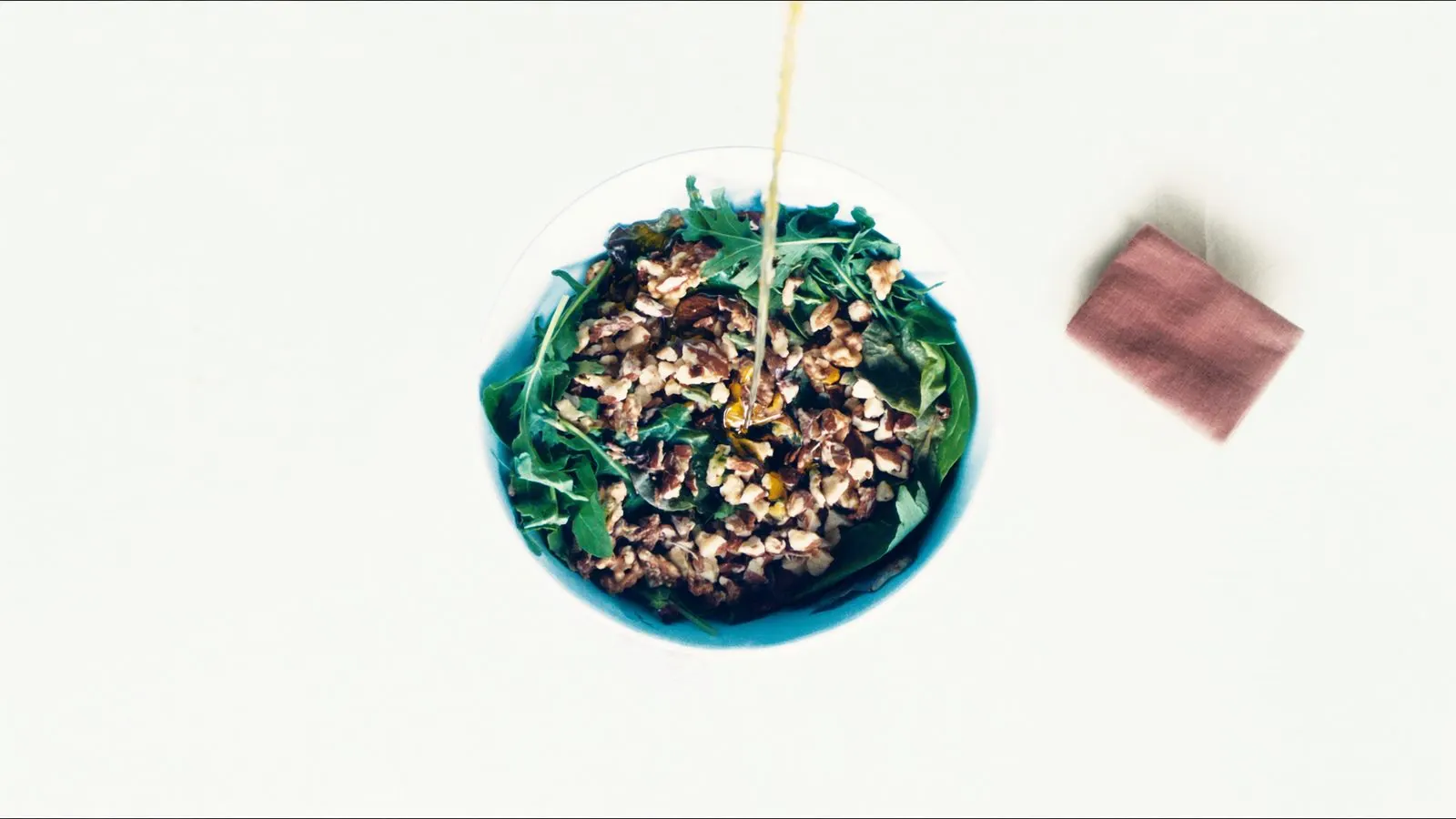
Cooking oils. A tablespoon of olive oil is 120 kcal. Most home cooks pour 2–4 tablespoons into a single pan without measuring. That’s 240–480 hidden kcal per meal.
Salad dressings. 2 tablespoons of vinaigrette is 150–200 kcal. Caesar is 200–300. Ranch is similar. A “healthy” salad with extra dressing can hit 700–900 kcal.
Coconut oil and ghee. Marketed as health foods. Same calorie density as olive oil (~120/tbsp). Adding “a little coconut oil for the brain” to coffee is 120+ kcal you didn’t track.
Nuts and seeds on salads/oatmeal. A handful of almonds is 170 kcal. A “sprinkle” of walnuts is 100 kcal. They stack up to several hundred extra kcal a day if you’re snacking on them.
Cheese. 30 g (one slice) is 110–130 kcal. The “I added a little cheese” addition to two daily meals is 300 kcal not counted.
Cream in coffee. 2 tablespoons of half-and-half is 40 kcal. Three coffees with two tbsp each is 240 kcal. Switch to milk and it drops to 60.
The fix
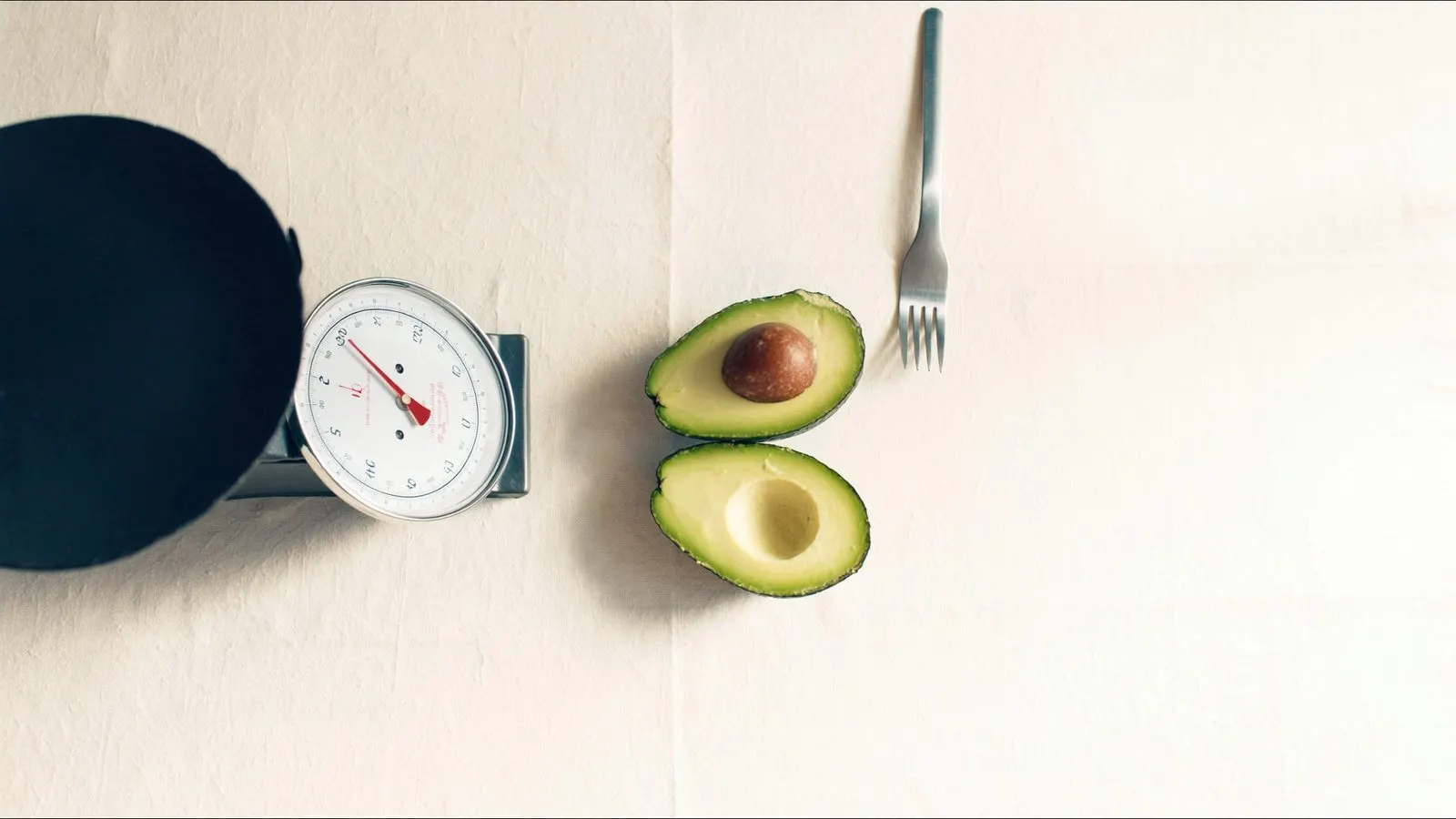
If you’re tracking calories and the scale won’t move, the answer is rarely “cut more carbs.” It’s measure the fat that’s added to everything. Olive oil is healthy. It’s also calorie-dense. The same statement is true for nuts, avocado, cheese, and butter.
The BTZ Weight Well program teaches measuring with a kitchen scale for the first 30 days. After that, eyeballing is fine — but only after the calibration period. Most clients cut 300–500 calories from their day on day 1 just by measuring the oil they were pouring without thinking.
This article is educational and is not medical advice. Diego Botezelli is a researcher and coach, not a physician — he does not diagnose, treat, or prescribe. Talk to your doctor before changing medication, supplements, or training, especially if you have a health condition or take prescription drugs.
Want this applied to your own physiology?
The same evidence standard behind this article runs through every program I write, in person in Port Coquitlam or online.