Why Macros Matter More Than The Scale
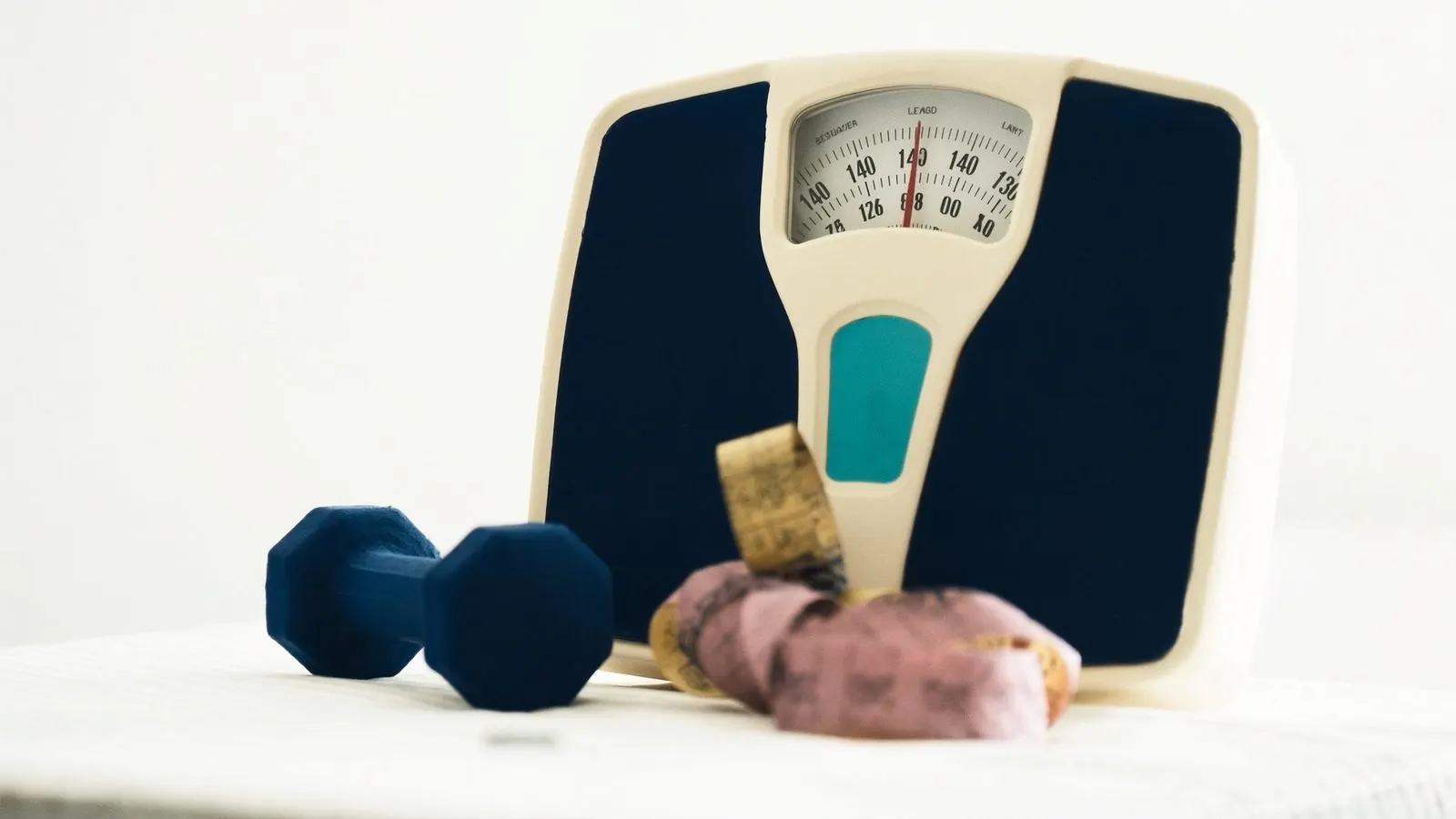
The bathroom scale is the worst-quality data we have in fitness. It tells you the total mass of everything in your body — fat, muscle, glycogen, water, gut contents, bone — without telling you which one changed. Two clients can each drop 5 kg over 12 weeks. One looks visibly leaner and stronger. The other looks deflated. Same scale move, totally different bodies.
The difference is what the calories were made of.
What “5 kg lost” can actually mean
Scenario A — clean fat loss with macros tracked:
- 4.5 kg fat lost
- 0.3 kg lean mass lost
- 0.2 kg glycogen + water shift
Scenario B — pure caloric restriction without protein target:
- 2.5 kg fat lost
- 2.0 kg lean mass lost
- 0.5 kg glycogen + water shift
Both clients see “5 kg” on the scale. The first client looks dramatically better — visibly leaner, stronger lifts, holds the weight off. The second client looks worse — softer, weaker, lower metabolism, and will rebound within months because their muscle mass has dropped.
A 2017 meta-analysis by Cava et al. in Advances in Nutrition quantified this. Without resistance training and adequate protein, roughly 25–35% of weight lost in caloric restriction is lean mass. With both in place, that figure drops to 5–10%. Same scale weight, very different body.
Figure reference: Cava E, Yeat NC, Mittendorfer B. “Preserving Healthy Muscle during Weight Loss.” Adv Nutr. 2017;8(3):511–519. PMID: 28507015. See Figure 1: lean mass loss as a fraction of total weight loss, by intervention type.
Why macros are the lever
The scale measures the outcome. Macros are the input that determine which kind of outcome you get. Three principles:
Protein protects muscle. Hit 1.6–2.2 g/kg/day and most of the weight you lose will be fat. Miss it and a substantial fraction will be muscle.
Carbs preserve performance. Adequate carb intake lets you lift hard enough to send the “keep this muscle” signal. Cut carbs too far and your training quality drops, which drops the muscle-preservation signal.
Fat preserves hormones. Drop fat below 0.6 g/kg/day for weeks and testosterone, estrogen, and thyroid all decline. You’ll lose fat — but you’ll also lose libido, sleep quality, and the metabolic floor that lets you eat at maintenance after the diet.
The scale doesn’t know about any of this. It just measures a number.
What to track instead
If you can only track three things during a fat-loss phase, track these:
- Daily protein in grams. Use a tracker (MyFitnessPal, Cronometer, MyPTHub). Hit the target every day.
- Strength on three big lifts. Squat, deadlift, press. If two of three are dropping for 2+ weeks, the deficit is too aggressive.
- Body composition trend, not scale. Bioimpedance every 2–4 weeks (or progress photos in the same lighting, same time of day, same outfit). The scale weight will lie to you; the visual trend won’t.
In the BTZ Elite program, we add bioimpedance and Bodymetrix readings every 2 weeks. Clients see their fat mass move while their lean mass holds. This data is what separates a 12-week phase that produces a kept body from a 12-week phase that produces a yo-yo.
The takeaway
You can lose weight a thousand different ways. You can only lose fat a few ways — and they all involve macros that respect the lean mass. The scale is a coarse signal. The macros are the lever.
This article is educational and is not medical advice. Diego Botezelli is a researcher and coach, not a physician — he does not diagnose, treat, or prescribe. Talk to your doctor before changing medication, supplements, or training, especially if you have a health condition or take prescription drugs.
Want this applied to your own physiology?
The same evidence standard behind this article runs through every program I write, in person in Port Coquitlam or online.