How to Prevent Muscle Loss on Ozempic and GLP-1s

In the STEP 1 trial, the study that made semaglutide famous, participants lost an average of 14.9% of their body weight over 68 weeks (Wilding et al., 2021, New England Journal of Medicine, PMID 33567185). The body-composition substudy buried inside that trial is the part nobody quotes at parties: a large fraction of what came off the scale was lean mass, not fat. Depending on the analysis, lean tissue accounted for roughly 35 to 40% of the total weight lost.
Lose 20 kg and give back 7 or 8 kg of muscle, and you have made a trade you will pay for at 70. Muscle is the tissue that disposes of glucose, holds your resting metabolic rate up, catches you when you trip, and gets you off the toilet without using your arms. The drug did not steal it. The conditions around the drug did.
Why GLP-1s put muscle at risk
GLP-1 medications work by suppressing appetite, and they are very good at it. The same mechanism that makes the deficit easy to sustain also crushes protein intake. A client who comfortably ate 110 g of protein per day before starting often drifts to 50 or 60 g without noticing, because nothing sounds appealing and small portions fill them up.
Now combine three conditions: a large, fast calorie deficit, low protein, and no resistance training. That combination strips lean mass in anyone, medicated or not. GLP-1s simply make all three easier to fall into at once.
The flip side is just as well documented. Longland et al. (2016, American Journal of Clinical Nutrition, PMID 26817506) put young men in a severe 40% deficit for four weeks. The group eating 2.4 g of protein per kg with hard resistance training gained 1.2 kg of lean mass while losing 4.8 kg of fat. In a brutal deficit. Muscle responds to inputs, not to the name of the drug in the pen.
The three non-negotiables
Protein, scheduled like medication. Target at least 1.6 g per kg of body weight per day, split into 3 to 4 feedings of 30 to 40 g. On a GLP-1, hunger will not remind you, so the schedule has to. For someone at 90 kg, that is roughly 145 g daily. When solid food is hard early in titration, a whey shake counts and digests easily. Protein goes first on the plate at every meal, because fullness arrives early and whatever you ate first is what you got.
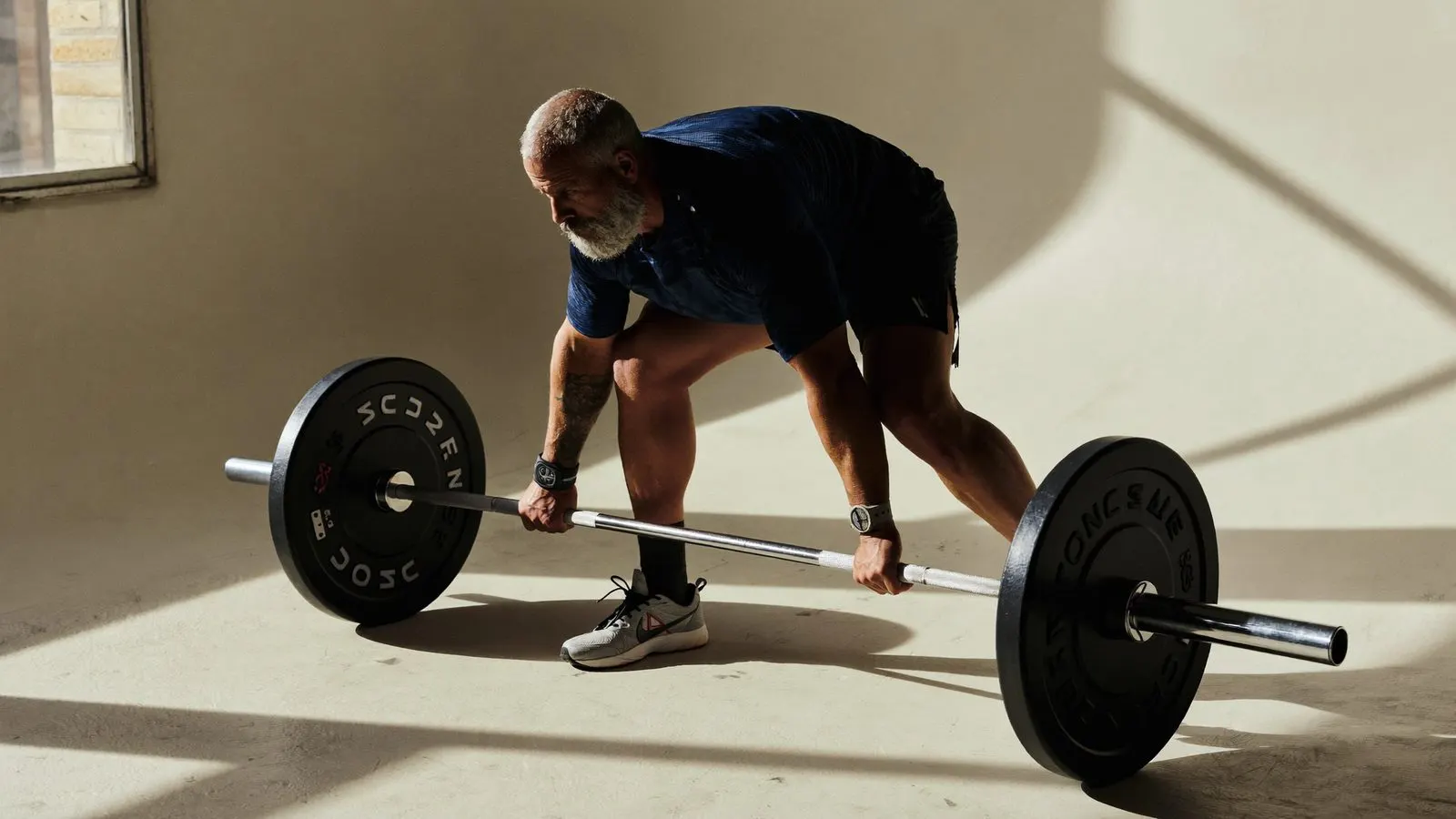
Resistance training, 2 to 3 times per week. Not bands waved around for ten minutes. Progressive loading across a squat, a hinge, a push, a pull, and a carry. Muscle is kept by being used against resistance during a deficit; walking alone does not send that signal. Two full-body sessions of 40 minutes cover most of the benefit for most people.
Track strength, not just scale weight. The scale cannot tell fat from muscle. If your weight is dropping 1% per week and your dumbbell rows are getting weaker, you are likely losing the wrong tissue. Strength holding steady or rising during a GLP-1 phase is the cheapest lean-mass monitor available. Bioimpedance or DEXA every 8 to 12 weeks adds a second check.
A note on rate: faster is not better. A loss rate above roughly 1% of body weight per week makes lean-mass preservation much harder. If the scale is falling faster than that and food intake feels impossible to raise, that is a conversation for your prescriber, not a reason to self-adjust the dose. Dosing decisions belong with the physician who wrote the prescription.
What this looks like in coaching
Clients on GLP-1s at the practice run the same system, adjusted for appetite reality.
Week one establishes the protein floor before anything else: 1.6 g/kg, with a 30 g breakfast anchor, usually Greek yogurt plus whey or eggs, because breakfast is the meal appetite suppression deletes first. Liquid protein is the fallback on rough days, not a failure.
Training is two full-body strength sessions per week minimum, three when recovery allows, with loads progressing whenever rep quality permits. Steps stay above a personal floor, typically 7,000 to 8,000, because non-exercise movement quietly collapses on these medications.
Every fourth week we review three numbers: weight trend, grip and main-lift strength, and protein average. If strength is sliding, we slow the loss and raise protein before touching anything else.
The clients who follow this finish their GLP-1 phase smaller, stronger, and with a body composition that looks like an athlete cut weight, not like an illness. Same drug, different inputs, completely different outcome.
This article is educational and is not medical advice. Diego Botezelli is a researcher and coach, not a physician — he does not diagnose, treat, or prescribe. Talk to your doctor before changing medication, supplements, or training, especially if you have a health condition or take prescription drugs.
On a GLP-1 and want to keep your muscle?
I coach GLP-1 clients alongside their prescribing clinician’s plan: protein targets, strength training and body-composition tracking, with the aim of losing fat while keeping the muscle you have.