Pilates vs Strength Training: What Your Body Needs
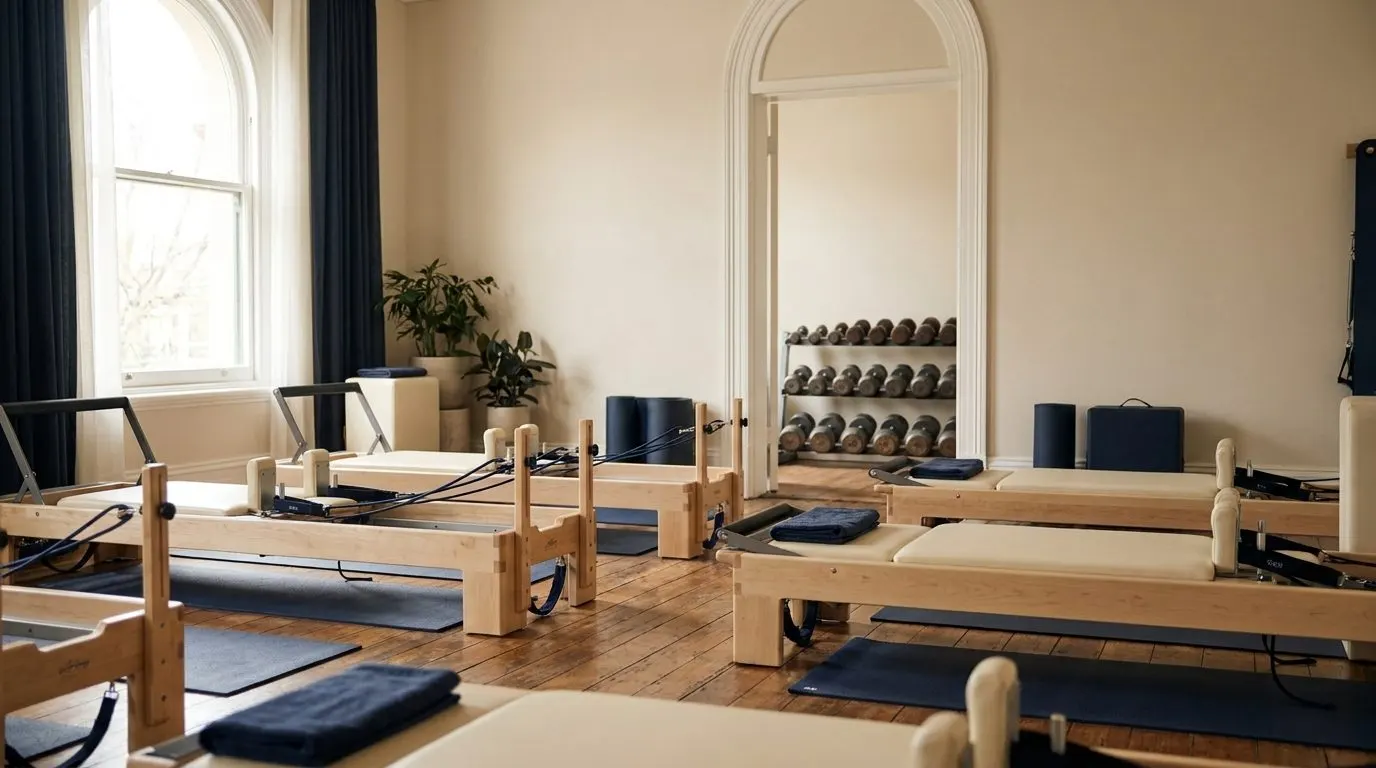
Pilates finished 2025 as the number one workout on ClassPass for the second consecutive year, and the demographic driving it, women between 30 and 55, is exactly the demographic with the most to lose from getting this next distinction wrong.
Pilates is exercise. Strength training is a specific stimulus. They are not interchangeable, and the marketing around “long, lean muscles” has blurred a line that midlife physiology insists on keeping sharp.
What the pilates evidence actually shows
A meta-analysis of eleven randomized trials in adults with overweight or obesity found that pilates reduced body weight by about 2.4 kg and lowered BMI and body fat percentage versus controls. It also found something the studio brochures omit: no significant effect on lean body mass and no significant change in waist circumference (Wang et al., 2021, Frontiers in Physiology, PMID 33776797).
Read both halves. Pilates is genuinely better than sitting at home, burns calories, improves core control, balance and flexibility, and people enjoy it enough to keep going, which is worth a great deal. And it does not build meaningful muscle. The trials are mostly small and short, a real limitation, but the lean-mass result matches the mechanism: muscle grows in response to progressive overload, loads that approach the muscle’s capacity and keep increasing. A reformer spring and body weight, cycled through high repetitions, plateaus as a stimulus within months.
The “long, lean muscles” promise deserves a sentence of honest endocrinology: muscle length is fixed by where tendons attach, and muscle shape is genetic. No modality lengthens a muscle. What people see in the mirror after months of pilates plus a calorie deficit is fat loss with modest muscle retention, attributed to the brand.
Why midlife raises the stakes
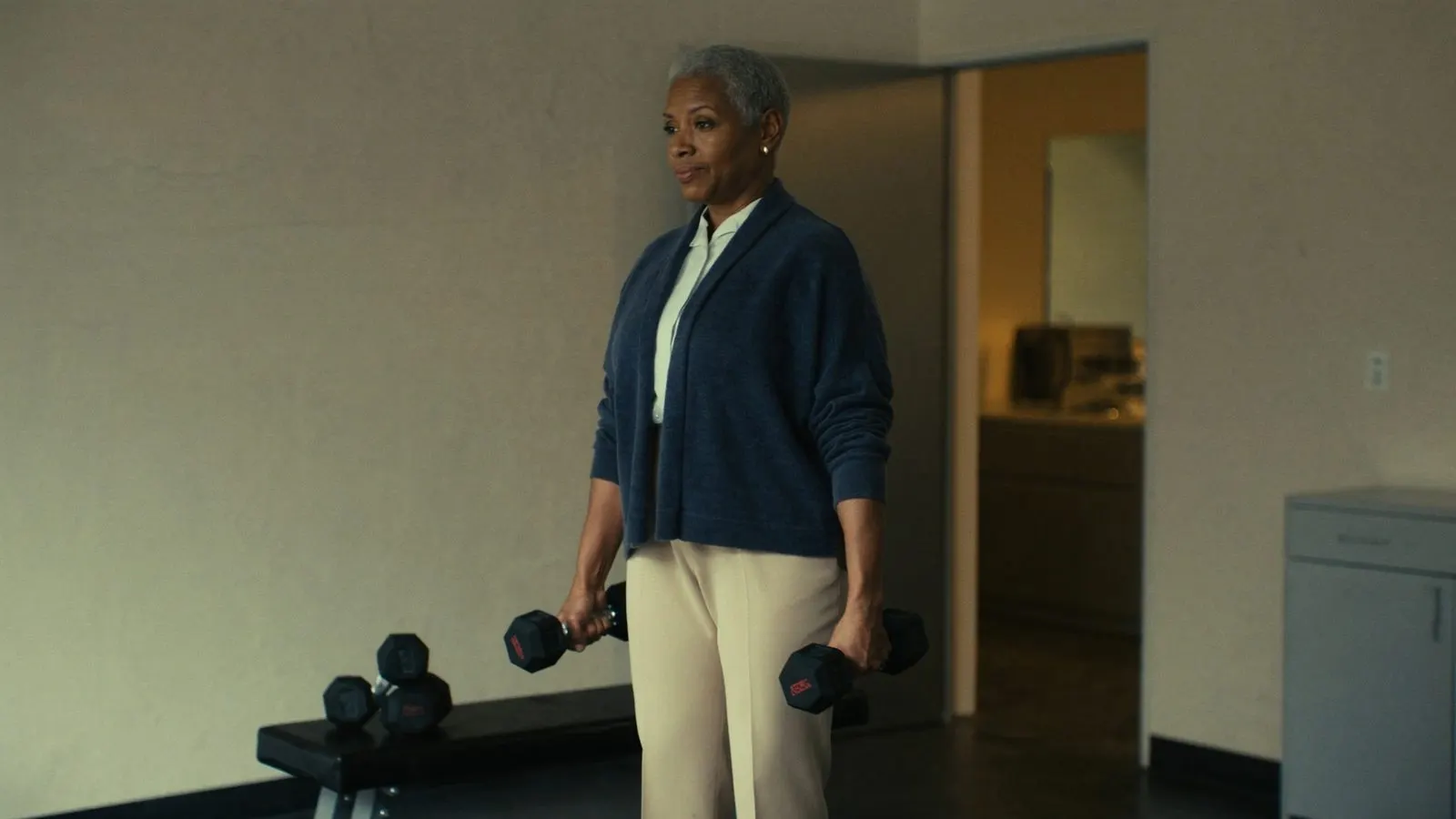
Between 35 and menopause, women lose muscle slowly; through the menopause transition, the loss accelerates, and bone follows, with hip bone density dropping 1 to 2% per year in the years around the final period. The two tissues respond to the same prescription: progressive load, heavy enough to be a challenge, applied for years.
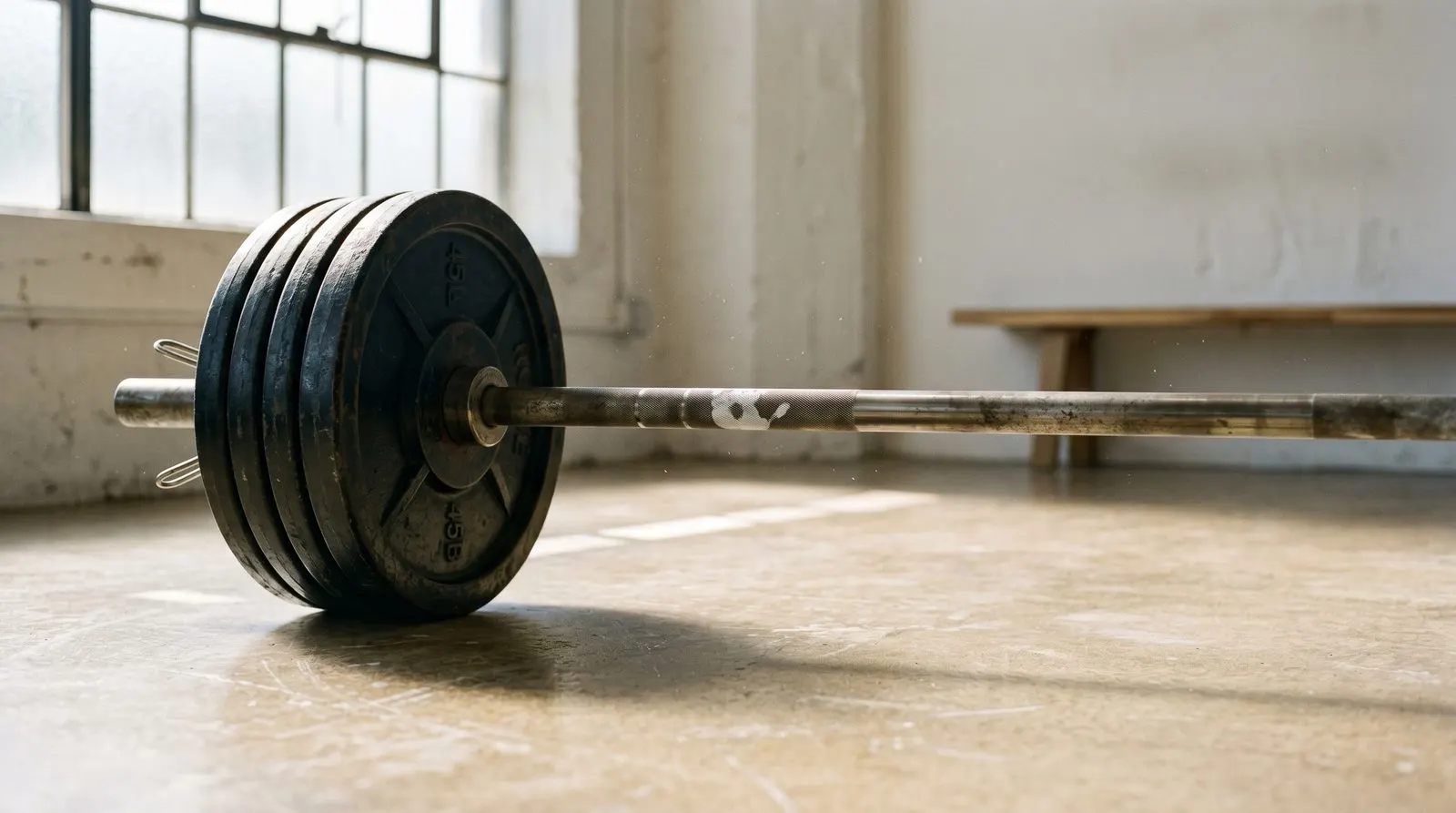
This is precisely what typical pilates does not provide and what strength training is. Squats, hinges, presses and rows with loads that climb over time are the best-documented non-drug intervention for preserving both muscle and bone through midlife. Pilates trials, by contrast, show little effect on bone density, which is unsurprising given the low skeletal loading.
The decision is not pilates or lifting. It is whether anything in your week supplies progressive overload. If pilates is your everything, the answer is currently no.
Keeping both, structured properly
The combination is excellent. Pilates delivers core control, hip and spine mobility, body awareness and a movement practice people genuinely love, which lifting programs borrow against all the time. Lifters with pilates backgrounds learn bracing and positioning noticeably faster.
A week that covers midlife physiology looks like: two progressive strength sessions, 35 to 50 minutes, built on the big patterns and loads that feel hard by rep eight; one to three pilates classes for everything pilates is actually good at; walking most days. Nothing needs to be dropped. Something needs to be added.
What this looks like in coaching
Roughly a third of the women who come to the practice in their 40s and 50s arrive as dedicated pilates clients, often three to five classes a week, frustrated that body composition stopped changing a year ago. We never take pilates away. We take two of those weekly slots and convert them into loaded sessions.
The first eight weeks are about teaching the difference in intent: a goblet squat at a weight that makes rep ten honest, a Romanian deadlift heavy enough to feel in Thursday’s hamstrings. Most clients are startled by how light “heavy” starts and how fast it climbs; a typical first-year trajectory takes a 12 kg goblet squat to a 30 kg-plus barbell squat.
What changes by week sixteen, on our bioimpedance and tape measurements, is the thing five classes a week could not move: lean mass up 1 to 2 kg, waist down, and for the first time in years, the trajectory of bone and muscle pointed the right way for the next three decades.
Keep the classes you love. Just make sure something in your week is getting heavier.
This article is educational and is not medical advice. Diego Botezelli is a researcher and coach, not a physician — he does not diagnose, treat, or prescribe. Talk to your doctor before changing medication, supplements, or training, especially if you have a health condition or take prescription drugs.
Want a training plan built on this evidence?
Every program is periodized from the same literature this article cites, then adjusted to your body composition, your schedule and your training history.