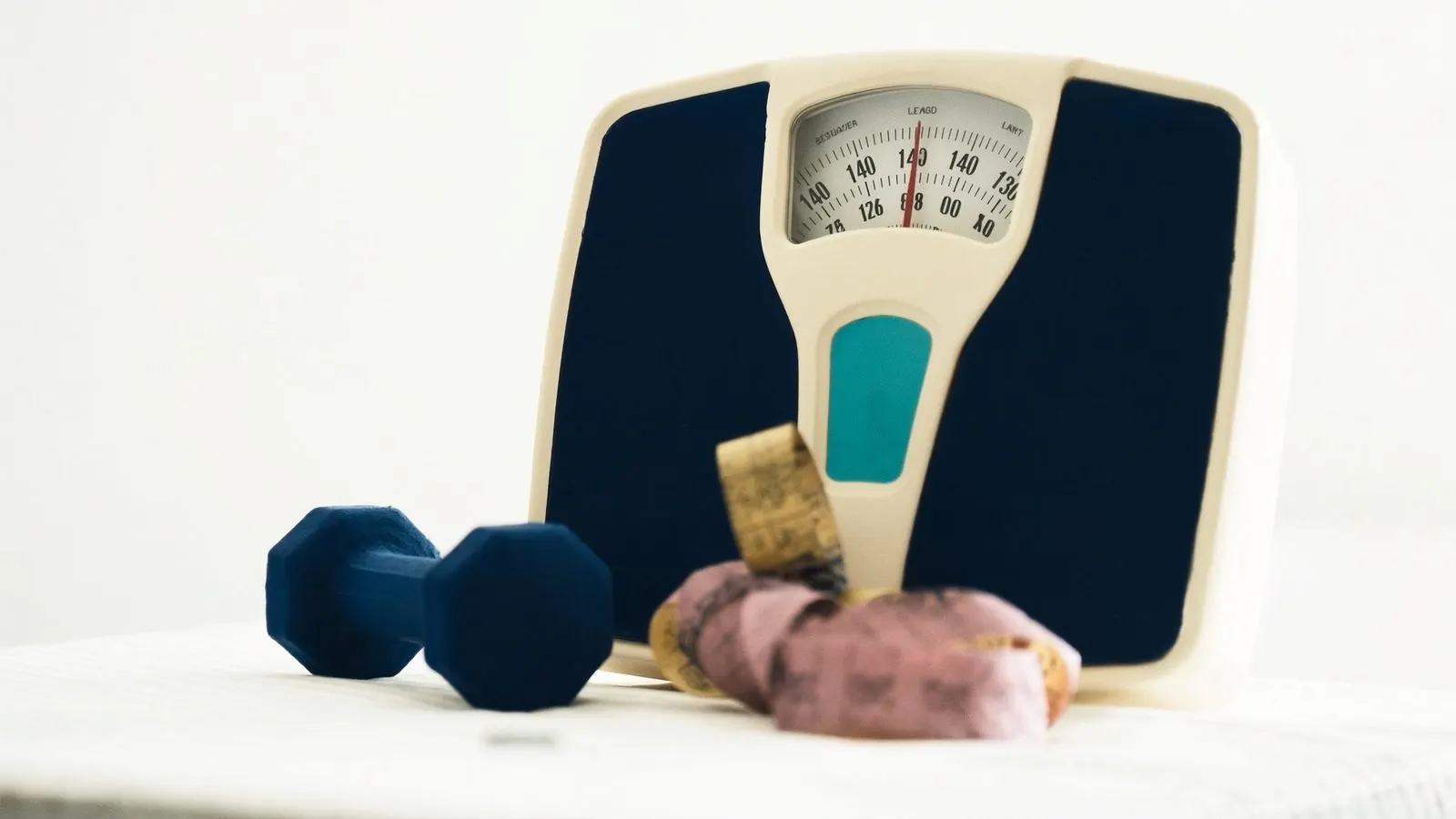
Bioimpedance, DEXA, And What Body Composition Tracking Is Actually For
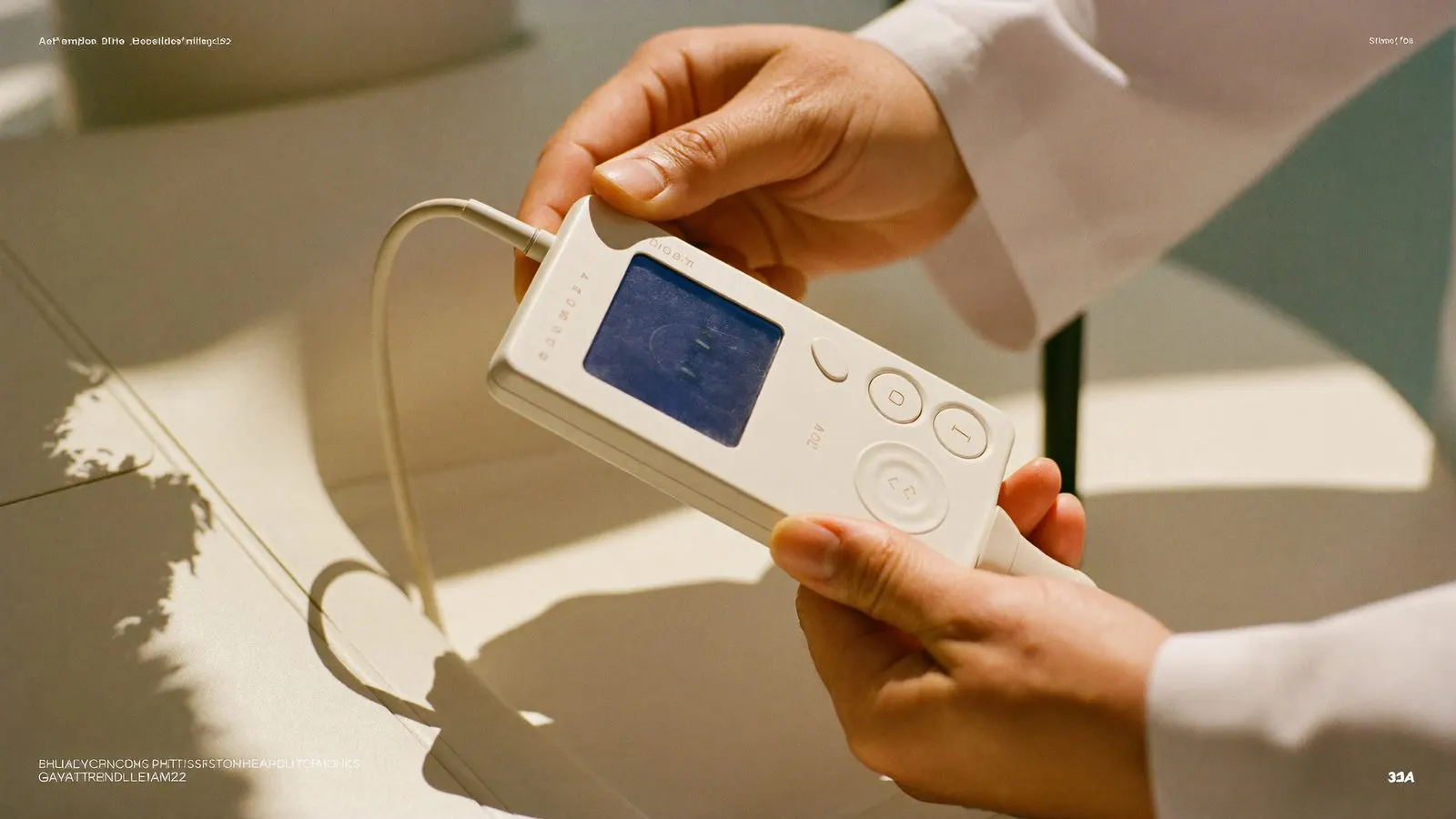
There is a quiet civil war in the body composition tracking world. The DEXA people think bioimpedance is junk. The bioimpedance people think DEXA is overkill. The Bodymetrix ultrasound people think both are missing the spatial picture. And the practitioners who actually coach humans usually end up using a mix, because each tool answers a different coaching question.
What each tool actually measures
DEXA (dual-energy X-ray absorptiometry) uses two low-dose X-ray beams to differentiate bone, fat, and lean tissue. A whole-body scan takes 6–10 minutes and gives a regional breakdown (arms, legs, trunk) plus visceral fat estimate and bone density. Accuracy is the highest of any clinical tool — error is typically ±1–2% for body fat. Cost is the highest too: $100–250 per scan, and it requires booking with a clinic.
BIA (bioimpedance analysis) runs a small electrical current through the body and measures resistance. Lean tissue conducts current well (high water content); fat resists it. From the impedance reading the device estimates total body water, lean mass, fat mass, and segmental composition. The accuracy of a SINGLE reading depends heavily on hydration status, recent eating, and time of day — error against DEXA can be ±3–5%. But the REPEATABILITY under standardized conditions (same time of day, same hydration, same device) is excellent, often ±0.5%.
Bodymetrix ultrasound is a hand-held probe that measures subcutaneous fat thickness at standardized sites. It’s less commonly used than the other two but provides something neither offers: a spatial map of where the fat is. Useful for tracking response in specific regions when total body fat isn’t moving fast.
Tape measure sounds like a downgrade and isn’t. Waist circumference is one of the strongest single predictors of cardiometabolic risk in the literature, often outperforming BMI and rivaling DEXA’s visceral fat estimate (Ross et al., 2020, Nature Reviews Endocrinology, PMID 32020062). It’s free, it’s repeatable, and it tells you something the other tools sometimes miss — whether your fat distribution is improving.
What each one is good for
Diagnostic and baseline: DEXA. A single high-quality DEXA gives a reference point that’s accurate enough to plan a 12-week program against.
Weekly or biweekly tracking during a program: BIA. Once the baseline is set, the SAME bioimpedance device, same time of day, same hydration protocol, gives a trend that’s accurate enough to coach off of. Absolute body fat percentage may be off, but the DELTA week over week is reliable.
Visualizing regional progress: Bodymetrix or DEXA. If a client’s overall body fat is dropping but they’re frustrated because the trouble area isn’t, a regional measurement often confirms that the deltas ARE happening — just slower in that zone, which is normal physiology.
Cardiometabolic risk monitoring: Tape measure waist circumference. Track it monthly. A drop of 4–6 cm in waist over 12 weeks correlates with measurable improvements in fasting glucose, lipid profile, and visceral adipose tissue on DEXA.
What the practice uses, and why
The in-person programs use BIA + Bodymetrix every 4–6 weeks as the core repeatable measurement, with tape measure waist + hip + thigh weekly. The Elite program adds indirect calorimetry for resting metabolic rate at baseline and follow-up (separately measuring a different question).
Online clients don’t have access to in-studio BIA. They use a standardized at-home protocol: a smart scale with bioimpedance taken at the same time every morning, fasted, after bathroom, before water; photographs taken at the same time of day in the same lighting; and tape measurements at three sites. The redundancy is the point — no single home measurement is precise enough, but THREE of them moving in the same direction is reliable.
What body comp tracking can’t do
Body composition numbers are a lagging indicator. They confirm what the protocol produced. They don’t predict it.
The numbers also lie at the margins of week-to-week noise. A 0.3% bioimpedance change between two weekly readings is not real. A 1.5% change across four consecutive readings is real.
Finally, body comp tracking can become its own pathology. If a client is checking the scale daily and emotional about the noise, the right intervention is sometimes to TAKE AWAY the daily scale and replace it with monthly photos. The protocol works regardless; the client doesn’t need to suffer through the noise to benefit.
The summary: each tool answers a different coaching question. The mistake is picking one and ignoring what it misses. The expensive mistake is using all of them obsessively and letting the data drive the client into a hole.
This article is educational and is not medical advice. Diego Botezelli is a researcher and coach, not a physician — he does not diagnose, treat, or prescribe. Talk to your doctor before changing medication, supplements, or training, especially if you have a health condition or take prescription drugs.
Want this applied to your own physiology?
The same evidence standard behind this article runs through every program I write, in person in Port Coquitlam or online.