The 2026 Longevity Stack: What The Evidence Actually Supports

The longevity supplement market is now a $40 billion industry that mostly sells hope dressed as biochemistry. NAD+ precursors, resveratrol, metformin, rapamycin, peptides, methylene blue — every six months a new compound is anointed as the next breakthrough. Most of them have either weak evidence, evidence only in mice, or evidence so preliminary it shouldn’t yet be acted on.
A small number of interventions have strong evidence — usually decades of it. Those are the ones the practice recommends, in roughly this order of confidence.
Tier 1: Established beyond reasonable doubt
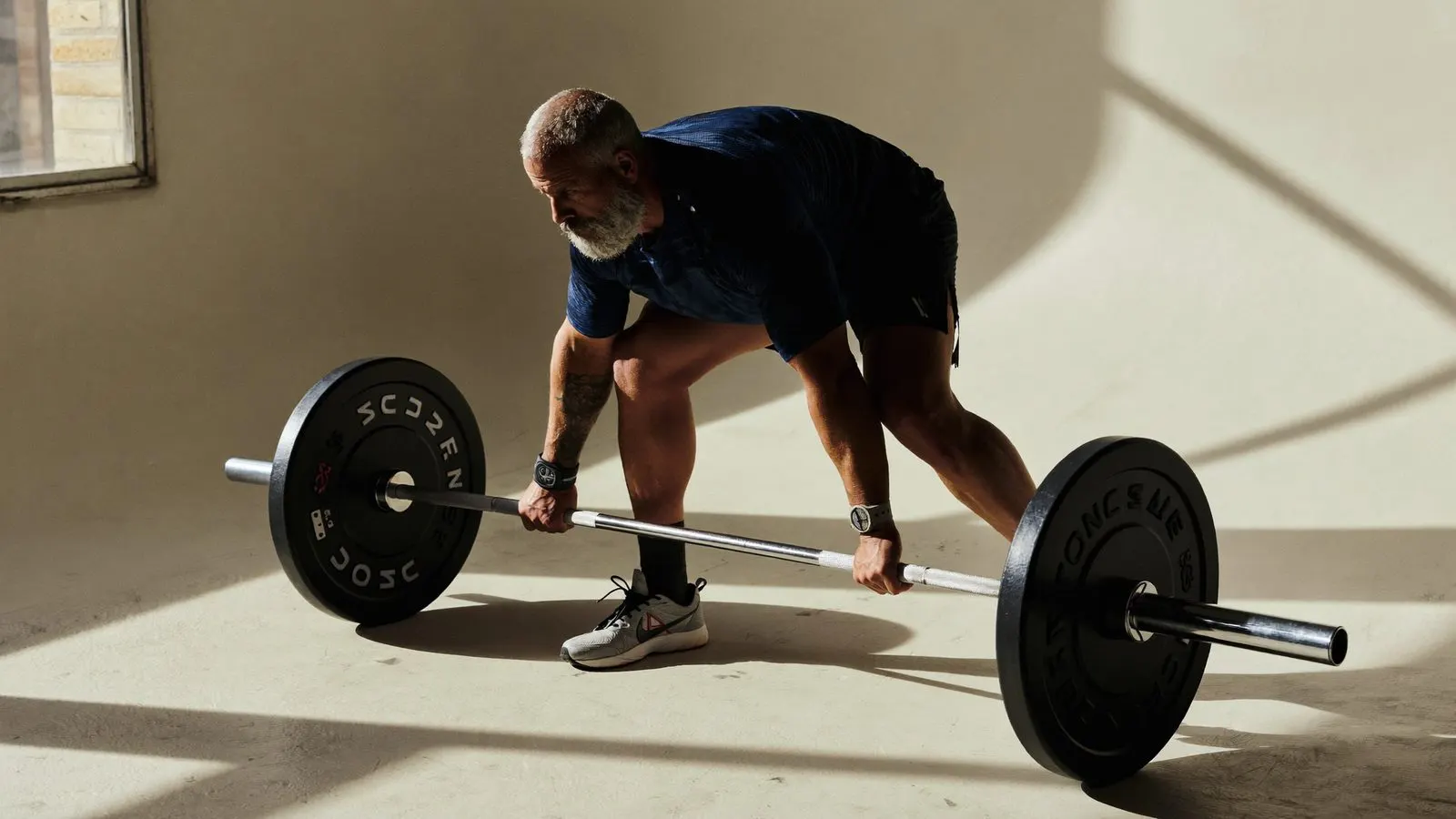
Resistance training, 2–3 times per week. The most well-evidenced longevity intervention in human history. Meta-analyses consistently show 15–25% reductions in all-cause mortality across age and gender (Liu et al., 2019, Br J Sports Med, PMID 30376511). No supplement comes close to the effect size.
Cardiovascular exercise, 150–300 minutes per week of moderate intensity. The other half of the exercise dose. Reduces cardiovascular mortality by 25–35% across longitudinal cohort studies. Both cardio and strength contribute, with mostly non-overlapping mechanisms.
Protein intake at 1.2–1.6 g/kg/day in adults over 50. Prevents sarcopenia, supports muscle protein synthesis, preserves the metabolic and structural reserve that determines healthspan (Bauer et al., 2013, J Am Med Dir Assoc; Phillips et al., 2020, Nutrients, PMID 32781289).
Sleep, 7–9 hours per night, in a dark cool room. Chronic short sleep raises all-cause mortality risk, increases insulin resistance, suppresses testosterone, suppresses growth hormone, and accelerates cognitive decline. The dose-response is established across dozens of cohorts.
Maintaining body composition in the healthy range. Visceral fat is metabolically active in the direction you don’t want. Maintaining waist circumference under regional thresholds (94 cm men, 80 cm women per IDF criteria) correlates with substantial reductions in cardiometabolic mortality.
These five interventions, applied together, account for the majority of preventable mortality risk reduction available to a healthy adult. No supplement adds more than a fraction of what any one of them adds.
Tier 2: Strong evidence in specific deficiencies or conditions
Vitamin D supplementation in deficient individuals. Roughly half of Canadians and most northern-climate adults are vitamin D deficient by clinical criteria. Correcting deficiency (typically 1000–4000 IU daily) improves bone density, immune function, and possibly insulin sensitivity. Supplementing already-sufficient individuals does not show additional benefit.
Omega-3 (EPA + DHA) at 1–2 g/day in individuals with low dietary fish intake. Reduces triglycerides modestly, supports cardiovascular health, supports brain health in those with marginal intake. Benefits in already-sufficient individuals are smaller.
Creatine monohydrate, 5g/day. Long-considered an athletic performance supplement, accumulating evidence supports benefits in older adults for muscle preservation, cognitive performance, and possibly bone health. Safety profile is excellent across 30+ years of study.
Magnesium, 200–400 mg/day in individuals with low dietary intake. Supports sleep quality, glucose handling, and cardiovascular function. Most adults eating low-vegetable diets are sub-optimal in magnesium.
Tier 3: Promising but unsettled — talk to your physician
Metformin in non-diabetics. Some evidence for healthspan benefits in mice and observational evidence in humans, but the major randomized trial (TAME) is still in progress. Prescribed off-label by longevity clinics; not currently a practice recommendation outside of clear metabolic indication.
Rapamycin. Strong animal data, including primate data. Limited human longevity data. Side effect profile is real. Not a recommendation outside of clinical trials.
NAD+ precursors (NR, NMN). Strong cellular biology, mixed human data. Some short-term trials show metabolic improvements, others don’t. Insufficient to recommend broadly; not harmful at typical doses.
Peptide injections (BPC-157, TB-500, etc.). Limited human data. The marketing has outrun the evidence. Caution.
Tier 4: Not currently recommended
Most “longevity supplement stacks” sold online. The combination effects are unstudied, the dosing is often arbitrary, and the cost is high.
Resveratrol in pill form. The seminal mouse data didn’t replicate in humans at the doses anyone is willing to take.
High-dose vitamin E, beta-carotene, or multivitamins in healthy individuals. The Mayo Clinic and Cochrane consensus is that these don’t extend healthspan and a few (vitamin E, beta-carotene) may modestly increase mortality at high doses.
What this means in practice
The Tier 1 interventions are the work. Most clients spending money on Tier 3–4 supplements would get larger longevity returns by reallocating that money to a coaching program, better food, or a gym membership.
That isn’t a sales pitch — it’s what twenty years of literature actually says.
If you’re in the latter half of life and want to optimize healthspan, the protocol that has the best evidence is the unglamorous one: lift, walk, sleep, eat protein, fix deficiencies, maintain body composition. Add Tier 2 supplements when there is a documented gap. Reserve Tier 3 for conversations with a physician who knows the data.
This article is educational and is not medical advice. Diego Botezelli is a researcher and coach, not a physician — he does not diagnose, treat, or prescribe. Talk to your doctor before changing medication, supplements, or training, especially if you have a health condition or take prescription drugs.
Want this applied to your own physiology?
The same evidence standard behind this article runs through every program I write, in person in Port Coquitlam or online.