Berberine: Is 'Nature's Ozempic' Real or Hype?
The “nature’s Ozempic” nickname has stuck to berberine for three years now, which says more about marketing than pharmacology. Berberine and the GLP-1 drugs work through completely different mechanisms and produce completely different results. The comparison is not close.
Berberine is a plant compound that activates an enzyme called AMPK, which improves how cells handle glucose. That mechanism makes it far more similar to metformin than to any GLP-1 medication. GLP-1 drugs work on appetite signaling in the brain and gut. Berberine does not switch off food noise or suppress appetite. It nudges blood sugar.
What the trials actually show
The metabolic effects are genuine but small. A 2025 systematic review and meta-analysis of randomized placebo-controlled trials found berberine reduced fasting plasma glucose, triglycerides, and waist circumference, with waist circumference dropping about 3.3 cm versus placebo (Frontiers in Pharmacology, 2025, PMID 40740996). Helpful, but a few centimeters off the waist is not a body transformation.
On blood sugar specifically, a meta-analysis in type 2 diabetes found berberine lowered fasting glucose and HbA1c with effects in the range you would expect from a modest glucose-lowering agent (2021, Frontiers in Endocrinology, PMID 34956436). Some trials put it roughly on par with metformin for glucose control. That is a real finding, and also exactly the point: it behaves like a weaker, less-studied metformin, not like a GLP-1.
The weight numbers tell the story. Berberine trials show roughly 2 to 3 kg of weight loss over months. GLP-1 medications produce 15 to 20% of body weight in the responder trials. Calling a 2 kg supplement “nature’s Ozempic” is like calling a bicycle nature’s airplane. Both move you, on different scales entirely.
The purity problem
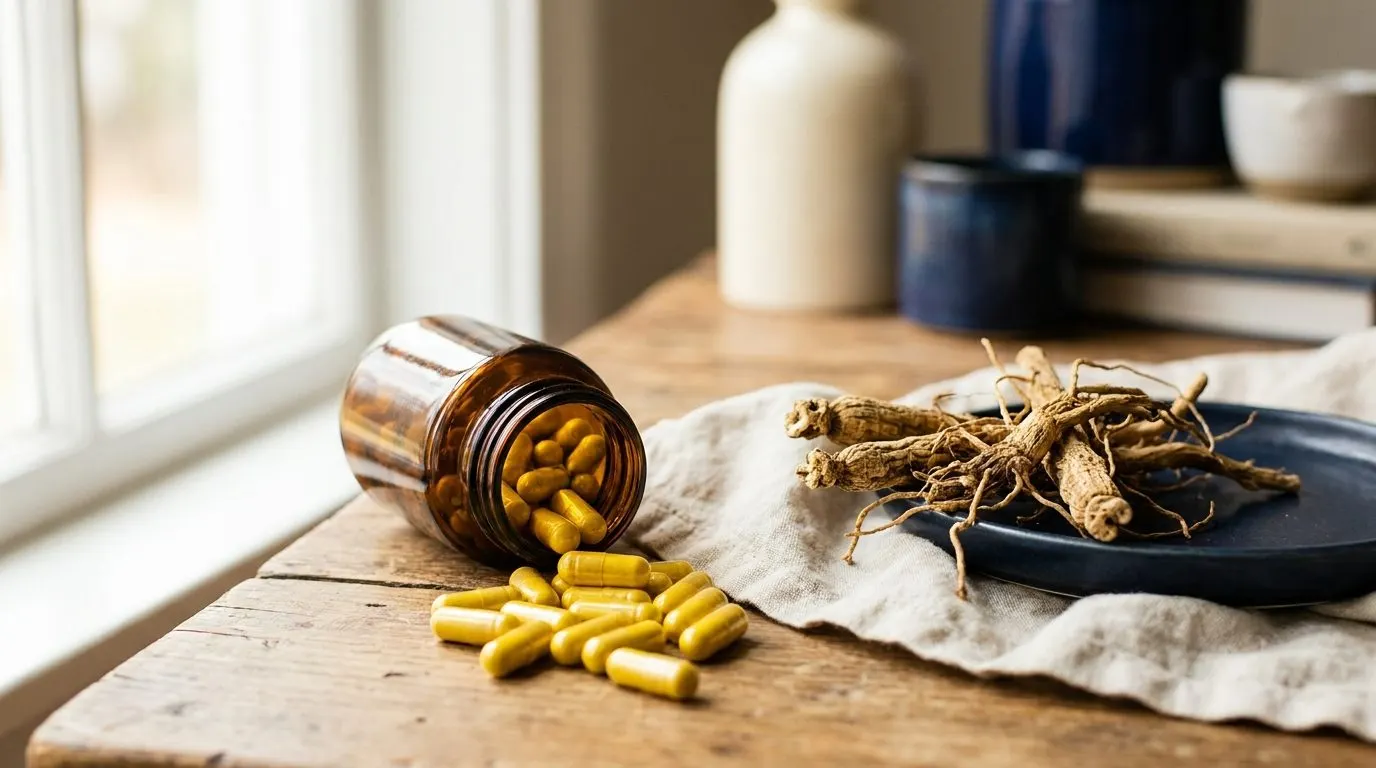
Berberine is sold as a supplement, which means it is not regulated like a drug. Third-party testing of botanical supplements regularly finds products with less active compound than the label claims, or with contaminants. Two bottles labelled the same can differ substantially in what they actually contain. With a prescription metformin or GLP-1, you know the dose. With a berberine capsule, you are trusting a label that no agency verified.
Berberine also interacts with a number of medications and can cause real GI upset, cramping, and diarrhea, especially at the higher doses used in studies. It is not a free, consequence-free hack.
Why the nickname spread anyway
It helps to understand why a modest glucose supplement got branded as a miracle. GLP-1 drugs were expensive, hard to access, and surrounded by stigma for the first years of the boom. Berberine was cheap, available without a prescription, and easy to frame as a natural alternative. The label was never about the science. It was about filling demand that the medications, at the time, could not.
That context matters because access has changed. Oral GLP-1 options and broader availability mean the “I can’t get the real thing” argument carries less weight than it did. The supplement still costs months of effort for a fraction of the result, and now there is less reason to settle for it if the goal is genuine weight loss.
What this looks like in coaching
I do not steer people toward berberine as a weight-loss tool, because the effect size does not justify the cost or the months spent hoping. For someone with insulin resistance or early glucose issues who is set against medication and committed to lifestyle change, it is a defensible minor add-on. I would rather they earn the same glucose benefit through losing visceral fat and lifting, both of which improve insulin sensitivity more reliably than any capsule.
I am also honest about the dosing reality. The trial doses that produced effects were typically around 500 mg taken two or three times a day, and at those amounts GI side effects, cramping, loose stools, nausea, are common enough that some people quit before they finish a bottle. So even the modest benefit comes with a tolerability tax that the “gentle natural alternative” framing leaves out.
The decision tree is simple. If you have a metabolic condition that warrants treatment, that is a medical conversation, and metformin or a GLP-1 are real, dosed, studied options. If you are chasing GLP-1-level fat loss, no supplement delivers it, and burning six months on a nickname only delays the conversation that would actually help. Berberine is a modest glucose tool wearing a costume. Judge it as the costume comes off.
And for anyone determined to try it, I add one non-negotiable: tell your physician, especially if you take other medications, since berberine affects the same liver enzymes that process many common drugs. A “natural” label does not exempt it from real interactions.
This article is educational and is not medical advice. Diego Botezelli is a researcher and coach, not a physician — he does not diagnose, treat, or prescribe. Talk to your doctor before changing medication, supplements, or training, especially if you have a health condition or take prescription drugs.
On a GLP-1 and want to keep your muscle?
I coach GLP-1 clients alongside their prescribing clinician’s plan: protein targets, strength training and body-composition tracking, with the aim of losing fat while keeping the muscle you have.