TRT and Fat Loss: Who Benefits, Who's Being Sold

In 2025 the FDA removed the black-box cardiovascular warning from testosterone products, and the telehealth TRT industry responded the way industries do: ads everywhere, intake quizzes that diagnose in ninety seconds, and clinics offering a prescription before a second blood draw. Searches for TRT surged. So did the number of men in my practice asking whether testosterone is the missing piece of their fat loss.
The regulatory change rests on real data. The TRAVERSE trial randomized 5,246 middle-aged and older men with hypogonadism and elevated cardiovascular risk to testosterone gel or placebo and found no excess in major adverse cardiac events over roughly three years (Lincoff et al., 2023, New England Journal of Medicine, PMID 37326322). For genuinely hypogonadal men, the cardiac fear that froze prescribing for a decade has softened considerably. That is good medicine. It is also, in the wrong hands, excellent marketing.
What TRT actually does to body composition
In men with properly diagnosed low testosterone, replacement reliably shifts body composition: lean mass rises and fat mass falls, typically by 1–3 kg in each direction across trial durations — a recomposition, not a weight-loss event. The Testosterone Trials, which treated 790 men over 65 with documented low levels for a year, found modest but real improvements in sexual function, mood and some physical measures (Snyder et al., 2016, New England Journal of Medicine, PMID 26886521). Insulin sensitivity and visceral fat distribution tend to improve alongside.
Notice what is absent from that list: dramatic scale loss. TRT does not create a calorie deficit. A man expecting GLP-1-style numbers from testosterone has been sold a story. What replacement does, in the right candidate, is restore the hormonal environment in which training builds muscle and a deficit removes fat instead of lean tissue — an enabler, not an engine.
Who benefits, and who is being sold
The legitimate candidate has both pieces: consistent symptoms — low libido, erectile dysfunction, fatigue, depressed mood, loss of morning erections — and unambiguous labs, meaning testosterone measured before 10 am on two separate days, with causes investigated. Hypogonadism by that standard is common enough to matter in men over 45, and for those men, treatment after a real diagnosis is simply medicine.
The oversold customer looks different, and I meet him weekly. He is 42, sleeps six hours, drinks most nights, carries 110 cm of waist, and his single afternoon lab read 11 nmol/L — lowish, technically. A clinic quiz called it “suboptimal” and offered a subscription. Here is what the quiz did not mention: obesity itself suppresses testosterone, and a meta-analysis of 24 studies shows weight loss raises it dose-dependently — roughly 2.9 nmol/L from dieting and 8.7 nmol/L after bariatric surgery (Corona et al., 2013, European Journal of Endocrinology, PMID 23482592). His low reading is substantially a symptom of the body composition he wants TRT to fix. Treating the symptom can mean a lifetime prescription for a problem six months of training might have reversed.
There are real trade-offs to weigh even for good candidates: suppressed fertility while on therapy, hematocrit monitoring, the practical reality that exogenous testosterone is usually a long-term commitment. TRAVERSE answered the heart question for its population; it did not make testosterone a casual supplement.
The questions to bring to your physician
This decision belongs in a doctor’s office, not a checkout flow, and the quality of the office matters. Worth asking: Are we doing two morning draws before any prescription? What is causing the low value — weight, sleep apnea, medications, pituitary? What happens to my fertility, and does that matter to me in the next five years? What are we monitoring, and how often? And the question that filters clinics fastest: what would have to be true for you to recommend against treating me? A clinic with no answer to that is a vendor, not a practice.
What this looks like in coaching
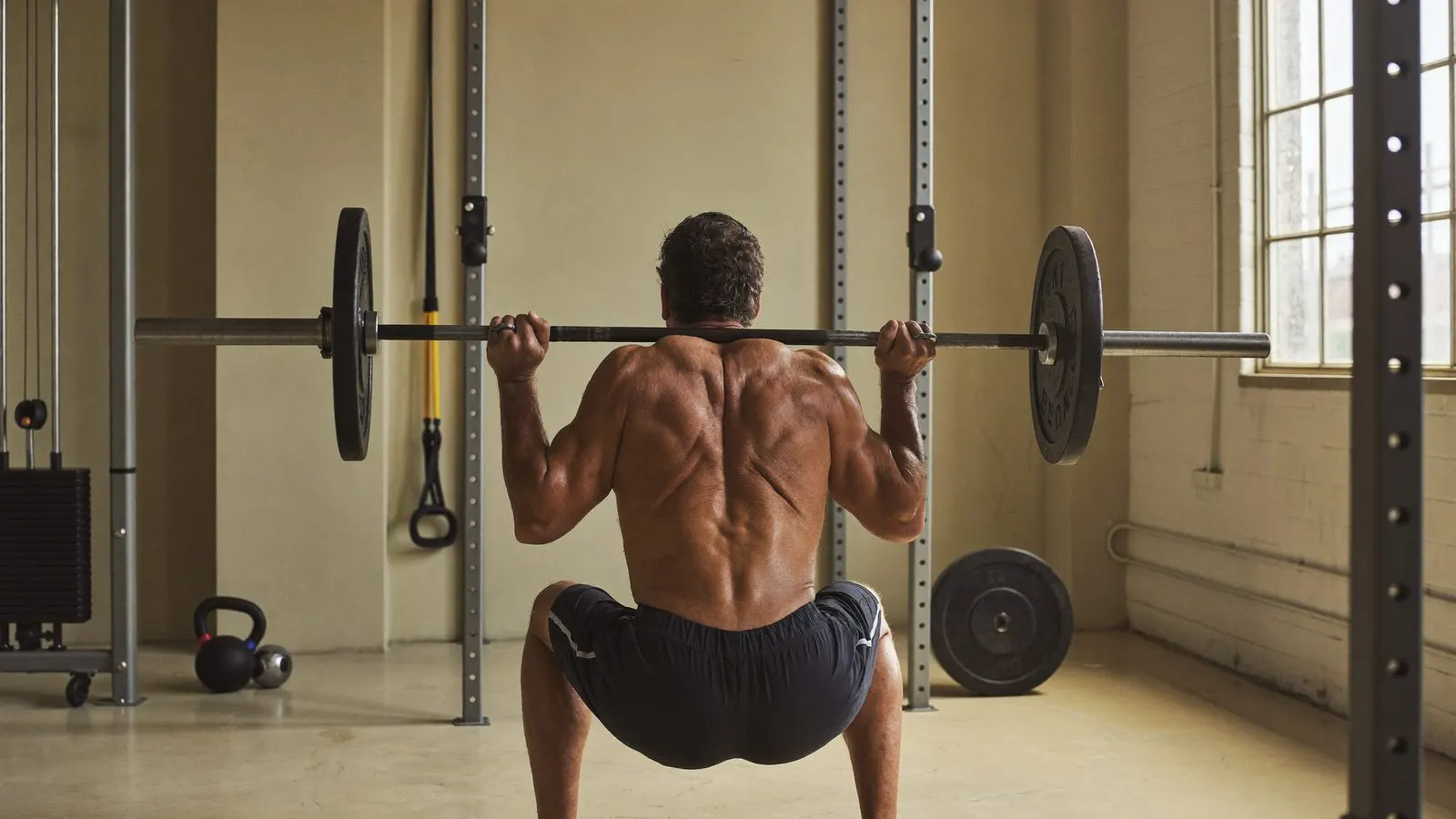
I coach men on TRT and men who will never need it, and the program is nearly identical, because testosterone does not lift the weights. Replacement without resistance training wastes most of its body-composition potential; the hormone creates capacity for muscle that only loading converts into actual tissue.
When a client suspects low testosterone, the sequence at my practice is fixed. First, 90 days of the reversible causes: sleep extended past seven hours, alcohol audited, three lifting sessions weekly, a moderate deficit if the waist demands it. Symptoms persisting after that earn a referral for proper morning labs and a physician conversation, with his training and body-composition data in hand so the doctor sees the whole picture.
For clients who start treatment, nothing about the plan relaxes — protein stays at 1.6–2.2 g/kg, the progressive lifting stays, the step floor stays. The ones who do both are the ones whose 12-month recomposition justifies the prescription. TRT is real medicine for the right man, properly diagnosed. It is an expensive subscription for the man who needed a barbell, a bedtime and an honest 90 days first.
This article is educational and is not medical advice. Diego Botezelli is a researcher and coach, not a physician — he does not diagnose, treat, or prescribe. Talk to your doctor before changing medication, supplements, or training, especially if you have a health condition or take prescription drugs.
Want this applied to your own physiology?
The same evidence standard behind this article runs through every program I write, in person in Port Coquitlam or online.