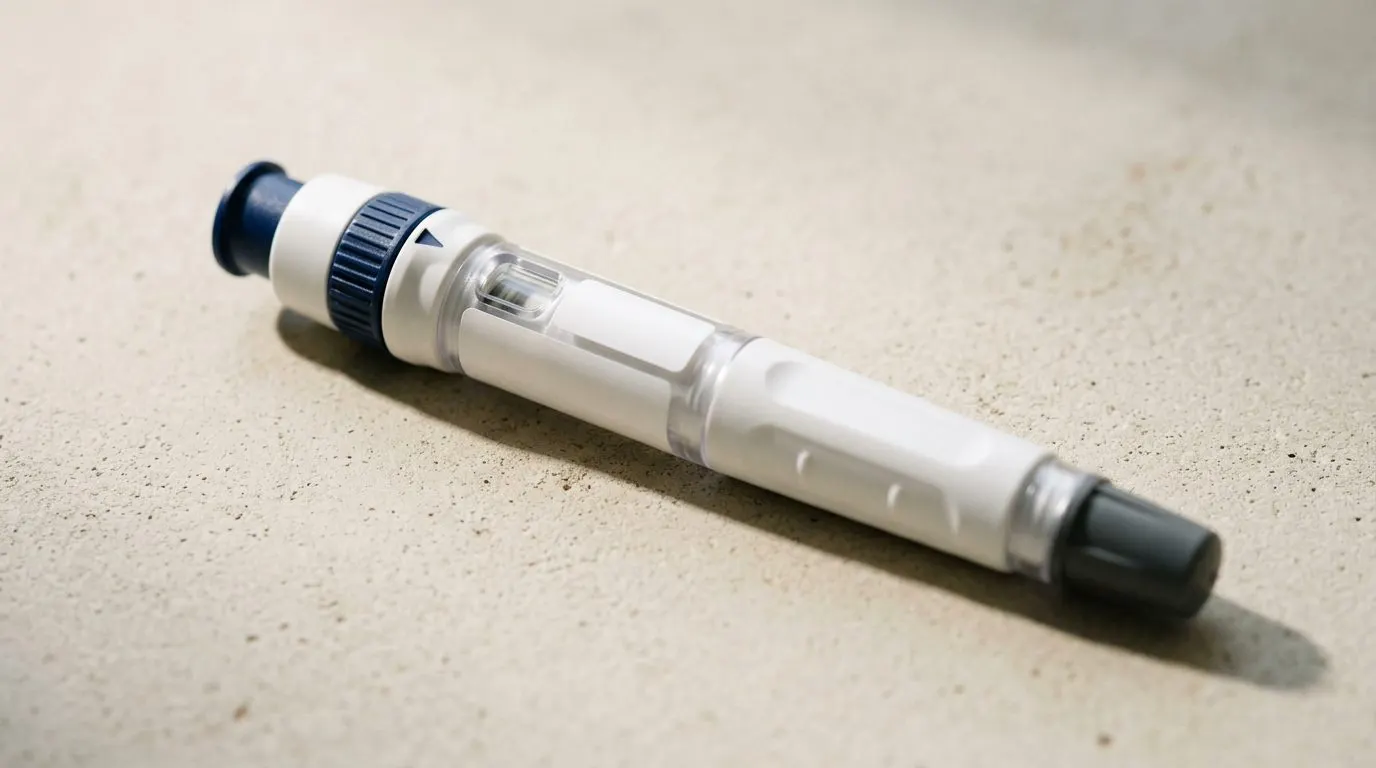
The Wegovy Pill and Oral GLP-1s: What's Changed
Three million prescriptions in the first few months. That is how fast oral Wegovy moved after its January 2026 launch, and it says less about the pill than about how many people wanted a GLP-1 but could not face a weekly needle, or could not reliably get one through the injectable supply chain.
The science behind the pill is not new. OASIS 1 tested oral semaglutide 50 mg daily in adults with overweight or obesity and produced 15.1% average weight loss over 68 weeks, with 85% of participants losing at least 5% (Knop et al., 2023, The Lancet, PMID 37385278). That is in the same neighborhood as injectable semaglutide 2.4 mg. Real-world labeling and analyses put the oral number slightly lower, around 13 to 14%, against roughly 15% for the injection. Close enough that adherence, not format, will decide most outcomes.
Behind it comes orforglipron, a small-molecule oral GLP-1 that needs no food and water restrictions. In its 72-week phase 3 trial in adults with obesity, the highest dose produced roughly 12% average weight loss (Wharton et al., 2025, New England Journal of Medicine, PMID 40960239). Slightly less potent than the peptides, dramatically easier to manufacture at scale, and a pill. The era of oral GLP-1s is not coming. It arrived.
What the pill changes
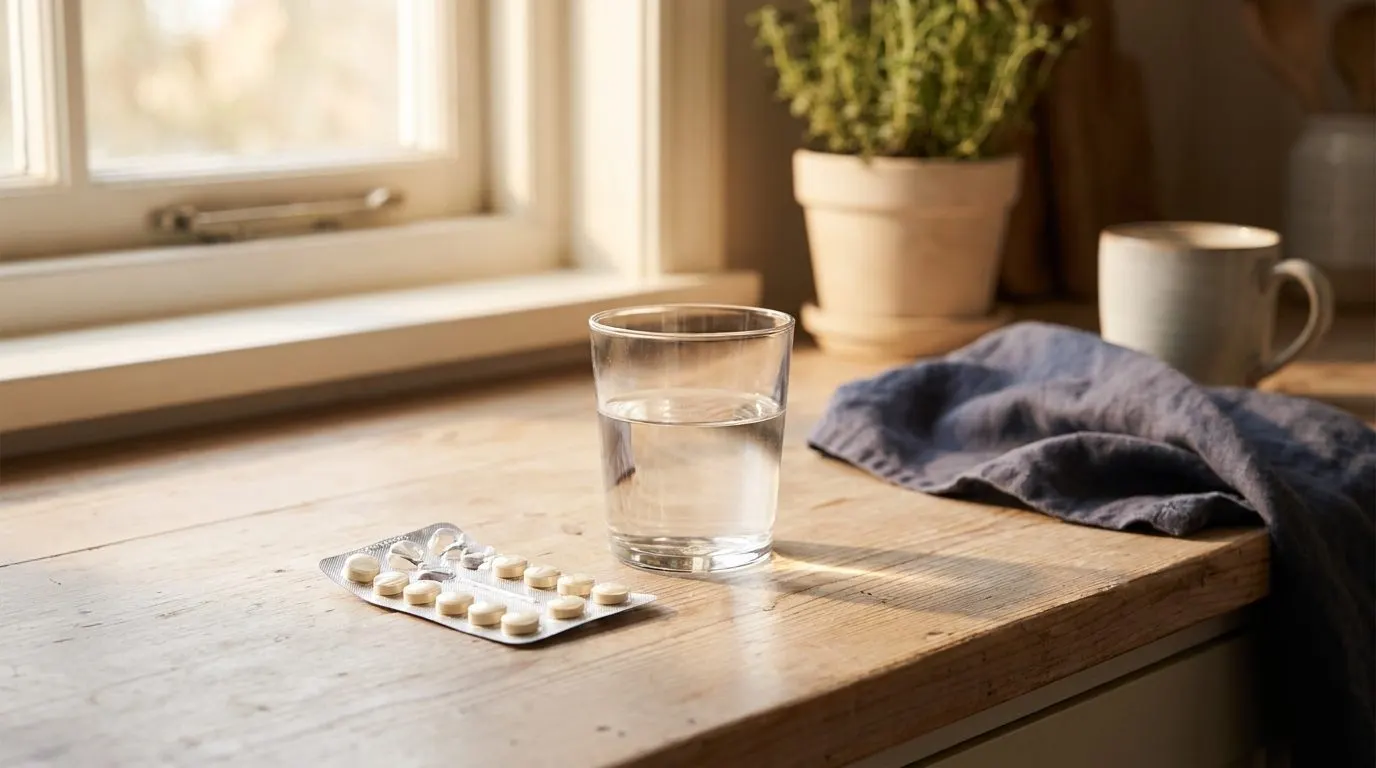
Access, mostly. No injection training, no sharps disposal, no cold chain. Small-molecule pills like orforglipron can be stamped out like statins, which over time should pressure prices downward and ease the shortages that have plagued injectables. For the needle-averse, the barrier to starting treatment just dropped to the height of a water glass.
The discipline requirements moved, though; they did not disappear. Oral semaglutide is a fussy molecule: taken on an empty stomach, with no more than about 120 mL (4 oz) of water, then 30 minutes of waiting before food, drink or other medications. Every day. Skip the ritual and absorption, already a small percentage, drops further. A weekly injection asks for discipline once a week. The pill asks every morning. Some people find that easier. Some find it much harder. Be honest about which you are, and work out format questions with your prescriber.
What the pill does not change
Biology. Oral or injected, the molecule lands on the same receptors and does the same thing: suppresses appetite, slows gastric emptying, quiets food noise. Which means it carries the same body-composition risks the injectables do.
Appetite suppression still crushes protein intake. Rapid loss without resistance training still takes lean mass along with fat, a pattern documented across the GLP-1 trials. Stopping without an installed lifestyle still leads to regain. The GI side effects are still the main complaint; in OASIS 1, 80% of the semaglutide group reported gastrointestinal adverse events, mostly mild to moderate, against 46% on placebo.
Nothing about swallowing instead of injecting exempts anyone from the muscle-first rules: protein at 1.6 g per kg or better, strength training two to three times weekly, a loss rate near 1% of body weight per week, and strength tracked alongside scale weight.
One practical note for the pill specifically: the empty-stomach, 30-minute rule collides with the high-protein breakfast we build for almost every client. The fix is simple sequencing. Pill on waking, coffee and breakfast 30-plus minutes later. The breakfast does not get sacrificed; it gets scheduled.
What this looks like in coaching
When clients ask “pill or injection?”, the honest answer is: the one you will still be taking correctly in month eight, chosen with your prescriber. Format is a medical and logistical decision. Our job starts after it.
For clients on oral GLP-1s, the morning routine is built in week one: medication at wake-up, a timer, then the 30 to 40 g protein breakfast that anchors the day. We watch early-titration weeks closely, because nausea plus a daily pill ritual is where adherence quietly dies, and any dose or tolerability issue goes straight back to the physician.
Everything else runs identically to the injectable playbook: protein floor, two to three lifting sessions, step floor, monthly strength and body-composition review. The delivery device changed. The job description did not.
This article is educational and is not medical advice. Diego Botezelli is a researcher and coach, not a physician — he does not diagnose, treat, or prescribe. Talk to your doctor before changing medication, supplements, or training, especially if you have a health condition or take prescription drugs.
On a GLP-1 and want to keep your muscle?
I coach GLP-1 clients alongside their prescribing clinician’s plan: protein targets, strength training and body-composition tracking, with the aim of losing fat while keeping the muscle you have.