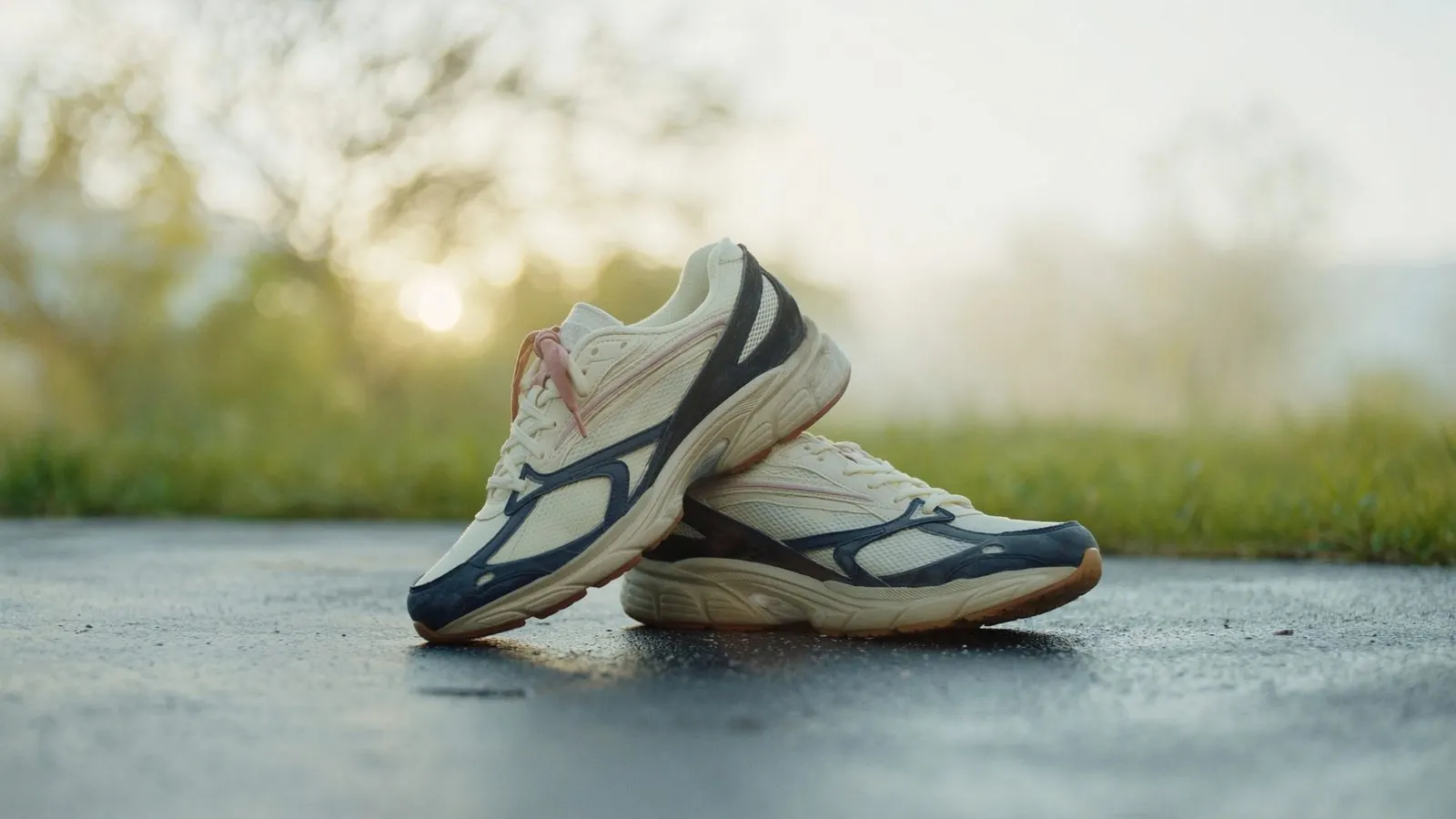
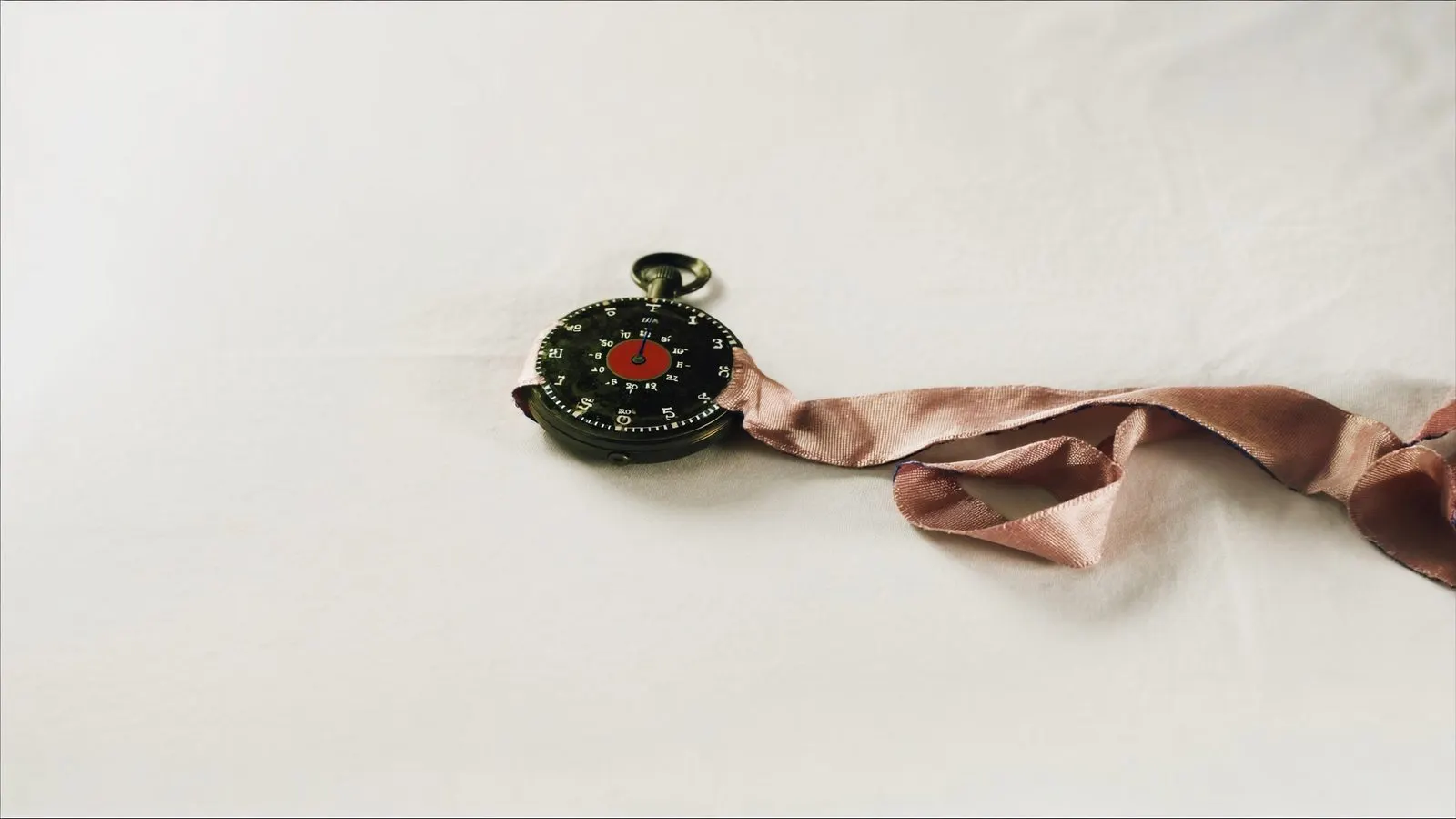
Japanese Walking: The 3-Minute Interval Trend, Tested

Searches for “Japanese walking” grew nearly 3,000% in 2025, the fastest rise of any fitness trend that year. Most viral fitness trends are marketing with a soundtrack. This one is different: behind the hashtag sits a real research program from Shinshu University in Matsumoto, Japan, with two decades of trials behind it.
The protocol is almost insultingly simple. Walk three minutes at a brisk pace, hard enough that holding a conversation gets difficult. Walk three minutes easy. Repeat five times. That is 30 minutes, done four or more days a week.
What the original trial showed
The foundational study randomized over 240 middle-aged and older adults, average age around 63, to five months of either this interval walking or continuous moderate walking with a daily step target (Nemoto et al., 2007, Mayo Clinic Proceedings, PMID 17605959).
The interval group improved peak aerobic capacity by roughly 8 to 9%, increased thigh muscle strength by 13 to 17%, and dropped systolic blood pressure by about 9 mmHg. The continuous walking group, despite logging plenty of steps, improved almost none of those measures meaningfully.
That is the finding worth sitting with. The same modality, walking, produced clinically relevant changes in fitness, strength and blood pressure only when intensity alternated. Steady strolling maintained health. Intervals improved it.
Later work from the same group extended the results to glucose control and showed the gains held in people who kept the habit for years. The limitation is honest and worth naming: most of this research comes from one Japanese research group studying one population, and adherence in trials, with coaching and monitoring, runs higher than adherence in real life.
Why it works when steady walking doesn’t
Adaptation follows challenge. A comfortable walking pace stops challenging the cardiovascular system within weeks, because the body is efficient and the stimulus never escalates. The three-minute brisk segments push heart rate into a zone, roughly 70 to 85% of peak, that an untrained or deconditioned adult almost never visits on a normal walk.
Three minutes is also a clever dose. It is long enough to load the aerobic system properly, short enough that the next easy segment is always visible. People who would never agree to “run intervals” will agree to walk faster until the next lamppost. The psychology is half the design.
For fat loss specifically, keep expectations calibrated. Thirty minutes of interval walking burns somewhere in the range of 150 to 250 calories depending on body size and pace. That supports a deficit; it does not create one by itself. The blood pressure, fitness and glucose effects are the headline. The calorie burn is the footnote.
Who this fits
Interval walking is close to ideal for the person I see most often: 45 to 65, carrying extra weight, deconditioned, knees that complain about running, and a history of starting exercise programs too aggressively and quitting by week three.
It needs no equipment, no gym, no app. Rain matters in British Columbia, so a treadmill version works identically: alternate speed, or alternate incline at constant speed, which is gentler on shins.
Who it does not replace: anyone’s strength training. Walking at any intensity does not load muscle against meaningful resistance and will not preserve lean mass during a fat-loss phase. The Nemoto trial improved thigh strength from a deconditioned baseline; it will not do that for someone who already lifts.
What this looks like in coaching
At the practice, interval walking has become the default cardio prescription for new clients who arrive with low fitness and a GLP-1 prescription or a fat-loss target. The starting version is scaled down: two minutes brisk, three minutes easy, four rounds, three days a week. Most people reach the full five-by-three protocol within four to six weeks.
It slots into the week around the non-negotiables, which are two strength sessions. A typical template: lift Monday and Thursday, interval walk Tuesday, Saturday and one more day, easy steps everywhere else. The intervals never land the morning after legs.
Progress gets measured the way the research measured it. We retest a brisk one-kilometre walk time every eight weeks and track resting blood pressure at home. Clients who started unable to hold three brisk minutes routinely cut 60 to 90 seconds off that kilometre by week twelve, and the blood pressure change is often what their physician notices first.
A trend that asks you to walk a bit faster, half the time, with evidence behind it. They will not all be this good.
This article is educational and is not medical advice. Diego Botezelli is a researcher and coach, not a physician — he does not diagnose, treat, or prescribe. Talk to your doctor before changing medication, supplements, or training, especially if you have a health condition or take prescription drugs.
Want a training plan built on this evidence?
Every program is periodized from the same literature this article cites, then adjusted to your body composition, your schedule and your training history.