Losing the Dad Bod After 40: A No-BS Plan

The average North American man gains roughly half a kilogram to a kilogram per year through his 30s and 40s, and most of it lands on the midsection. By 45, the typical result is 10–15 kg above his age-25 weight, a softer chest, and a blood panel starting to drift. The internet named it the dad bod and made it lovable. The endocrinology is less charming.
Visceral fat — the deep abdominal kind — is not inert storage. It is hormonally active tissue. It converts testosterone to estradiol via aromatase, drives inflammation that suppresses the signal from brain to testes, and pushes insulin resistance that lowers testosterone further. Lower testosterone makes muscle harder to hold and fat easier to gain, which adds more visceral fat, which lowers testosterone again. The dad bod is not a look. It is a loop.
The loop runs in reverse too
The encouraging part of the literature is how responsive this system is. A meta-analysis of 24 studies found that weight loss raises testosterone in a clear dose-dependent way — low-calorie diets produced an average increase of roughly 2.9 nmol/L, and bariatric surgery, with its larger weight loss, about 8.7 nmol/L (Corona et al., 2013, European Journal of Endocrinology, PMID 23482592). The more fat lost, the bigger the hormonal recovery. Obesity-associated low testosterone is, in most cases, a consequence you can unwind rather than a sentence.
That finding reframes the project. You are not fighting your hormones to lose the gut. Losing the gut is the hormone therapy — the natural one, anyway. Men with persistent symptoms despite real lifestyle change should take that to a physician with proper morning labs, but the first prescription is the one below.
The plan: three boring pillars, no punishment
A moderate deficit, 300–500 kcal below maintenance. Not a 1,500-kcal crash, which strips muscle and tanks the very hormones you are trying to recover. Protein goes to 1.6–2.2 g per kg of body weight — for a 95 kg man, 150–190 g daily — because protein defends muscle in a deficit and kills most snacking on contact. Alcohol gets an honest audit: for many men it is 300–600 hidden kcal a day and a sleep wrecker besides.
Lifting three days a week, full body, built on squat, hinge, press, pull and carry. Progressive load is the entire point — the body keeps muscle it is forced to use. Sessions of 45 minutes cover it. Cardio supports the heart and the deficit, but lifting is what decides whether the weight you lose is fat or muscle.
A step floor, because daily movement is the largest controllable piece of energy expenditure. The classic overfeeding experiment showed differences in non-exercise movement explained a 10-fold spread in fat gain between people on identical surplus calories (Levine et al., 1999, Science, PMID 9880251). Eight to ten thousand steps daily, tracked, non-negotiable. Desk job is not an excuse; it is the reason.
What is deliberately absent: 75-day challenges, fasted 5 am bootcamps, keto purges. The all-or-nothing program produces week-two dropouts. The data on every transformation challenge graveyard says the same thing — intensity is easy to start and impossible to keep. Consistency compounds; punishment quits.
What this looks like in coaching
Men 40 to 55 are half my practice, and they arrive with the same two beliefs: that they need to suffer, and that their metabolism is broken. Both are wrong, and the first month is spent proving it.
Baseline first: weight, waist at the navel, bioimpedance, and — when symptoms suggest it — a nudge toward their physician for morning testosterone labs, twice, properly done. Then the pillars go in one at a time. Week one, three lifting sessions and nothing else changes. Week three, protein rebuilt around 40 g per meal. Week five, the deficit starts, sized so the scale drops 0.4–0.7 kg per week.
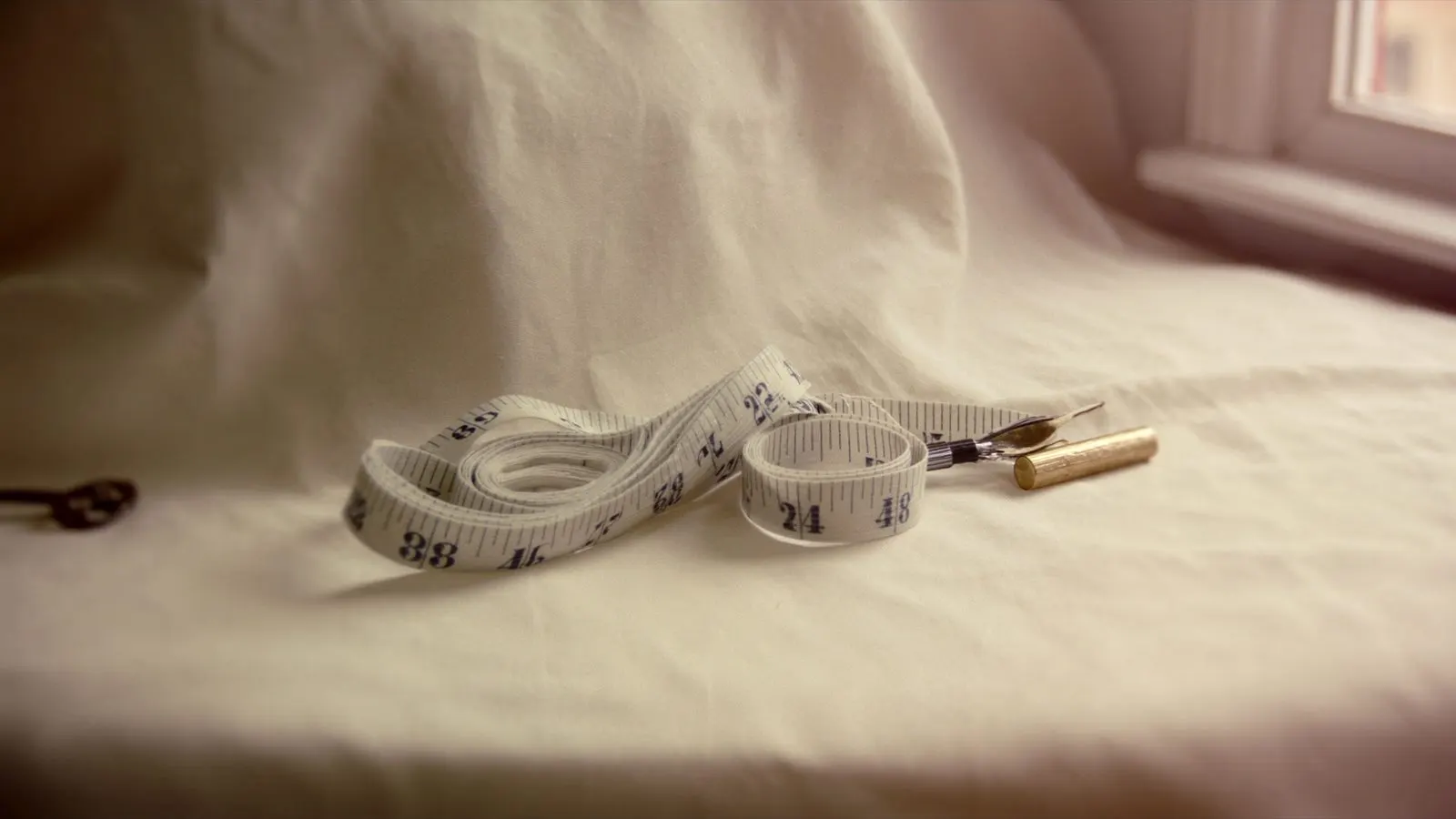
The waist tape is the honest metric. Scale weight stalls when a new lifter adds muscle while losing fat; the tape does not. Typical 16-week numbers in this group: 8–12 kg down, 8–10 cm off the waist, strength up across every lift, and — in the men who retest — bloodwork their doctor comments on.
The loop that built the dad bod took ten years of small, silent decisions. Sixteen honest weeks turn it around hard enough to see. Three lifts, a tracked plate, a daily walk. That is the whole secret, and it never needed to be sold to you in a challenge.
This article is educational and is not medical advice. Diego Botezelli is a researcher and coach, not a physician — he does not diagnose, treat, or prescribe. Talk to your doctor before changing medication, supplements, or training, especially if you have a health condition or take prescription drugs.
Want a training plan built on this evidence?
Every program is periodized from the same literature this article cites, then adjusted to your body composition, your schedule and your training history.