GLP-1 Microdosing: Trend, Evidence and Risks
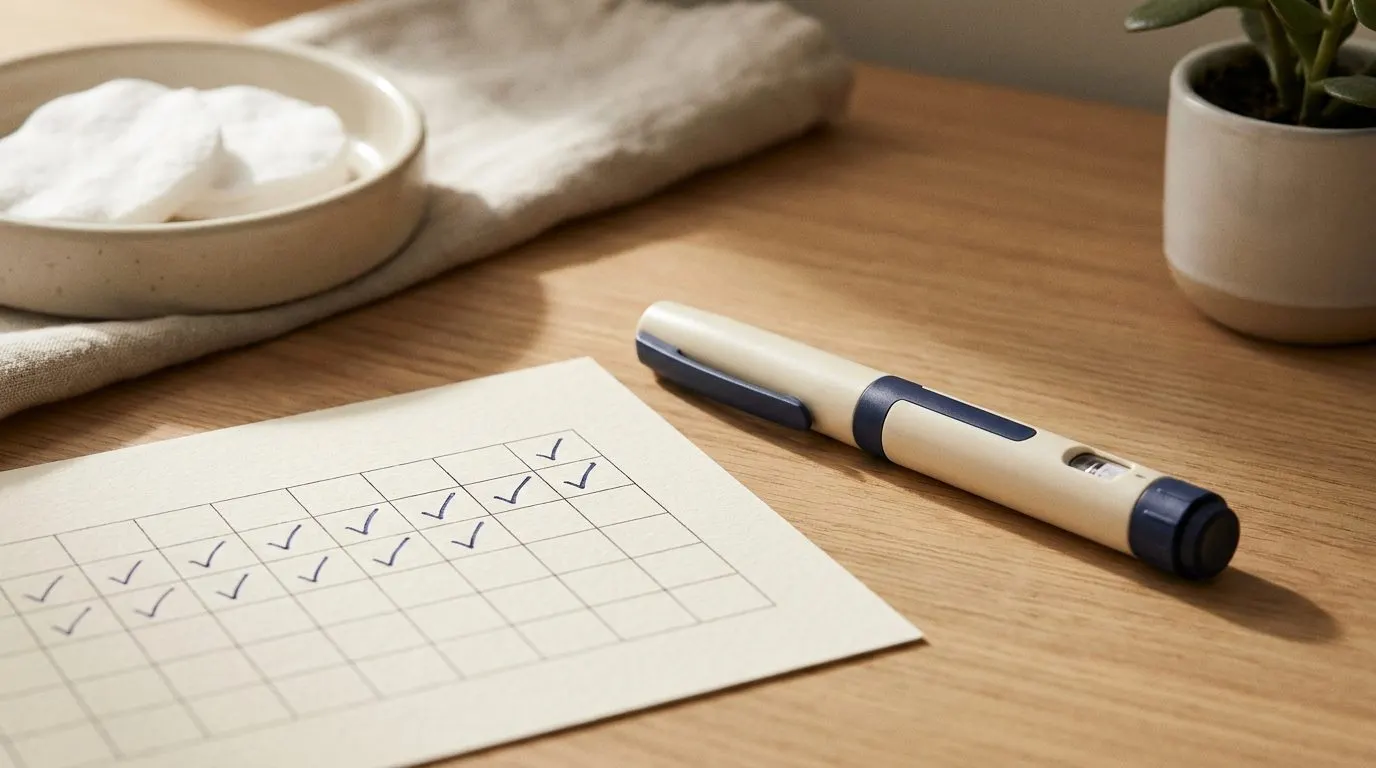
Survey data from 2025 puts the number of GLP-1 users taking less than their prescribed dose somewhere between one in seven and one in three, depending on who asked. Telehealth companies noticed and built products around it. “Microdosing” went from a psychedelics borrow-word to a weight-loss marketing category in under two years.
Here is the inconvenient part. The number of randomized controlled trials testing GLP-1 microdosing for weight management is zero. No efficacy data, no safety data, no dosing standards, no definition of what a microdose even is. Every claim you have read about it is extrapolation or testimonial.
What the actual trials tested
The registration trials used fixed, escalating doses. STEP 1 titrated participants up over 16 weeks to 2.4 mg of semaglutide weekly and held them there, producing an average 14.9% weight loss over 68 weeks (Wilding et al., 2021, New England Journal of Medicine, PMID 33567185). The published dose-response work shows lower doses produce real but smaller effects; lower doses of semaglutide were approved for type 2 diabetes years before the 2.4 mg obesity dose existed.
So a smaller dose is not nothing. It is also not the thing the headline results were built on. What we genuinely do not know is whether tiny, non-standard doses preserve enough appetite regulation to matter, for whom, and at what long-term cost or benefit. STEP 4 showed that withdrawing the full dose led to 6.9% regain within a year while continuing it produced further loss (Rubino et al., 2021, JAMA, PMID 33755728), but nobody has tested whether a low maintenance dose can hold the line. It might. The honest answer is that it has not been studied.
Legitimate version, risky version
There is a defensible practice hiding inside the trend, and it is older than the trend: staying at the lowest effective dose, under physician supervision, using the approved pen strengths. If 0.5 mg controls your appetite, your prescriber may see no reason to push to 2.4. That is ordinary, conservative titration. Clinicians have done it forever. It just was not called microdosing.
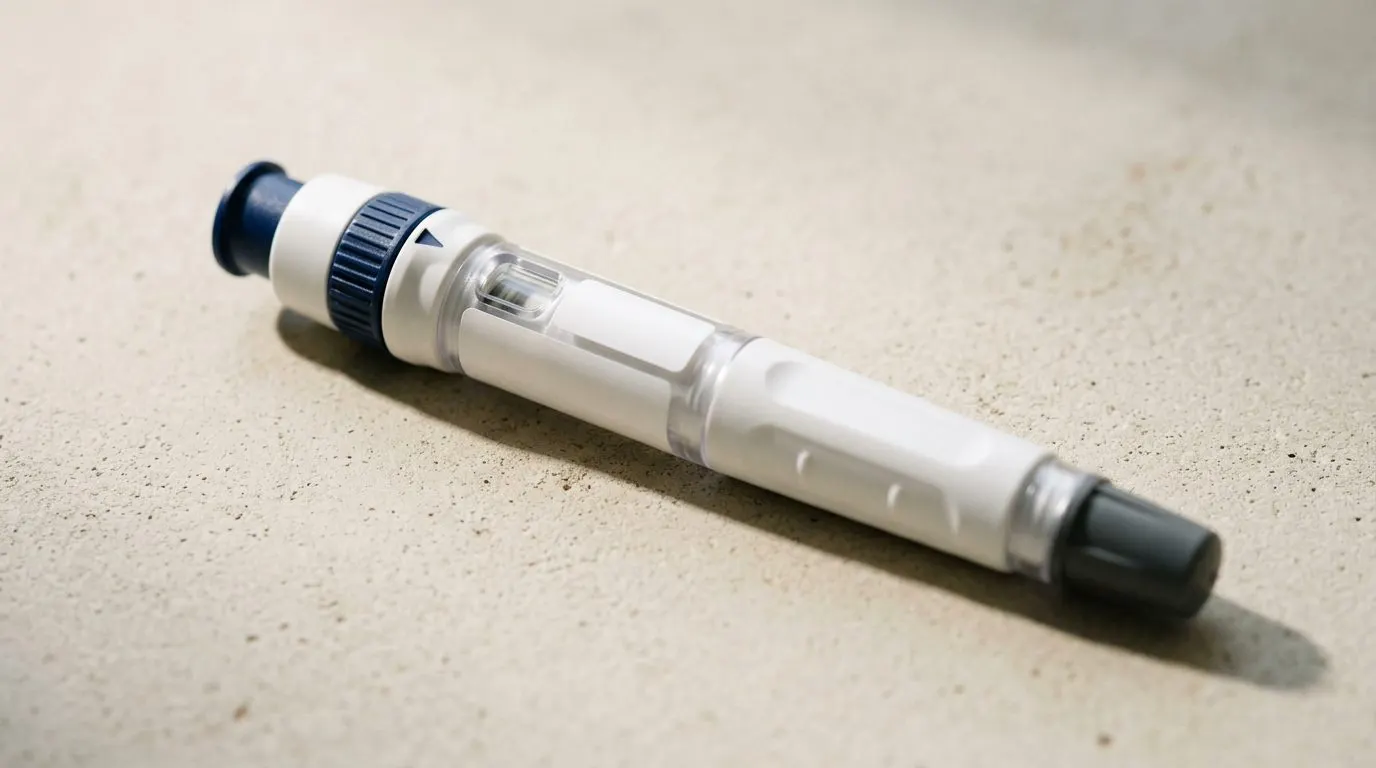
The risky version looks different. Splitting doses by counting pen clicks, a method the manufacturer never validated. Stretching one pen across double the weeks, with unknown stability once in use beyond label limits. And above all, DIY dosing of compounded GLP-1s drawn from vials with a syringe, where the concentration may differ from brand product and the dosing error lands on you. Poison control centers reported a sharp rise in GLP-1 dosing-error calls as compounding spread.
The motivations are understandable: cost, side effects, fear of “becoming dependent,” wanting just a little appetite help. Every one of those is a legitimate conversation to have with the prescriber, who can adjust dose, manage side effects, or switch agents inside the approved framework. None of them is solved well by improvising pharmacology at the kitchen counter.
One more thing the marketing omits: at very low doses you may get the worst trade available, real money and some side effects for an appetite effect too weak to change outcomes, plus the false confidence of “being on something.”
What this looks like in coaching
The practice does not make dosing decisions, full stop. Dose, taper, microdose, agent, all of it belongs to the prescribing physician. What coaching does is make any dose work harder.
When a client says they want to lower their dose, we put three questions on the table for their next medical appointment: What is the lowest approved dose that controls my appetite? Is my side-effect problem solvable with titration speed or timing? If cost is the issue, what are the covered alternatives?
Meanwhile, the body-composition levers do not care what dose you are on. Protein stays at 1.6 g per kg or better. Strength training stays at two to three sessions per week. The step floor stays defended. A client on a half dose with a complete protein and training system will beat a client on a full dose with neither, every time we have watched it play out.
The medication sets the appetite. The inputs still decide what your body is made of.
This article is educational and is not medical advice. Diego Botezelli is a researcher and coach, not a physician — he does not diagnose, treat, or prescribe. Talk to your doctor before changing medication, supplements, or training, especially if you have a health condition or take prescription drugs.
On a GLP-1 and want to keep your muscle?
I coach GLP-1 clients alongside their prescribing clinician’s plan: protein targets, strength training and body-composition tracking, with the aim of losing fat while keeping the muscle you have.