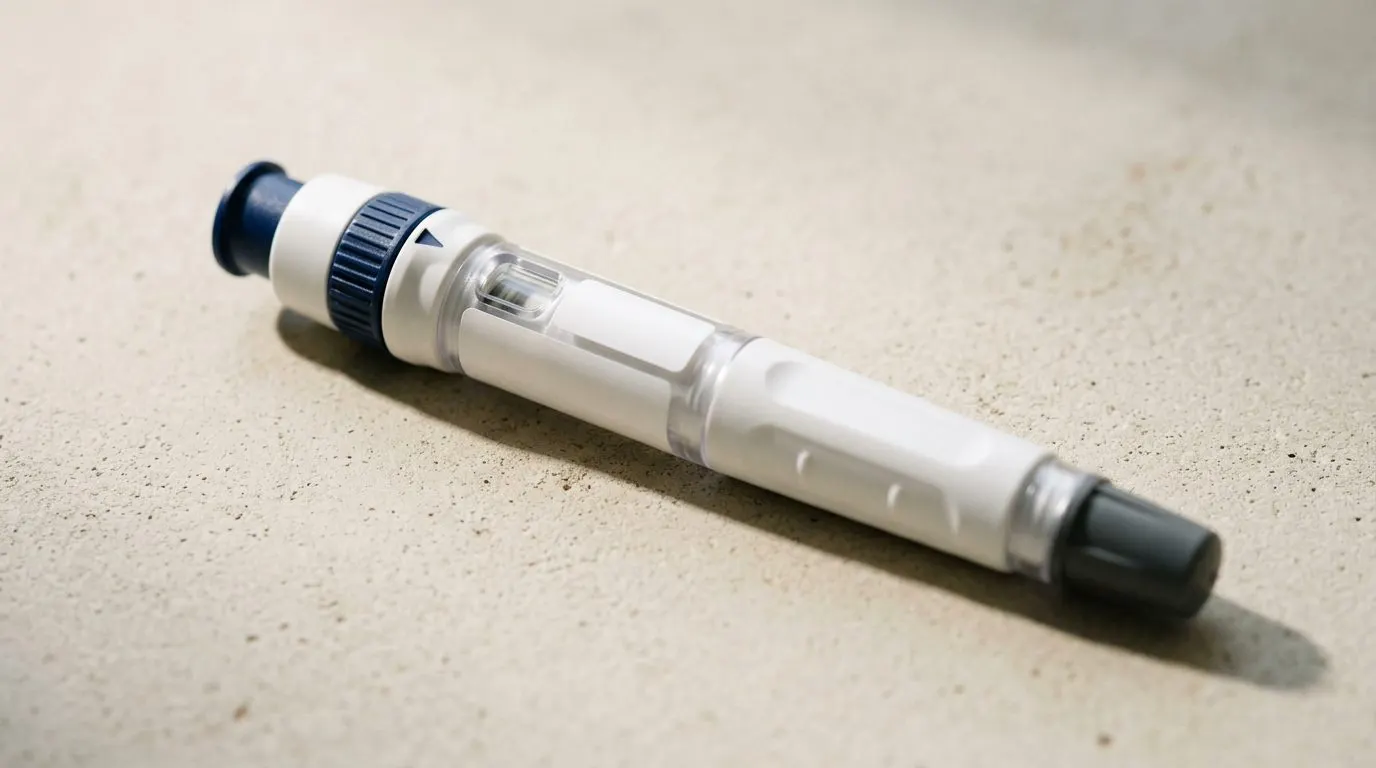
Coming Off Ozempic Without Regaining the Weight

One year after stopping semaglutide, participants in the STEP 1 extension had regained two-thirds of everything they lost. The numbers are blunt: 17.3% average weight loss during 68 weeks on the drug, then 11.6 percentage points back within a year of withdrawal, leaving a net 5.6% below where they started (Wilding et al., 2022, Diabetes, Obesity and Metabolism, PMID 35441470).
STEP 4 told the same story from the other direction. People who reached the full dose and kept taking it lost another 7.9% over the next 48 weeks. People switched to placebo regained 6.9% over the same period (Rubino et al., 2021, JAMA, PMID 33755728).
This is not a character flaw in the people who regained. It is the pharmacology working in reverse. The drug suppressed appetite signaling; remove the drug and appetite returns to factory settings, often with interest, while you are now living in a smaller body that burns fewer calories.
The real question: what did you build while the noise was off?
A GLP-1 phase is a window. Hunger is quiet, food obsession fades, and changing habits costs a fraction of the usual willpower. The mistake is spending that window only watching the scale go down.
The regain data has a footnote that matters: the trials withdrew the medication AND the lifestyle support at the same time. What came back was weight in people whose eating and training systems left with the prescription. Nobody has run the trial where participants exit with a two-year-old lifting habit, automatic protein intake, and a rehearsed maintenance diet. In coaching practice, that exit looks very different.
Muscle is the other half. If the loss phase stripped lean mass because protein was low and training absent, you arrive at the exit with a lower resting metabolic rate and a weaker hunger buffer, which makes regain faster and fatter than what was lost. Muscle retained during the loss phase is metabolic insurance for the off-ramp.
The exit checklist
Before the last dose, four things should already be true, not planned.
The strength habit is installed. Two to three sessions per week, running for at least three months, with loads you can name. A habit that survives vacations and work crunches, not a January membership.
Protein is automatic. You can hit 1.6 g per kg without tracking, because breakfast, lunch and dinner each have a default protein anchor. When appetite comes back, protein-first meals blunt it; the satiety per calorie is your replacement appetite drug.
Maintenance has been rehearsed. Spend 4 to 8 weeks before stopping at maintenance calories while still on the medication. Learn what that volume of food looks like while the drug still has your back. Stopping straight out of a deficit means learning maintenance and managing returning hunger simultaneously. That is two hard jobs at once.
The taper is planned with your prescriber. Whether to step the dose down, over what timeline, or whether to stay on a maintenance dose long-term is a medical decision made with the physician who prescribed it. Some people will do best staying on indefinitely, the way someone with hypertension stays on their medication. That is medicine doing its job, not failure.
Expect the first 8 to 12 weeks off the drug to be the loud period. Hunger and food noise return before body weight moves much. A 1 to 2 kg bounce from food volume and water is normal and is not the trend; the trend is the 4-week average.
What this looks like in coaching
Clients planning an exit start the protocol about 12 weeks out. Weeks 1 to 4: calories rise to estimated maintenance, weight is watched to confirm it holds, training stays untouched. Weeks 5 to 8: protein habits get stress-tested, one meal at a time, until they run without logging. Weeks 9 to 12: taper conversation happens with the prescriber, and we set the regain tripwire in advance: if the 4-week trend rises more than 3% above exit weight, we intervene early with food audits and, if needed, a conversation about going back on. Early is cheap. Late is expensive.
The clients who keep the weight off are not the ones with the most discipline. They are the ones who treated the medication as scaffolding and built the structure while it was up.
This article is educational and is not medical advice. Diego Botezelli is a researcher and coach, not a physician — he does not diagnose, treat, or prescribe. Talk to your doctor before changing medication, supplements, or training, especially if you have a health condition or take prescription drugs.
On a GLP-1 and want to keep your muscle?
I coach GLP-1 clients alongside their prescribing clinician’s plan: protein targets, strength training and body-composition tracking, with the aim of losing fat while keeping the muscle you have.