Sleep and Your Hormones
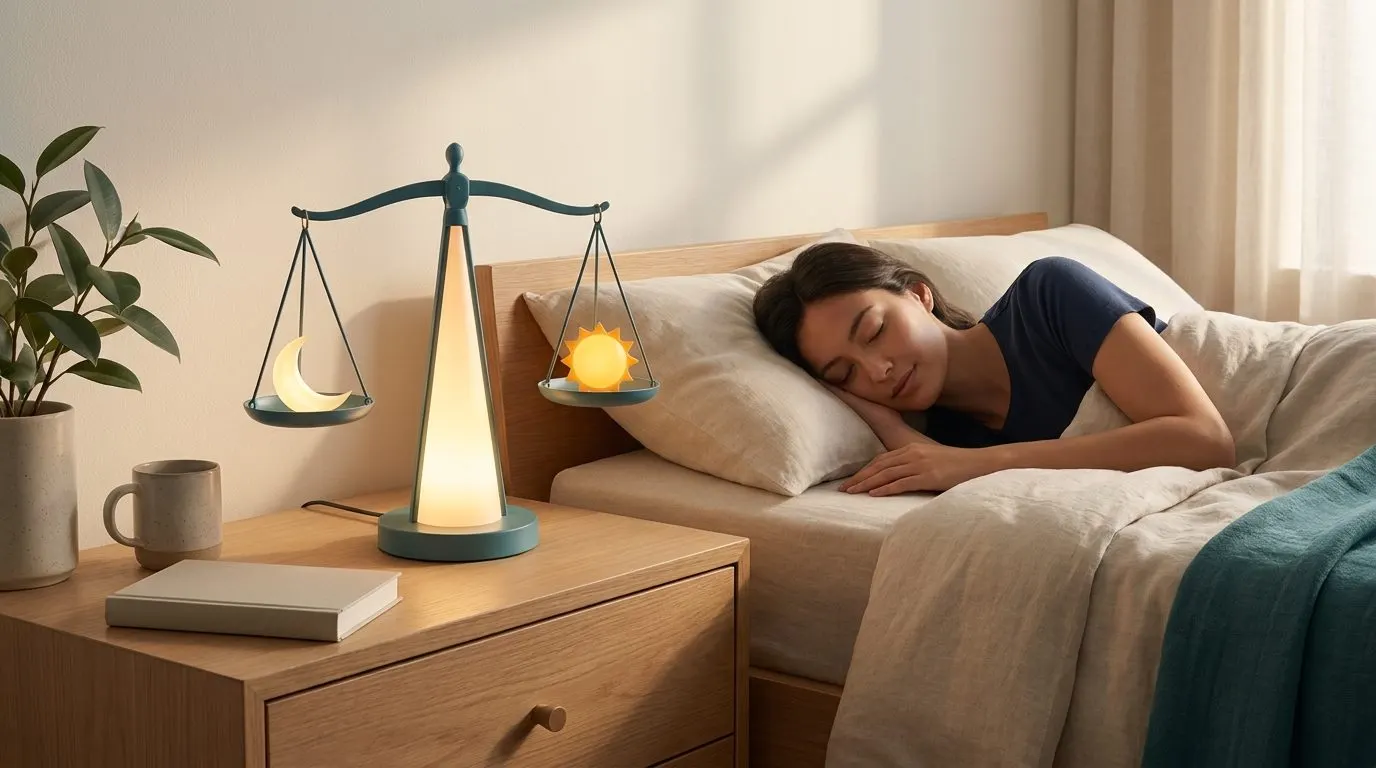
If you want to know how powerful sleep is, look at what it does to your hormones. Because the surprising part isn’t that poor sleep affects them — it’s how fast. We’re not talking years of bad habits. One rough week is enough to move the dials in a lab.
Let’s meet the cast.
The four that matter most
Cortisol is your stress and alertness hormone. In a healthy rhythm it’s high in the morning to get you going and low at night so you can wind down. Skimp on sleep and that rhythm flattens — cortisol stays stubbornly elevated when it should be dropping. The result is that wired-but-tired feeling, plus a body marinating in stress signals around the clock.
Growth hormone is your repair-and-rebuild hormone, and it’s released in big pulses during deep sleep. Cut your deep sleep short and you cut your repair short. This is the hormone fixing the muscle you trained, and it mostly clocks in while you’re unconscious. Miss the deep sleep, miss the repair.
Testosterone matters for muscle, mood, drive and recovery — in everyone, not just men. It’s largely topped up overnight. Short sleep drains it noticeably; even a single week of cutting sleep down to around five hours can measurably lower it. A week. That’s it.
Insulin sensitivity is how well your body handles carbs and blood sugar. Good sensitivity means your body parks sugar efficiently; poor sensitivity means it lingers in the blood. Just one week of short sleep can blunt this in otherwise healthy people, nudging them toward the metabolic territory nobody wants.
Free hormone therapy
Notice the theme. Bad sleep pushes the unhelpful hormone (cortisol) up and drags the helpful ones (growth hormone, testosterone, healthy insulin response) down. It’s the worst possible trade, and your body makes it automatically the moment you cut sleep short.
Here’s the empowering flip side. Everything above runs in reverse when you sleep well. Cortisol settles into its proper rhythm. Growth hormone pulses the way it’s meant to. Testosterone tops back up. Your body handles sugar better. You didn’t take anything, inject anything, or buy anything.
That’s why it’s fair to call good sleep free hormone therapy. No prescription, no side effects, no cost — just the most underrated lever you own, available every single night.
The catch, of course, is that “free” doesn’t mean “easy.” But knowing that a week of good nights can measurably reset your hormones is a far better motivator than any supplement bottle promising the same thing in vain.
The takeaway: cortisol, growth hormone, testosterone and insulin sensitivity all shift measurably within a single bad week — which means good sleep is the closest thing you have to free hormone therapy.
Hormones run your metabolism, so naturally that’s next: what poor sleep does to how you burn energy — and to the muscle you’re trying to keep.
BTZ Academy lessons are educational, not medical advice. Talk to your physician before changing medication, supplements, or training.