Iron: Your Oxygen Delivery Crew
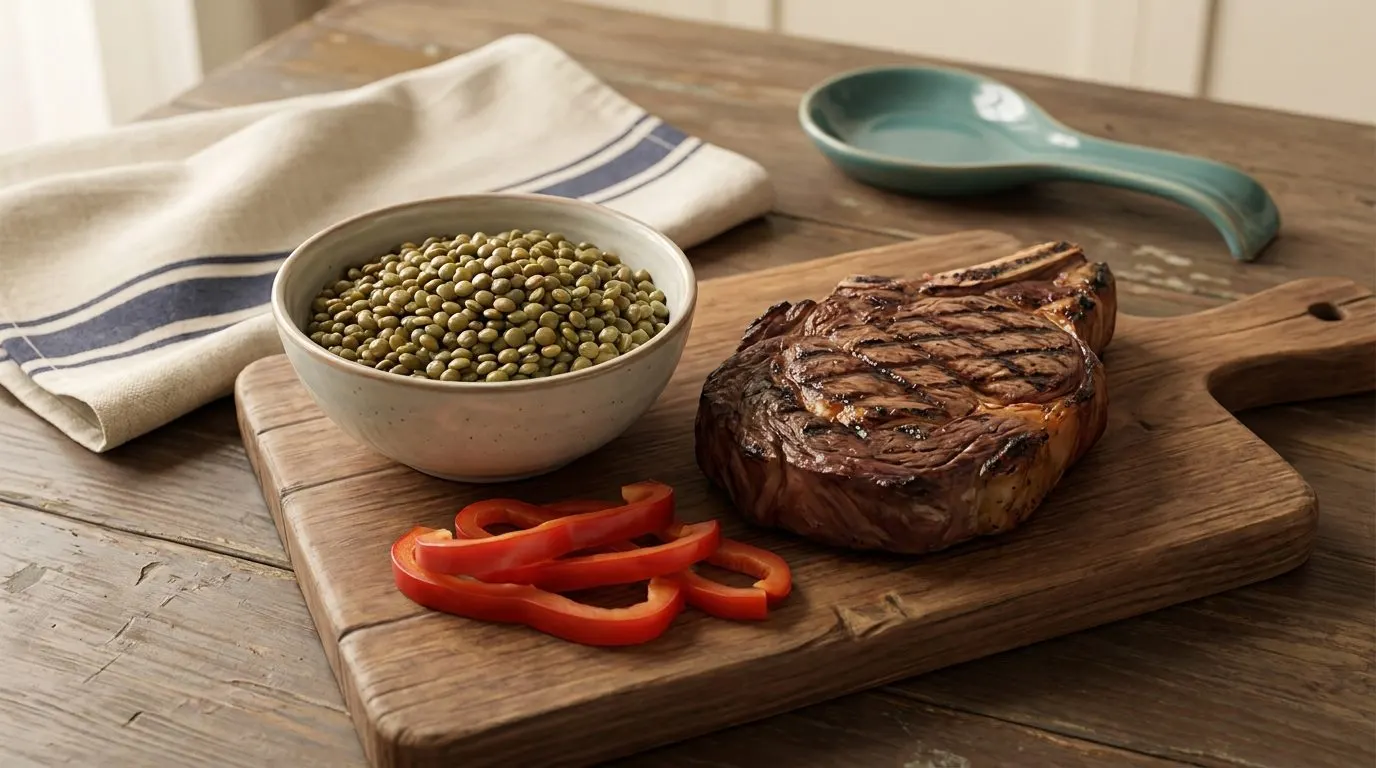
Every red blood cell you own is a tiny delivery truck, and iron is what loads the oxygen onto it. Run low on iron and the trucks show up half-empty. Your muscles, brain, and lungs all notice.
The symptoms are sneaky because they masquerade as normal life: constant tiredness, feeling winded on stairs you used to jog, brain fog, irritability, getting sick more often, and a heart that races during exercise that used to feel easy.
Who actually runs low
Two groups, mostly.
- Women who menstruate. Monthly blood loss means monthly iron loss. It’s the single most common reason for low iron.
- Endurance athletes. Running and hard training quietly chip away at iron — through sweat, tiny amounts of gut bleeding, and the pounding that breaks down red blood cells faster. Female endurance athletes get a double dose of risk.
Heme vs non-heme, and the vitamin C trick
Iron comes in two forms, and your body treats them very differently.
- Heme iron lives in meat, poultry, and fish. Your gut absorbs it easily — roughly twice as well as the other kind.
- Non-heme iron lives in beans, lentils, spinach, and fortified cereals. Healthy, but harder to absorb on its own.
Here’s the useful hack: vitamin C dramatically boosts non-heme absorption. Squeeze lemon on your lentils, add bell pepper to the bean bowl, have an orange with your fortified oats. A plant-based plate plus a little vitamin C punches well above its weight.
One thing that blocks absorption: coffee and tea with meals. Sip them between meals if iron is a concern.
The big rule: don’t supplement blind
This is the one mineral where guessing can hurt you. Too much iron isn’t harmless — your body can’t easily dump the excess, and it builds up. Some people even have a genetic condition that hoards it.
So if you suspect you’re low, get a blood test first. Ferritin and a full iron panel cost little and tell you the truth. Treat the actual number, not a vague feeling.
The takeaway: pair iron-rich food with vitamin C to absorb more — but never start iron pills on a hunch, get the labs first.
Next lesson: zinc — the mineral behind your immune system, healing, and yes, the reason oysters have a certain reputation.
BTZ Academy lessons are educational, not medical advice. Talk to your physician before changing medication, supplements, or training.