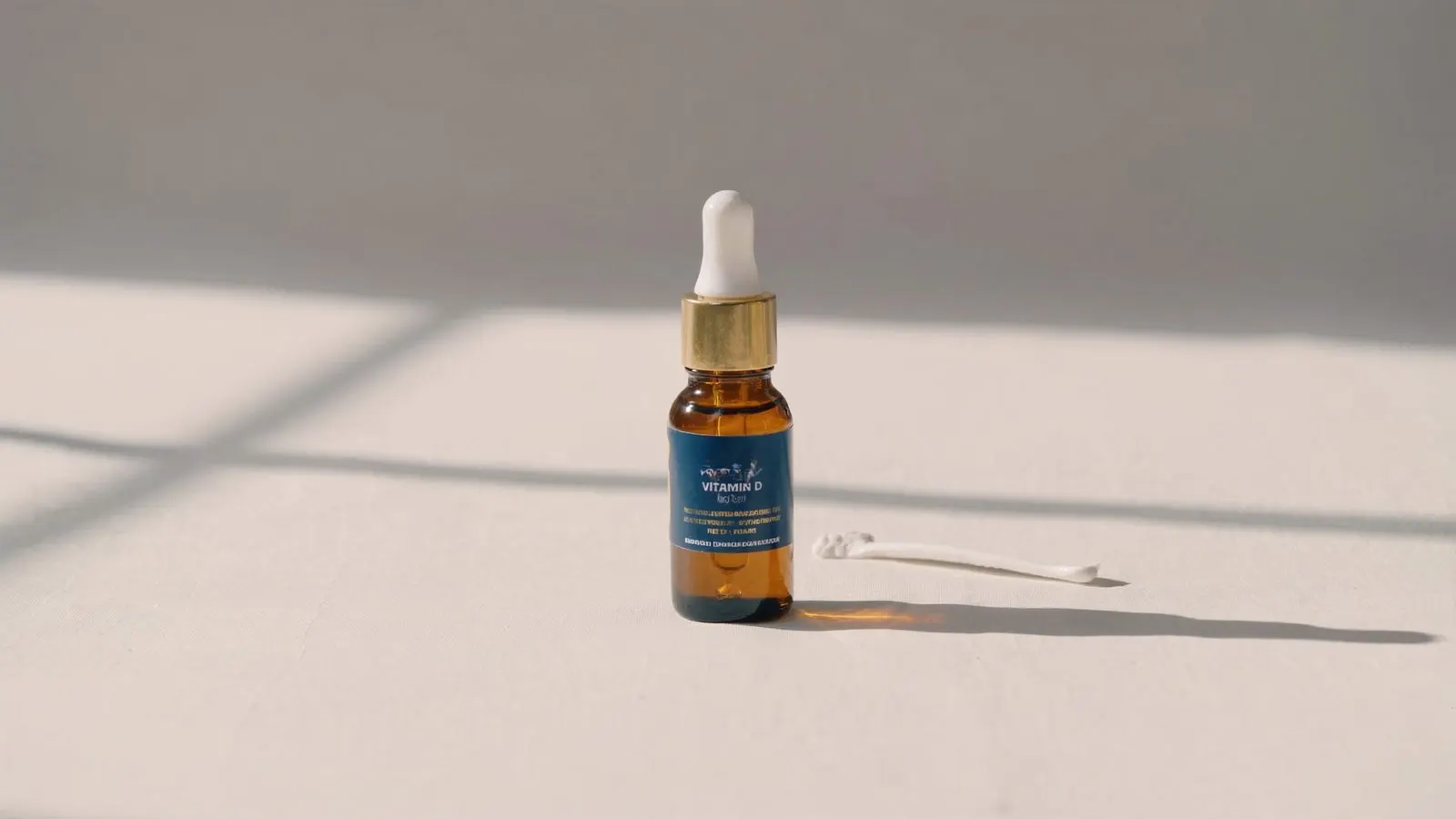
Vitamin D And Fish: Why GLP-1 Users Need Both
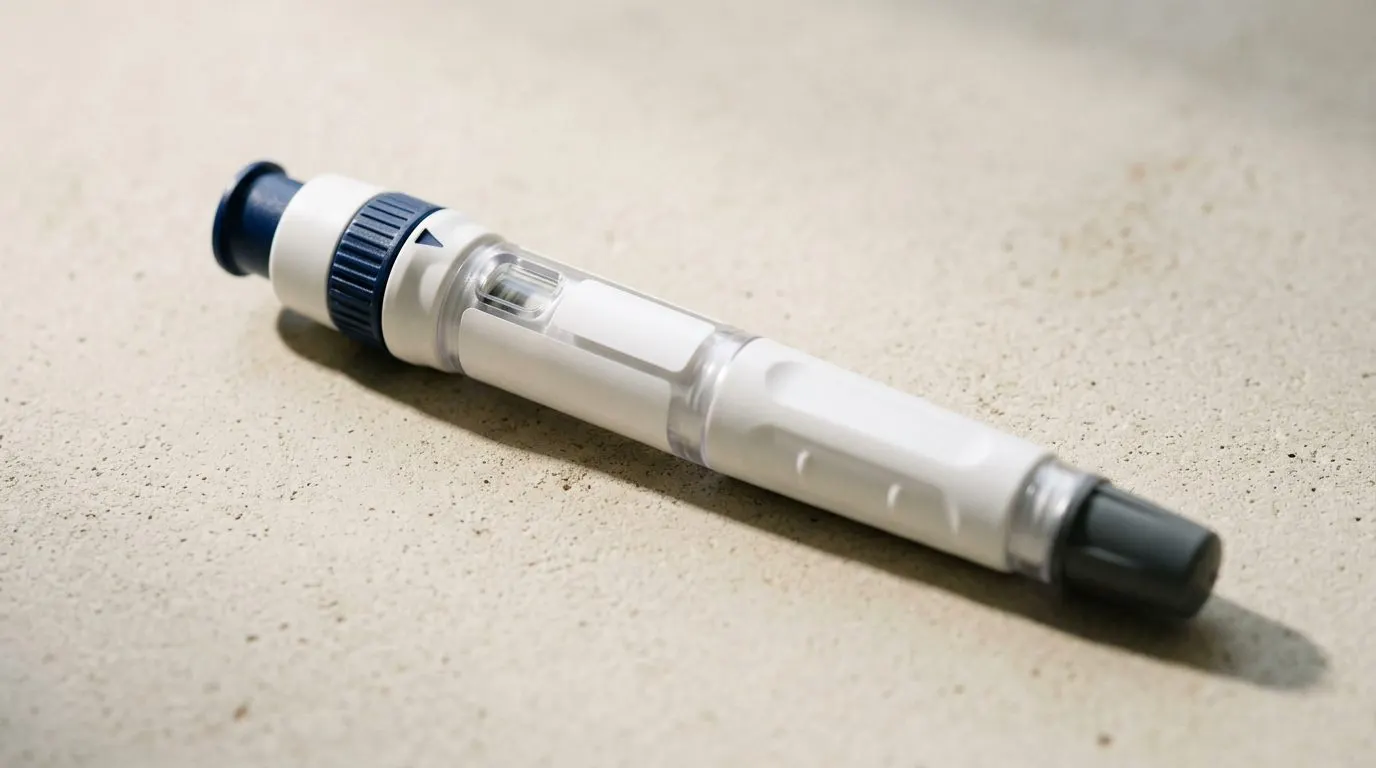
GLP-1 medications work by reducing how much you eat. That’s the whole point — and it’s the mechanism behind 15–20% body weight loss within 18 months in the clinical trials. What gets less attention is what happens to nutritional intake when total food volume drops by 30–40%.
If you were already marginal in any micronutrient, the deficit becomes a real deficiency on GLP-1. The two micronutrients I prioritize first for every GLP-1 client are vitamin D and omega-3 fatty acids — usually delivered through oily fish, supplements, or both.
Why vitamin D first
The full case is in Post 6.1. Compressed: Canadian latitude, winter, and adipose tissue sequestration all conspire to produce widespread deficiency. Add a 30% drop in food intake on a GLP-1 and the few sources of dietary vitamin D (fortified milk, salmon, eggs) get pushed out of the menu. Most clients I see on Ozempic or Wegovy or Mounjaro have a serum 25(OH)D somewhere between 35 and 55 nmol/L at intake — well below where I want them.
The fix: 2,000–4,000 IU/day of D3 with breakfast (which is when most clients still tolerate a bit of fat). Retest at 8 weeks. Adjust.
Why omega-3 second
Omega-3 fatty acids — specifically EPA and DHA — are the long-chain fatty acids the body uses to build anti-inflammatory cell signaling molecules (resolvins, protectins) and brain phospholipid membranes. The body can convert plant-source ALA (flaxseed, chia, walnuts) to EPA and DHA, but the conversion rate is poor — typically 5–10% for EPA and under 1% for DHA in adults.
The Canadian Adequate Intake recommendation is 1.3–1.6 g/day of combined EPA+DHA. The intake in the average Canadian adult is roughly half that.
For GLP-1 users specifically, two additional reasons to prioritize:
Inflammation modulation. A 2022 meta-analysis by AbuMweis et al. in Nutrients showed that omega-3 supplementation at 2 g/day for 12 weeks reduced systemic inflammatory markers (CRP, IL-6, TNF-α) in adults with metabolic syndrome. GLP-1 users frequently start with elevated inflammation — the same drivers behind their insulin resistance — and the omega-3 layered on top of the medication’s mechanism compounds the anti-inflammatory effect.
Figure reference: AbuMweis S et al. “Eicosapentaenoic acid and docosahexaenoic acid containing supplements modulate risk factors for cardiovascular disease: a meta-analysis of randomised placebo-control human clinical trials.” J Hum Nutr Diet. 2018;31(1):67-84. PMID: 28675488. See Forest plot of CRP reduction across included trials.
Muscle protein synthesis. Omega-3s appear to potentiate the muscle-building signal from protein. A 2011 trial by Smith et al. in Clinical Science showed that 4 g/day of EPA+DHA for 8 weeks increased muscle protein synthesis response to amino acids by ~50% in older adults. For GLP-1 users at risk of muscle loss, this matters.
The protocol
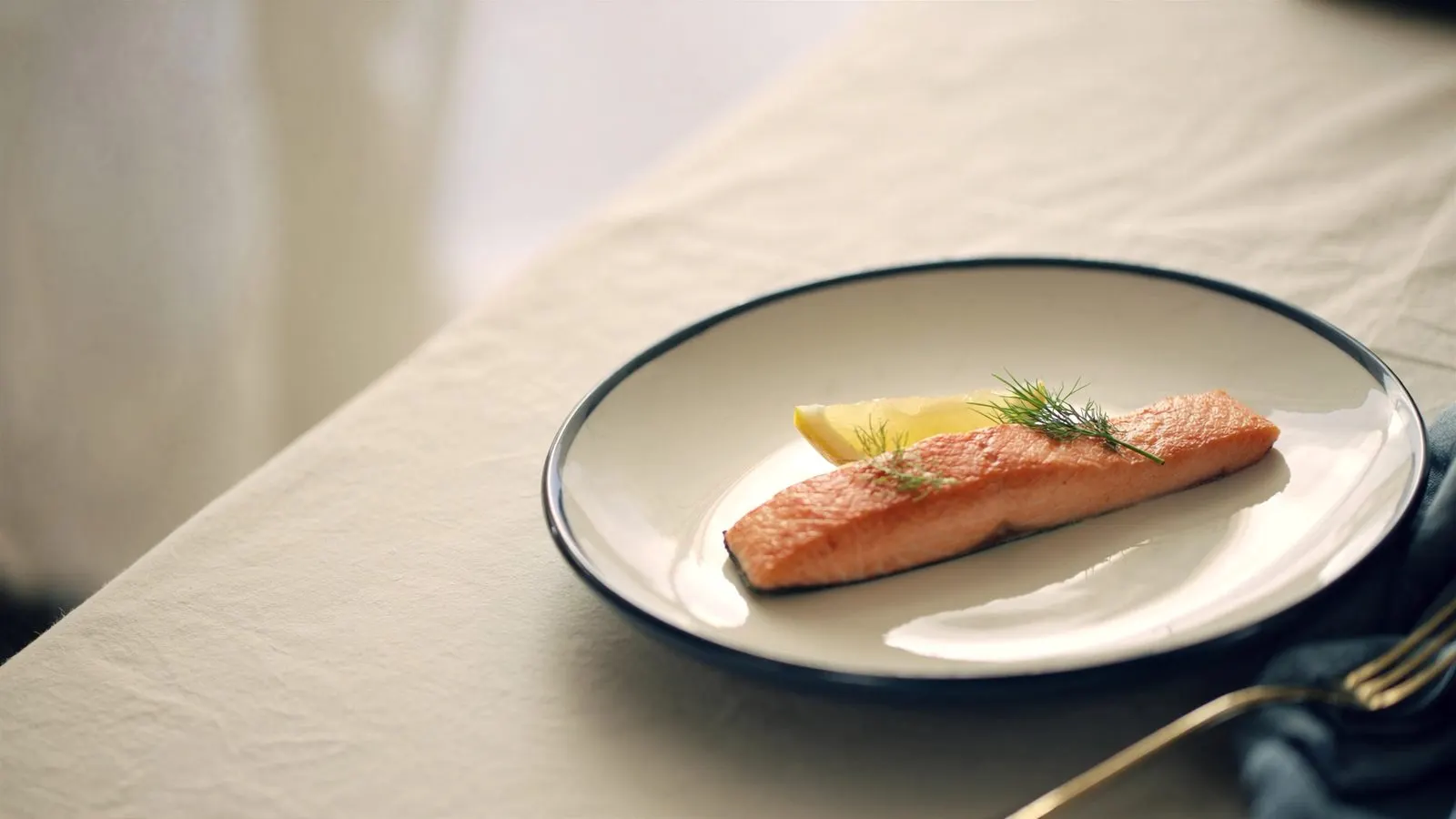
Option A — Whole food. Eat fatty fish 2–3× per week. Salmon, sardines, mackerel, herring, anchovies. A 100 g portion of salmon delivers 1.5–2 g of combined EPA+DHA. This is the cleanest path, and it provides additional protein, vitamin D, and selenium.
For GLP-1 clients whose appetite is suppressed, the trick is to make these fish portions count: small, dense, easy to chew. A 100 g salmon fillet with a few asparagus and a quarter cup of rice is a meal most GLP-1 clients can finish.
Option B — Supplementation. When fish intake is unreliable, supplement with 1–2 g/day of combined EPA+DHA. Quality matters. Look for:
- Third-party tested for heavy metals and oxidation (IFOS certified is the gold standard)
- Triglyceride or re-esterified triglyceride form (better absorption than ethyl ester)
- Stored cold, taken with a meal that contains some fat
A reasonable Canadian brand is NutraSea or Nordic Naturals. Cod liver oil is another option that delivers EPA+DHA plus vitamin A and D in one bottle (just watch the vitamin A — don’t double-dose).
Option C — Both. What I usually recommend for GLP-1 clients. Salmon 1–2× per week + 1 g/day supplement. Belt and suspenders.
What not to do
- Don’t take fish oil capsules that smell or taste rancid — they’re oxidized
- Don’t take very high doses (5+ g/day) without medical supervision — it can affect bleeding time
- Don’t substitute flaxseed oil and expect the same effect — the conversion to EPA/DHA is too poor
- Don’t take omega-6-heavy “fish oil blends” — look for high EPA+DHA specifically
This article is educational and is not medical advice. Diego Botezelli is a researcher and coach, not a physician — he does not diagnose, treat, or prescribe. Talk to your doctor before changing medication, supplements, or training, especially if you have a health condition or take prescription drugs.
On a GLP-1 and want to keep your muscle?
I coach GLP-1 clients alongside their prescribing clinician’s plan: protein targets, strength training and body-composition tracking, with the aim of losing fat while keeping the muscle you have.