Mounjaro vs Wegovy vs Ozempic: A Coach's Field Guide
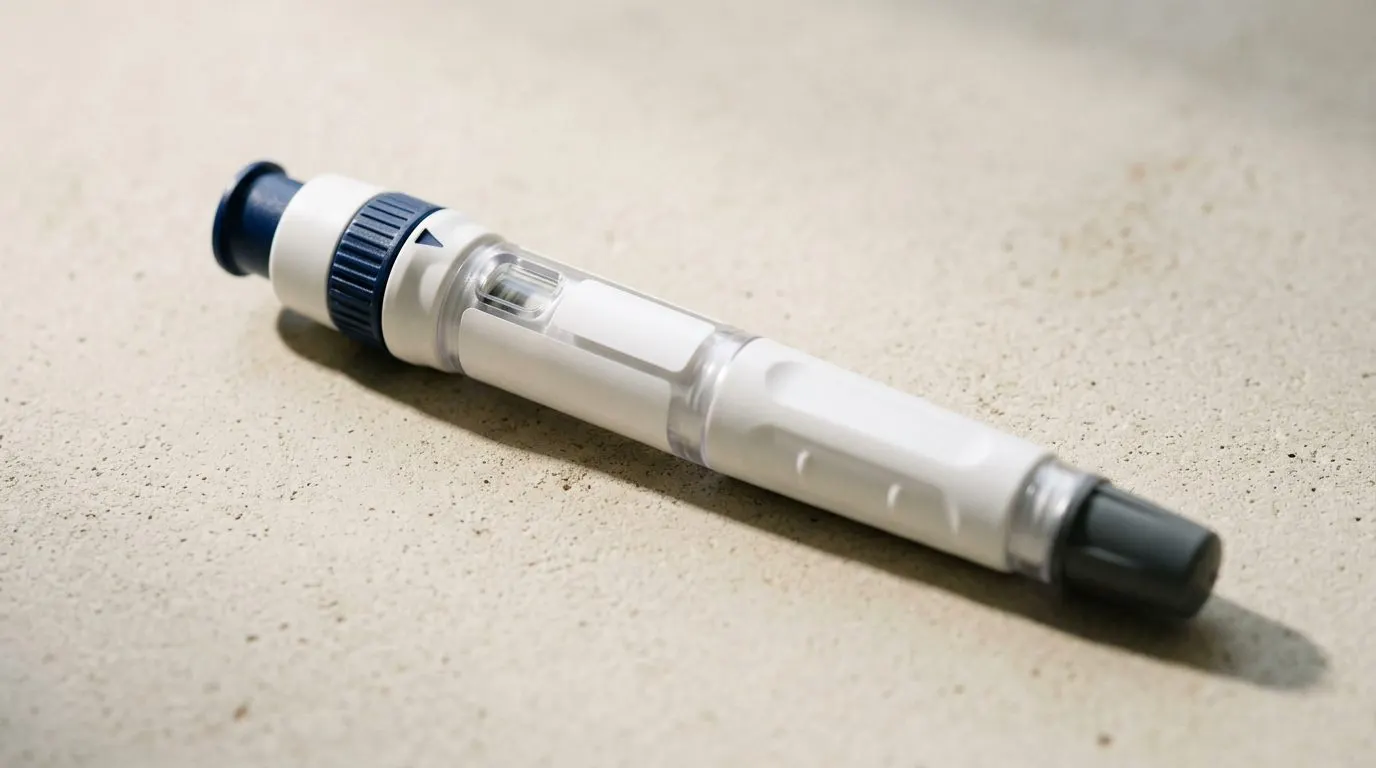
In the last 24 months, three medications have changed how weight loss happens. Most of my clients arriving at consultation are either on one, considering one, or have just come off one. They almost always ask the same question: which is best? The answer is more nuanced than the marketing.
What they actually are
Ozempic / Wegovy (semaglutide). Same molecule, different doses, different approved uses. Ozempic is approved for type 2 diabetes (lower doses, up to 1 mg or 2 mg weekly). Wegovy is approved for chronic weight management (higher doses, titrated up to 2.4 mg weekly). Both are GLP-1 receptor agonists — they mimic the body’s natural glucagon-like peptide-1, which slows gastric emptying and reduces appetite.
Mounjaro / Zepbound (tirzepatide). Same molecule, different approvals. Mounjaro for T2D, Zepbound for weight management. Tirzepatide is a dual GIP/GLP-1 agonist — it activates both glucose-dependent insulinotropic polypeptide and GLP-1 receptors. The dual mechanism produces stronger weight loss in head-to-head trials.
Saxenda (liraglutide). Older GLP-1 agonist, daily injection instead of weekly. Generally produces less weight loss than the others. Still useful for specific clinical pictures.
What the head-to-head data shows
The most-cited comparison is SURPASS-2, published in 2021 by Frías et al. in the New England Journal of Medicine. The trial directly compared tirzepatide (5, 10, 15 mg) to semaglutide (1 mg) in adults with type 2 diabetes over 40 weeks.
Results, mean weight loss:
- Tirzepatide 15 mg: -11.2 kg
- Tirzepatide 10 mg: -9.3 kg
- Tirzepatide 5 mg: -7.6 kg
- Semaglutide 1 mg: -5.7 kg
Figure reference: Frías JP et al. “Tirzepatide versus Semaglutide Once Weekly in Patients with Type 2 Diabetes.” N Engl J Med. 2021;385(6):503-515. PMID: 34170647. See Figure 2: change in body weight by treatment group.
Tirzepatide outperformed semaglutide at every dose. The downside: tirzepatide’s GI side effects (nausea, vomiting, diarrhea) were also slightly more frequent and intense.
For pure weight loss, the SURMOUNT-1 trial of tirzepatide (Jastreboff et al., 2022, NEJM) showed mean weight loss of 22.5% at the highest dose over 72 weeks in adults with obesity but without T2D. The STEP 1 trial of semaglutide (Wilding et al., 2021, NEJM, PMID: 33567185) showed 14.9% over 68 weeks. Semaglutide is excellent; tirzepatide is currently the strongest available.
Side effects — the practical part
The side effect profile is similar across all three drugs but differs in intensity and tolerability.
Nausea. The most common side effect. Usually peaks in the first 4–8 weeks of each dose-escalation step, then dampens. Mitigation: smaller, more frequent meals; avoid fatty/spicy food during the first week of each new dose; cold meals (smoothies, yogurt) often go down easier than hot ones.
Constipation. Slowed gastric emptying slows everything downstream. Mitigation: aggressive fibre intake (25–35 g/day, but introduce gradually), 3 L of water/day, magnesium glycinate 200–400 mg at bedtime.
Vomiting. Less common but more common with tirzepatide than semaglutide. If persistent, talk to the prescribing physician about dose adjustment.
Pancreatitis (rare but serious). Signs: severe upper abdominal pain that radiates to the back, with or without vomiting. Stop the drug and seek immediate medical attention.
Gallbladder issues. Slightly elevated risk of gallstones, particularly with rapid weight loss. Watch for right upper quadrant pain.
Loss of muscle mass. Not a “side effect” in the traditional sense, but a metabolic consequence of caloric restriction without adequate protein and strength training. See Post 6.4 and the GLP-1 muscle loss article in the blog.
Loss of bone density. Less discussed. Rapid weight loss in older adults is associated with bone mineral density loss. Strength training and adequate calcium + vitamin D mitigate this.
Why lifting is non-negotiable on any of these
The clinical trials measured weight loss. They did not consistently measure body composition. Subsequent DXA substudies show that 25–40% of the weight lost on GLP-1 medications, without intervention, is lean tissue — not fat. That’s a huge chunk of your metabolic furniture going out the window.
Resistance training reduces that proportion dramatically. A 2024 study by Lundgren et al. in NEJM showed that combining exercise (including resistance training) with liraglutide preserved fat-free mass during weight loss and improved physical function. The exercise + drug combination beat the drug alone on body composition outcomes, even when scale weight loss was similar.
Figure reference: Lundgren JR et al. “Healthy Weight Loss Maintenance with Exercise, Liraglutide, or Both Combined.” N Engl J Med. 2021;384(18):1719-1730. PMID: 33951361. See Figure 2: change in lean and fat mass between treatment groups.
The protocol I run with every GLP-1 client: 3 strength sessions per week, full-body, compound lifts. 1.6–2.0 g/kg protein. Plus the cardio you can fit around it. This is what turns a GLP-1 course from “weight loss now, regain later” into “fat loss now, body composition kept.”
Choosing between them
Mostly not your decision — it’s between you and your prescribing physician based on:
- Insurance coverage / out-of-pocket cost
- Pre-existing conditions (e.g., pancreatitis history rules out all of them)
- Tolerance of side effects in the first 8 weeks
- Diabetes vs weight-management indication
But once you’re on one, the coaching protocol is the same: protein, lifting, vitamin D, omega-3, fibre, hydration, sleep, and a maintenance plan for after the drug ends.
This article is educational and is not medical advice. Diego Botezelli is a researcher and coach, not a physician — he does not diagnose, treat, or prescribe. Talk to your doctor before changing medication, supplements, or training, especially if you have a health condition or take prescription drugs.
On a GLP-1 and want to keep your muscle?
I coach GLP-1 clients alongside their prescribing clinician’s plan: protein targets, strength training and body-composition tracking, with the aim of losing fat while keeping the muscle you have.