Why Protein-Only On GLP-1 Backfires (And Why You Need Carbs Most People Avoid)
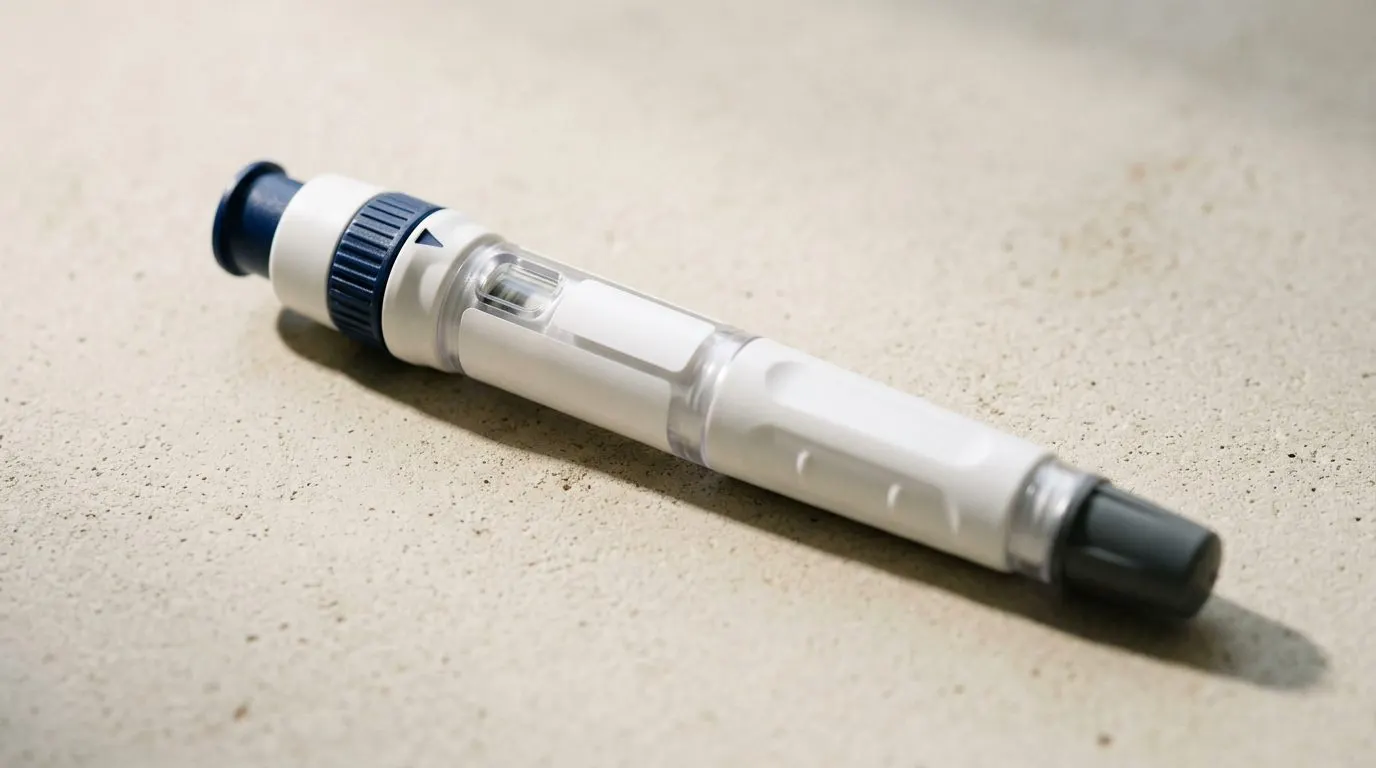
The internet’s GLP-1 advice is roughly: “eat protein, hit the gym, drink water.” It’s not wrong. It’s just incomplete in a way that produces a specific failure mode I see in roughly half of GLP-1 clients arriving at consultation.
Here’s how the failure looks. The client is on Ozempic or Mounjaro. Appetite is suppressed by the drug. They’ve internalized that protein is critical, so they front-load every meal with chicken, eggs, Greek yogurt, whey isolate. Protein is also satiating — it suppresses appetite further. By dinner, they’ve maybe eaten 1,200 calories. They feel fine. They’re losing weight. The scale moves.
Then 8 weeks in, the muscle loss shows up. Strength drops. Energy crashes. The mirror shows softer, weaker. Often the cycle ends with them stopping the drug and rebounding hard.
The mechanism: caloric deficit too aggressive + insufficient carbs to support training + insufficient total food = muscle catabolized despite hitting the protein target.
The math
A typical adult on a GLP-1 needs roughly:
- Maintenance calories: 2,000–2,400 (depending on body size and activity)
- Fat-loss deficit: 400–500 kcal below maintenance
- Target: 1,500–2,000 kcal/day
What I see in client food logs at week 4–8:
- Reported intake: 800–1,200 kcal/day
- Actual deficit: 1,000–1,400 kcal/day
- Way too aggressive for sustained muscle preservation
The body responds to a deficit of that magnitude the same way it responds to famine: it catabolizes muscle to spare fat for the metabolically-active brain. Even with the protein target hit, even with the training in place, the energy floor is too low to keep the muscle.
Why protein alone makes it worse
Protein is the most satiating macronutrient. The hormone responses (PYY, CCK, GLP-1 — yes, your endogenous one as well) all promote fullness more from protein than from carbs or fat. Layered on top of pharmaceutical GLP-1, the suppression compounds.
The result: clients who load protein heavily on GLP-1 frequently can’t get any other food in. They feel full after 25 g of protein and stop eating. That 25 g is 100 kcal. They needed another 400–500 kcal in that meal.
Why advanced carbs solve this
For non-GLP-1 clients in a fat-loss phase, I generally recommend fibre-rich, slow-digesting carbs: oats, sweet potato, quinoa, beans, rice with vegetables. These are excellent for normal-appetite clients because they’re filling, blood-sugar-friendly, and nutrient-dense.
For GLP-1 clients with suppressed appetite, those carbs are too volumetric. You can’t eat enough to hit the calorie target. The solution: calorie-dense, low-volume carbohydrate sources I call “advanced carbs” — foods I’d usually steer non-GLP-1 clients away from but that fit beautifully for GLP-1 contexts:
Tapioca / cassava-based foods. Pão de queijo (Brazilian cheese bread), tapioca pearls in milk, cassava flour pancakes. Calorie-dense per bite, low volume, easy on a suppressed stomach.
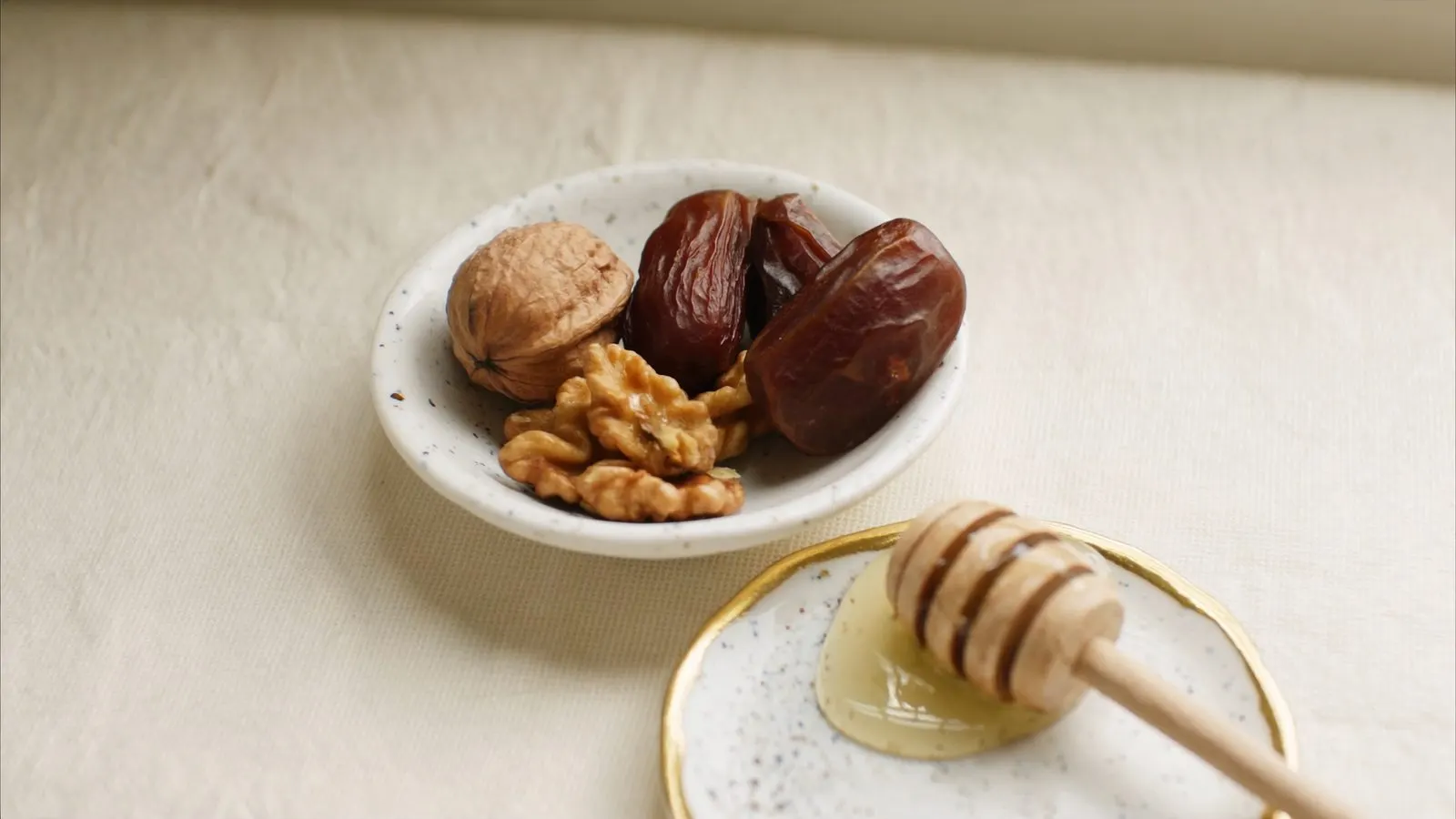
Honey, maple syrup, agave. A tablespoon is 60 kcal. Stir into yogurt, drizzle on oatmeal, add to coffee. Adds energy without adding volume.
Dried fruit. Dates, raisins, dried apricots, prunes. 1/4 cup of dried dates is 100+ kcal. Easy to eat. Add to Greek yogurt or trail mix. Bonus: dates have meaningful potassium and magnesium.
Nut butters. Peanut, almond, cashew. 2 tablespoons is 190 kcal. Spread on toast, stir into oatmeal, add to a protein shake. High calorie-density.
Granola (the real kind, not the marketing kind). A small handful — 30 g — is 140 kcal. Add to yogurt or a smoothie.
White rice cooked in chicken broth or a small amount of butter. Calorie-density goes up. Volume stays manageable.
The PCOS overlap
The same principles apply to clients with PCOS, even without GLP-1. PCOS frequently presents with insulin resistance, irregular cycles, and difficulty losing weight despite caloric restriction. Two things change the protocol for PCOS clients:
Insulin sensitivity matters more. Lower glycemic load carbs (oats, sweet potato, beans, quinoa) work better than rice and bread. The advanced carbs above (tapioca, honey, dried fruit) are useful in small amounts strategically — pre-workout, post-workout — rather than as daily staples.
Strength training is non-negotiable. PCOS-related insulin resistance responds particularly well to resistance training (Kogure et al., 2016, J Clin Endocrinol Metab). The Lean & Strong protocol layered with a Weight Well nutrition framework is what produces the best results in this population.
Figure reference: Kogure GS et al. “Resistance Exercise Impacts Lean Muscle Mass in Women With Polycystic Ovary Syndrome.” Med Sci Sports Exerc. 2016;48(4):589-598. PMID: 26587847. See Figure 2: lean mass and body composition changes in resistance trained vs control PCOS women.
The practical week
For a GLP-1 client targeting 1,800 kcal/day, here’s a workable food architecture:
Breakfast (400 kcal): Greek yogurt 1 cup + 1 tbsp honey + 1/4 cup granola + 1 tbsp almond butter — 380 kcal, 25 g protein
Mid-morning (200 kcal): Whey isolate shake + 1/4 cup dried dates — 200 kcal, 22 g protein
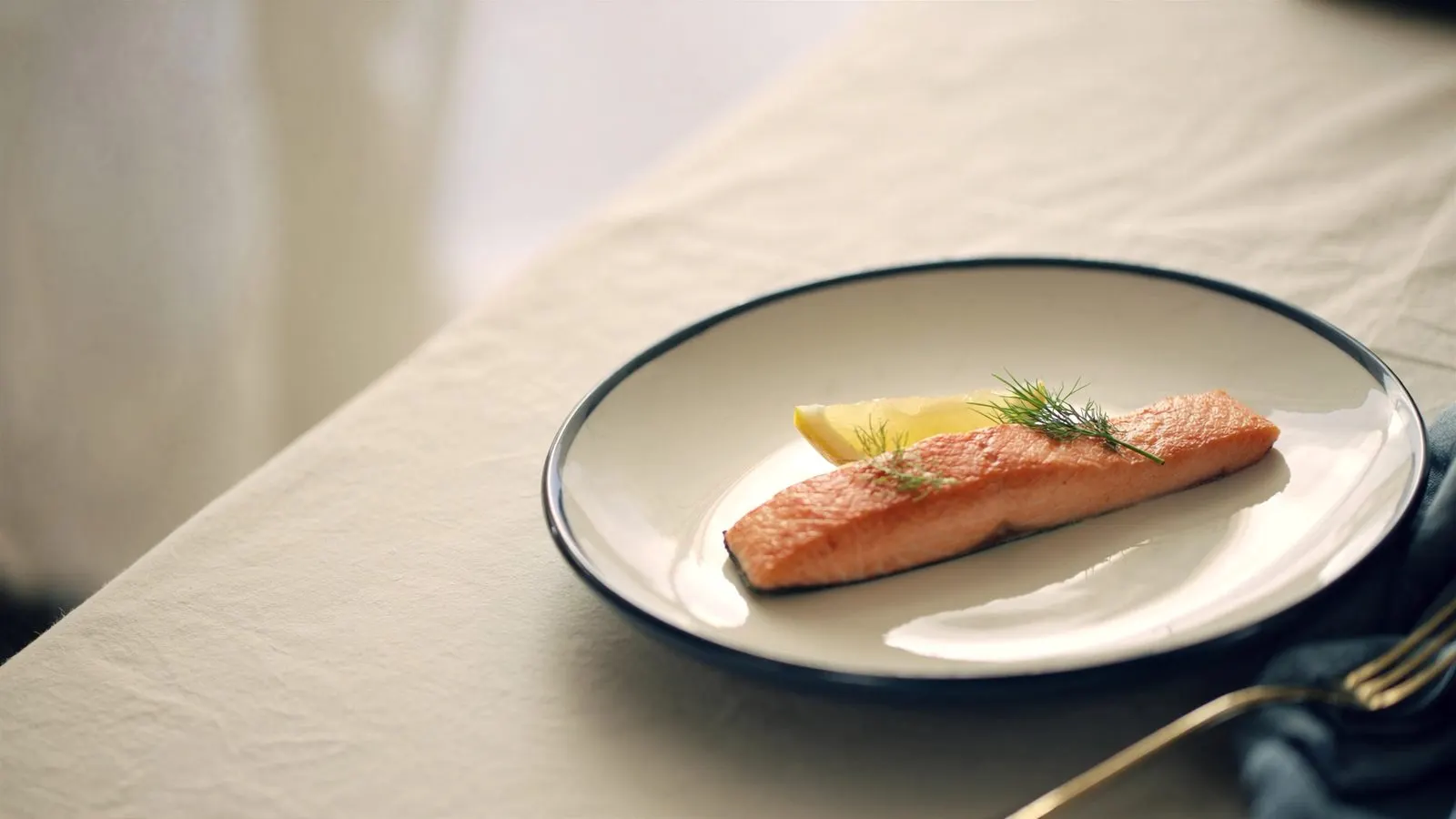
Lunch (500 kcal): 4 oz salmon + 1 cup white rice (with butter) + green vegetables — 500 kcal, 30 g protein
Afternoon (200 kcal): 1 tbsp peanut butter on a banana — 200 kcal, 5 g protein
Dinner (500 kcal): 5 oz chicken + half a sweet potato + roasted vegetables + 1 tbsp olive oil — 500 kcal, 35 g protein
Total: 1,780 kcal, 117 g protein (1.5 g/kg for a 75 kg adult). Within target. Volume is manageable for a suppressed appetite. Nutrient density is high.
This is the kind of menu architecture I build with GLP-1 clients in the BTZ Weight Well or Elite tracks. The drug does the appetite work. Our job is to make sure that with the suppressed appetite, the food that does fit is actually building the body the client wants.
This article is educational and is not medical advice. Diego Botezelli is a researcher and coach, not a physician — he does not diagnose, treat, or prescribe. Talk to your doctor before changing medication, supplements, or training, especially if you have a health condition or take prescription drugs.
On a GLP-1 and want to keep your muscle?
I coach GLP-1 clients alongside their prescribing clinician’s plan: protein targets, strength training and body-composition tracking, with the aim of losing fat while keeping the muscle you have.